The Victory of Seven Thousand#
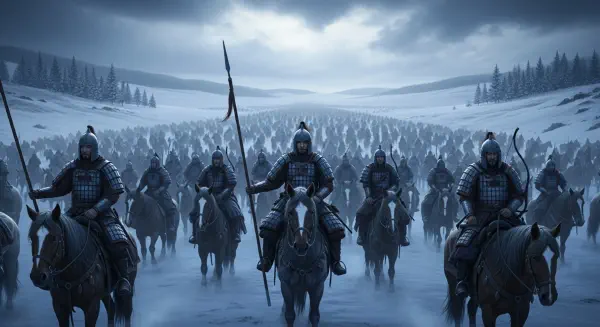
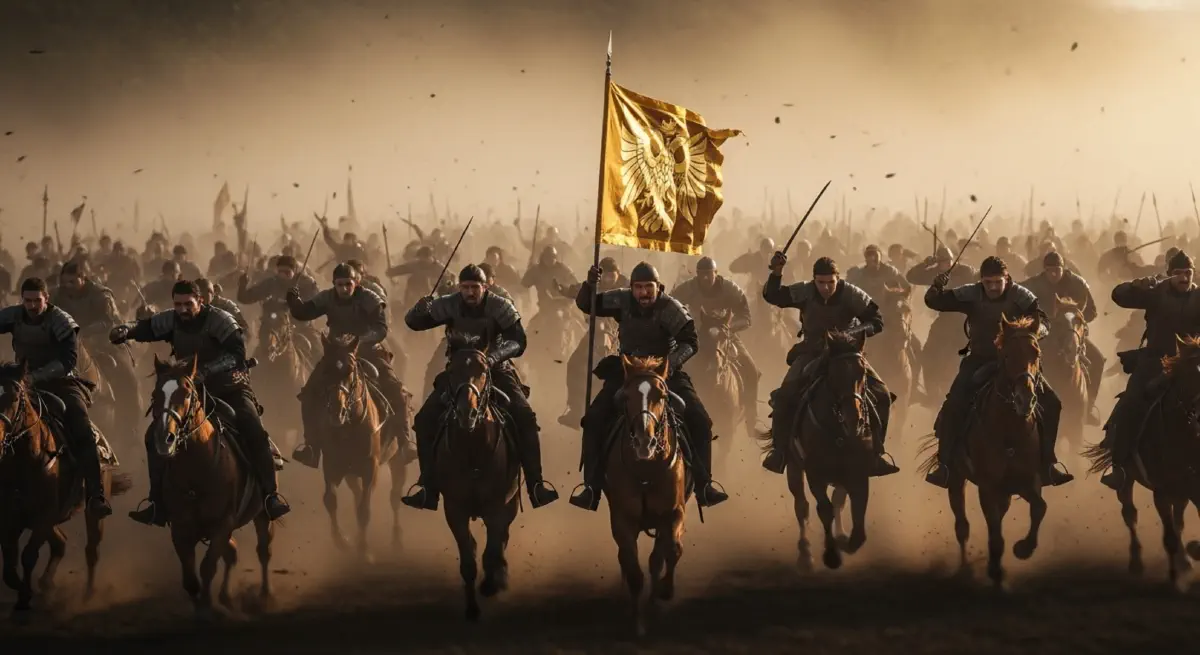
In 528, the rebel Ge Rong held the northern provinces with a massive army of Xianbei soldiers from the six garrisons. He had besieged the strategic city of Yecheng and was threatening to cross the Yellow River. Erzhu Rong faced this overwhelming force with only 7,000 elite cavalry soldiers. Through a series of rapid, surprise maneuvers, Erzhu’s small force crushed the rebel army, capturing Ge Rong and delivering him to Luoyang for execution. This battle confirmed Erzhu Rong’s status as the peerless tactician of his age.
The Thesis of Tactical Supremacy#
The military successes of Erzhu Rong were rooted in his ability to maintain strict discipline and leverage superior mobility. Unlike the disorganized rebel forces, Erzhu’s private army was a professional machine funded by his family’s immense wealth in livestock. His undefeated record was not a matter of luck but a result of his “resolute and ambitious” leadership and expertise in cavalry warfare. This martial excellence allowed him to basically reunify an empire that had been fractured into dozens of rebel states.
The Mechanism of Professional Warfare#
The Strategy of Surprise and Night Attacks#
Erzhu Rong’s tactical style favored high-stakes maneuvers that exploited enemy psychological weaknesses. During the campaign against Yuan Hao in 529, Erzhu’s forces were initially stymied by the general Chen Qingzhi. He broke the stalemate by launching a daring night attack across the Yellow River, causing Yuan Hao’s forces to collapse instantly. This reliance on surprise allowed him to defeat armies that significantly outnumbered his own. His subordinates, such as Heba Yue and Erzhu Tianguang, utilized similar tactics of misdirection to capture rebel leaders like Moqi Chounu.
The Discipline of the Xiurong Warriors#
The core of Erzhu Rong’s power was his personal command over the Qihu tribe and his recruited “brave warriors”. He was noted for being “particularly strict in military discipline,” a trait that set him apart from the violent but disorganized rebels like Ge Rong. His control over the “private sources of supply for animals and fodder” ensured his cavalry was always better mounted than his opponents. This logistical advantage made his 7,000 cavalrymen more effective than tens of thousands of infantry. His subordinate generals remained loyal because they respected his peerless military skills.
The Cascade of Imperial Reunification#
By 530, the campaigns led by Erzhu Rong and his relatives had largely pacified the empire. His nephew Erzhu Tianguang crushed the western rebels, while other generals killed Han Lou in the northeast. Historians noted that without Erzhu Rong’s efforts, the Northern Wei would have splintered into many small kingdoms much earlier. He had successfully “eliminated these disasters” and allowed the imperial ancestors to be worshipped once more. However, this reunification was merely a mask for his growing desire to formalize his usurpation of the throne.
Synthesis of Martial Restoration#
The military genius of Erzhu Rong provided the Northern Wei with a final, brief moment of territorial integrity. By professionalizing the army and utilizing concentrated cavalry strikes, he achieved what the imperial court could not for decades. Yet, his military brilliance could not compensate for his political “lack of tact”. The very victories that unified the empire also convinced Emperor Xiaozhuang that the general was an existential threat. The undefeated general had conquered every rebel in the field, but he was about to face a trap in the one place his cavalry could not save him: the imperial palace.