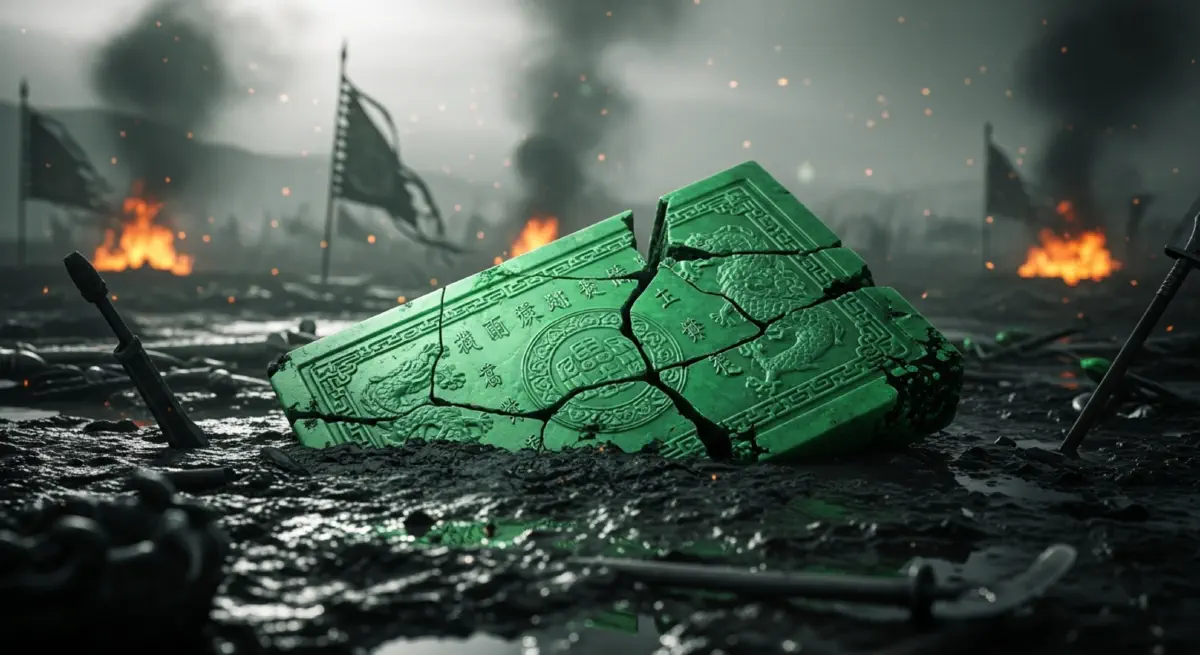
The Fractured Jade: The Collapse of Northern Wei
Key Insights Across the Series#
The 519 Civil Service Riots were the Dynastic Turning Point: The unrest that eventually destroyed the Northern Wei began in Luoyang when the government proposed barring soldiers from becoming civilian officials. The resulting riot, in which soldiers killed officials and burned mansions, forced the Empress Dowager to execute leaders while pardoning the masses, signaling a permanent break in institutional discipline.
The End of Actual Royal Power occurred in 528: When the 18-year-old Emperor Xiaoming attempted to curb the power of his mother, Empress Dowager Hu, he was poisoned by her. This act of regicide effectively ended the Northern Wei royal lineage’s ability to govern independently; from that point forward, emperors became mere puppets for military strongmen.
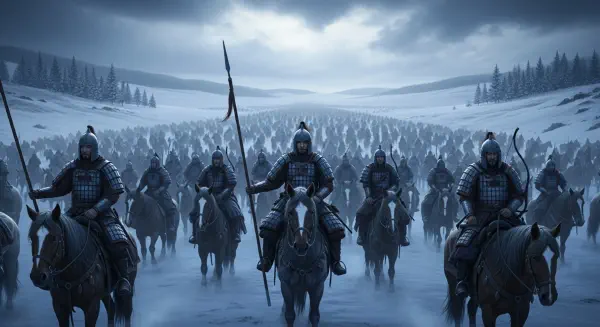
Administrative Rigidity fueled the Frontier Rebellions: In 523, the regent Yuan Cha refused a proposal to convert northern military garrisons into provinces, which would have granted ethnic Xianbei soldiers civilian rights. This refusal directly triggered the “six garrison” rebellions, transforming the empire’s highly trained defenders into a lethal insurgent force that the state could not quell.
The Heyin Massacre Decapitated the State Bureaucracy: In 528, the general Erzhu Rong consolidated power by slaughtering more than 2,000 imperial officials under the pretense of a religious sacrifice. This massacre was intended to prevent civilian resistance, but it created an environment of permanent terror and lack of trust between the sovereign and the military command.
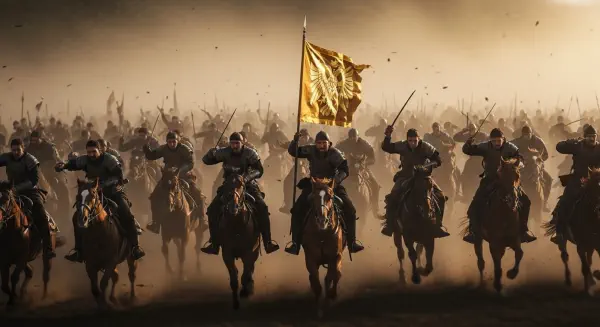
Military Genius was insufficient for Political Stability: Despite being a peerless tactician who never lost a battle, Erzhu Rong’s “treachery and cruelty” rendered his regime unsustainable. His overconfidence and lack of political tact led to his assassination in 530, which triggered a “lethal series of moves and countermoves” that ultimately split the empire into the rival Western and Eastern Wei polities.
References#
- Book of Wei (Wei Shu), Volume 9, 10, 74, 75.
- History of Northern Dynasties (Bei Shi), Volume 5.
- Wikipedia. (2024). Emperor Xiaoming of Northern Wei.
- Wikipedia. (2024). Emperor Xiaozhuang of Northern Wei.
- Wikipedia. (2024). Erzhu Rong.
- Wikipedia. (2024). Erzhu Zhao.
- Graff, D. A. (2002). Medieval Chinese Warfare 300-900. Routledge.
- Lee, L. X. H., Stefanowska, A. D., & Wiles, S. (2007). Biographical Dictionary of Chinese Women: Antiquity through Sui. M.E. Sharpe.