Key Insights
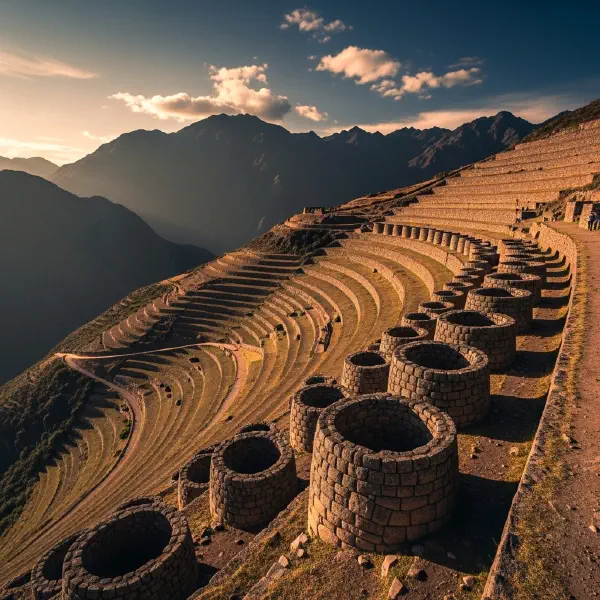
#- Agricultural innovation drove social complexity and empire formation
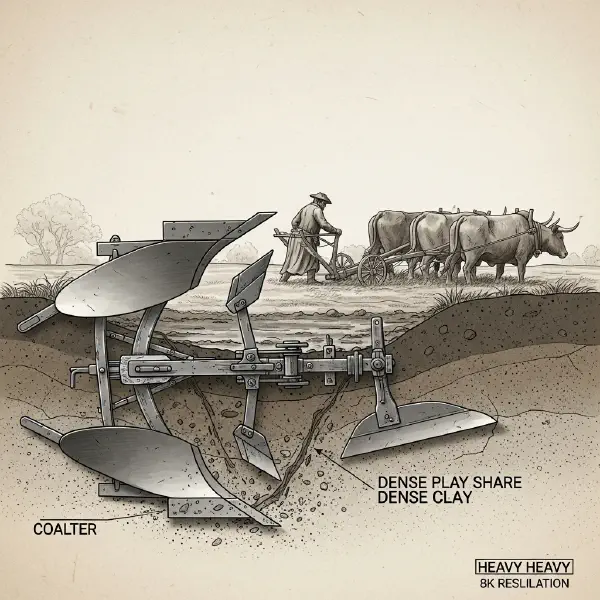
- Soil management techniques enabled sustainable intensification
- Standardization created trust and enabled large-scale trade
- State-managed food reserves provided political stability
- Technology and administration worked together to build civilizations
References
#Cote, A. (2024). Supply chain infrastructure in the Inca Empire. Ulysses | Andrew Cote | Substack.
Cressey, G. B. (1958). Qanats, Karez, and Foggaras. Geographical Review, 48(1), 27–44.
Esmaeili, G., Habibi, A., & Esmaeili, H. R. (2022). Qanat system, an ancient water management system in Iran: History, architectural design and fish diversity. International Journal of Aquatic Biology, 10(2), 131–144.
The Hall Beyond. (n.d.). 20 forgotten inventions that built Europe before the Renaissance [Video transcript excerpts].
Peru Premium Travel Company. (2025). The Incan road system: Engineering marvel of the Andes.
Supreme Court. (2014). 2014 year-end report on the Federal Judiciary.
The Persian aqueducts: How the Qanat system revolutionised agriculture and cities. (2025).
Tambo (Inca structure). (n.d.). In Wikipedia. Retrieved December 12, 2025, from World History Encyclopedia. (2014). The Inca road system.