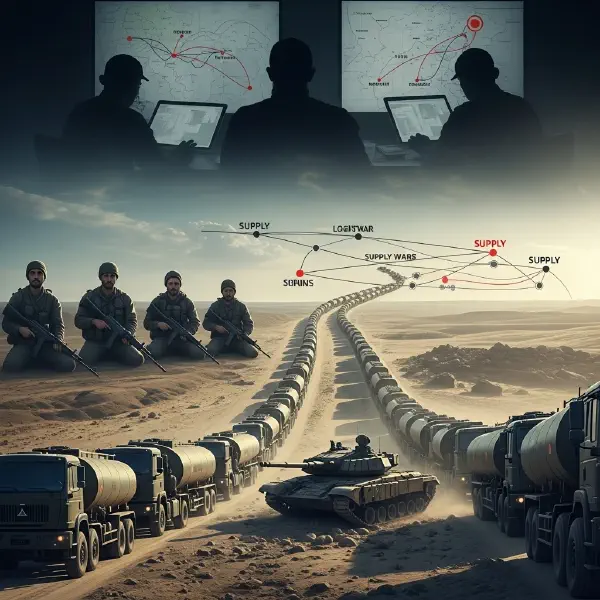
From Napoleon's frozen soldiers to today's semiconductor dependencies, the same logistics failures recur across centuries. This final post synthesizes the lessons and asks what must change before the next conflict tests an unprepared system.
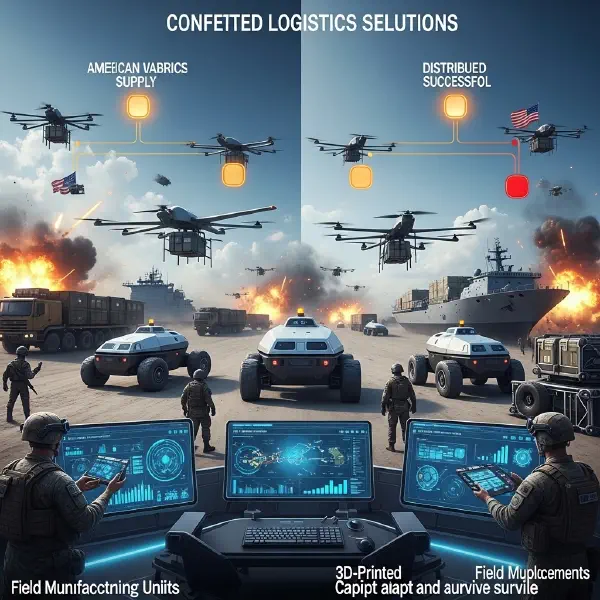
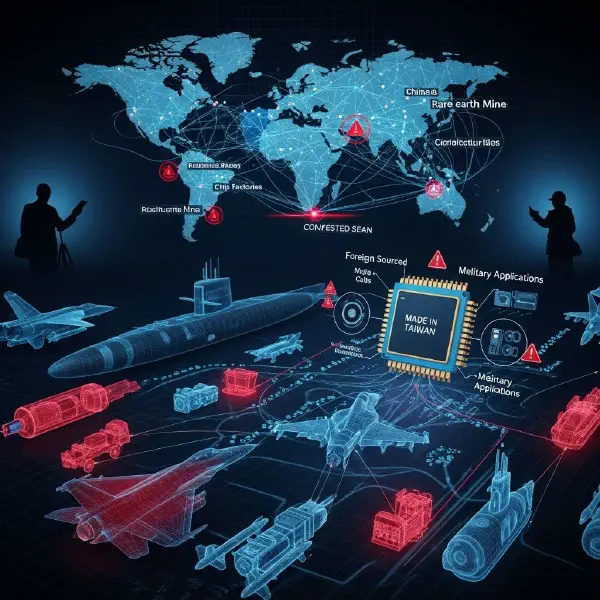
The defense industrial base isn't just weakened by consolidation—it's under active attack. Cyber intrusions, intellectual property theft, and strategic supply chain manipulation constitute an invisible war that adversaries are already winning.
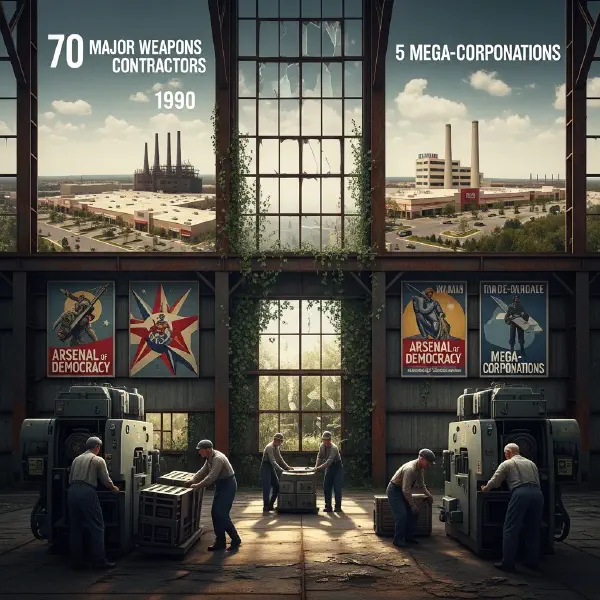
In 1993, the Pentagon told defense contractors to consolidate or die. The resulting 'Last Supper' reduced 51 prime contractors to 5 and eliminated thousands of specialized suppliers. The result: an industrial base optimized for efficiency that can't support high-intensity conflict.
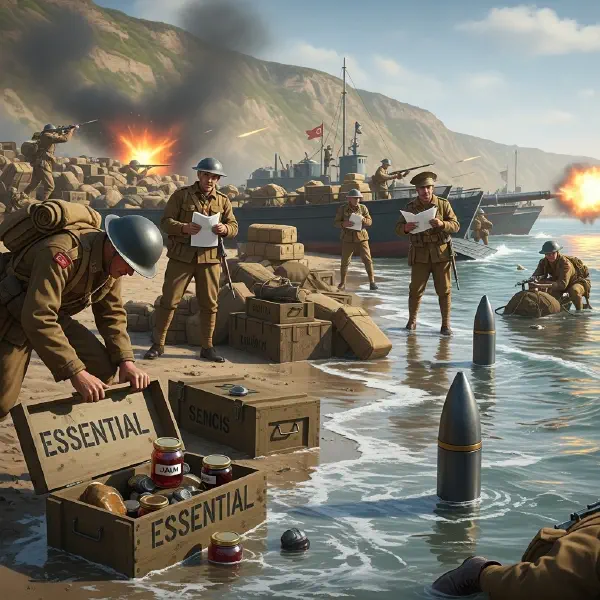
The Gallipoli campaign of 1915-16 is remembered as a strategic failure. But before a single soldier landed, the campaign was doomed by logistics chaos—supplies loaded in wrong order, crates mislabeled, critical equipment arriving months after the troops who needed it.
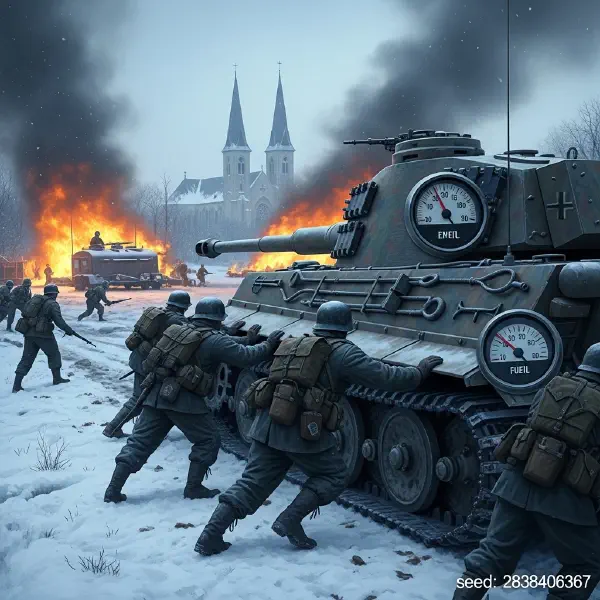
Germany's final offensive in the West was predicated on a single logistics assumption: capturing American fuel depots at Stavelot, Spa, and Antwerp. When the fuel didn't fall, the offensive died—literally running out of gas.
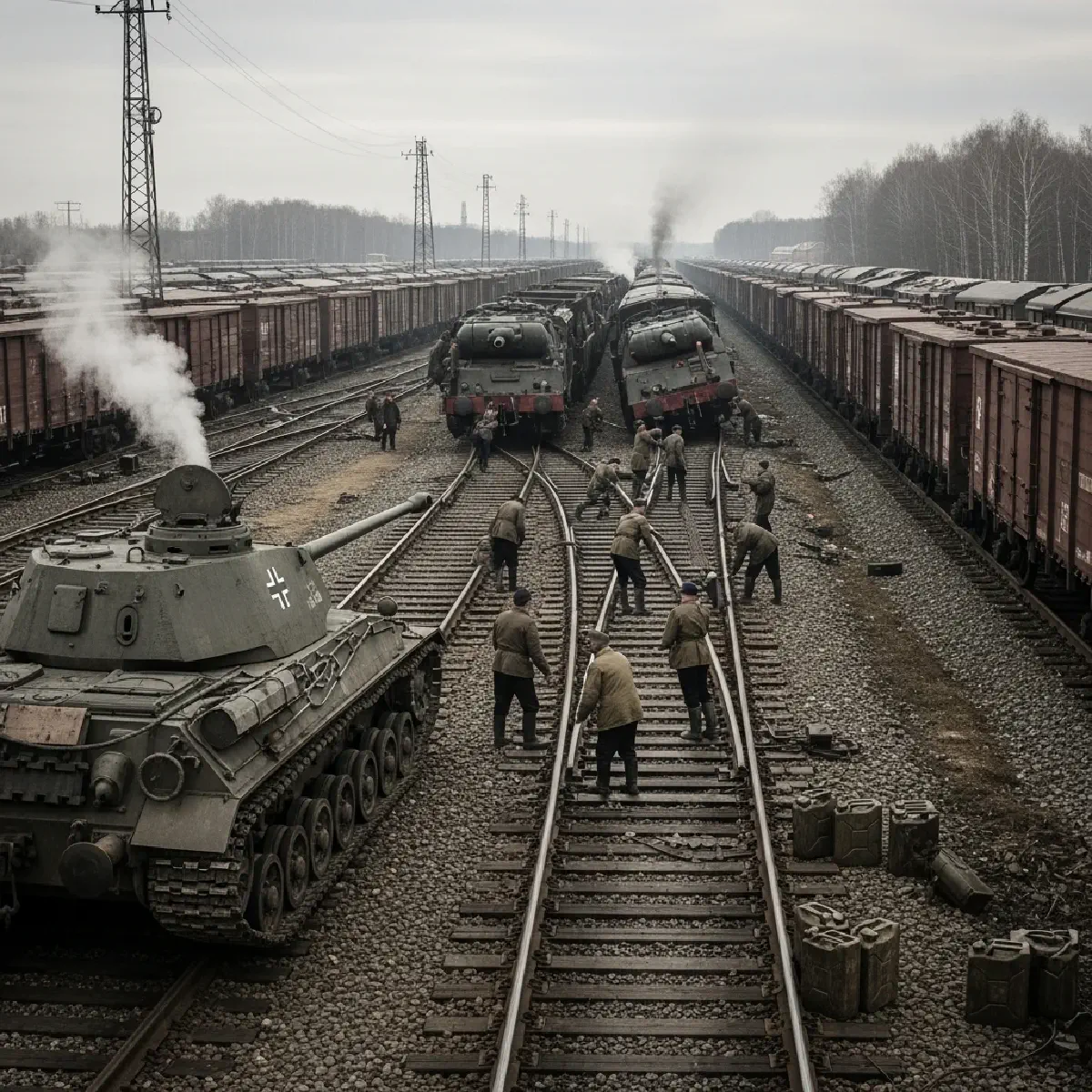
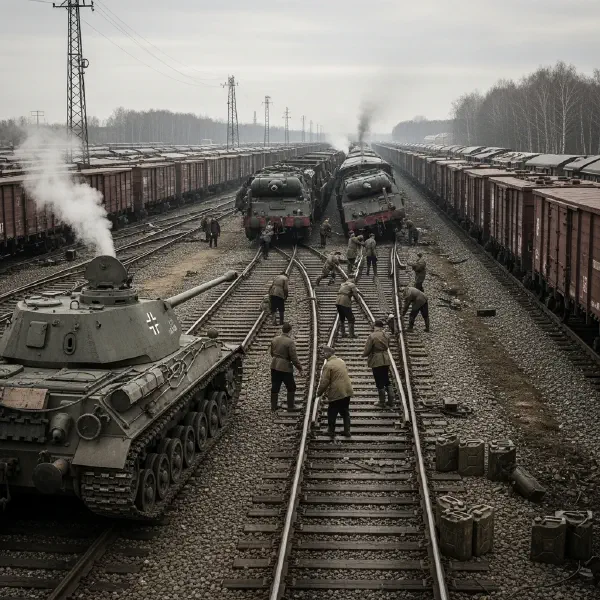
The largest military operation in history was crippled not by Soviet heroism alone, but by a 89mm difference in railroad gauge width that made German supply lines progressively useless as the advance continued.
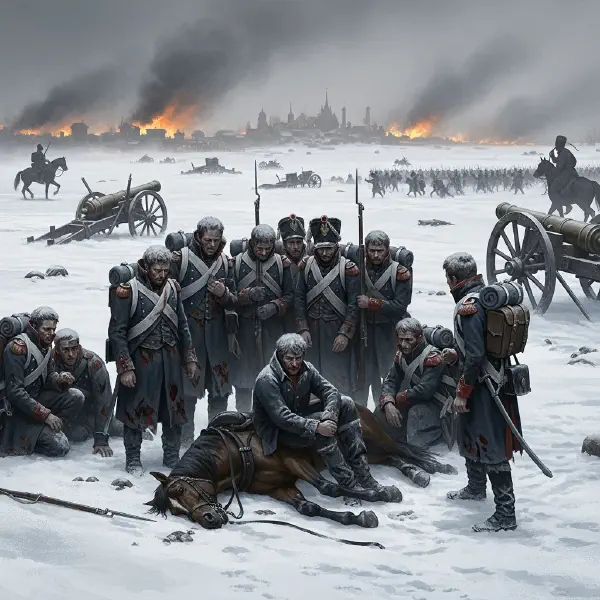
Napoleon's 1812 invasion of Russia is remembered as a tale of hubris and winter. But the real killer wasn't the cold—it was a catastrophic failure of logistics that doomed 600,000 men before they ever reached Moscow.
The greatest military strategists understood that wars are won and lost in supply depots, not just on battlefields. This introduction explores why logistics—the unsexy science of getting the right things to the right place at the right time—is the true determinant of military victory.