Key Insights
#- The Honda Point disaster demonstrates how rigid adherence to "follow-the-leader" doctrine can override critical thinking in high-stakes environments.
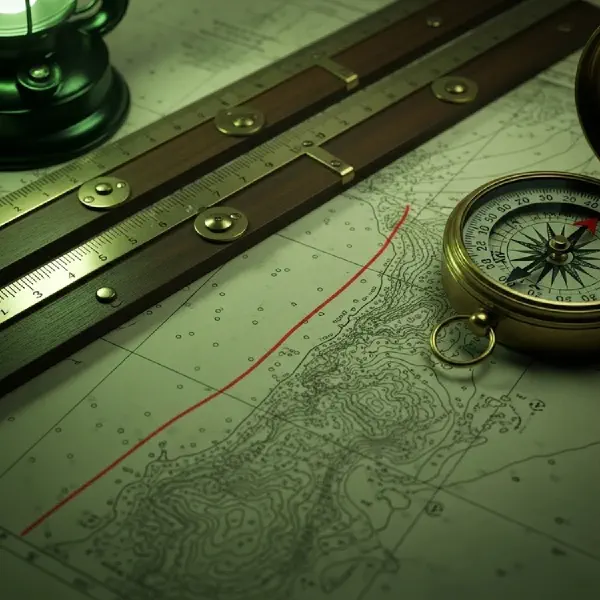
- Technological distrust and over-reliance on dead reckoning contributed to a catastrophic navigational error.
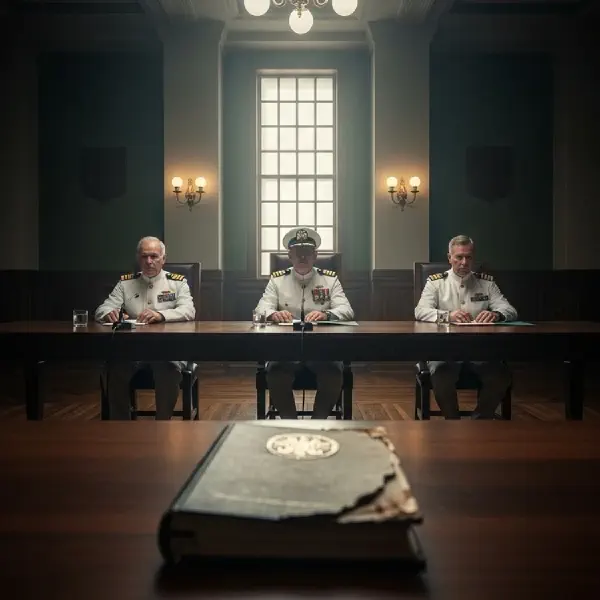
- The subsequent court martial established the "Nelsonian Imperative," prioritizing safety and common sense over blind obedience.
- Systemic inertia in military hierarchies can amplify small errors into major tragedies.
- The disaster led to fundamental changes in naval training and operational procedures.
References
#- Lockwood, C. A., & Adamson, H. C. (1960). Tragedy at Honda. Fresno, CA: Valley Publishers.
- U.S. Navy Court of Inquiry. (1923). Report of the Court of Inquiry into the Honda Point Disaster. Washington, DC: U.S. Government Printing Office.
- Morison, S. E. (1963). The Two-Ocean War: A Short History of the United States Navy in the Second World War. Little, Brown and Company.
- Friedman, N. (2004). U.S. Destroyers: An Illustrated Design History. Naval Institute Press.
- Hone, T. C., & Hone, E. C. (2006). Battleline: The United States Navy, 1919-1939. Naval War College Press.
- Stillwell, P. (1991). Battleship Arizona: An Illustrated History. Naval Institute Press.
·851 words·4 mins
The aftermath of the Honda Point disaster, including the court martial and the establishment of new naval principles for leadership and safety.
·987 words·5 mins
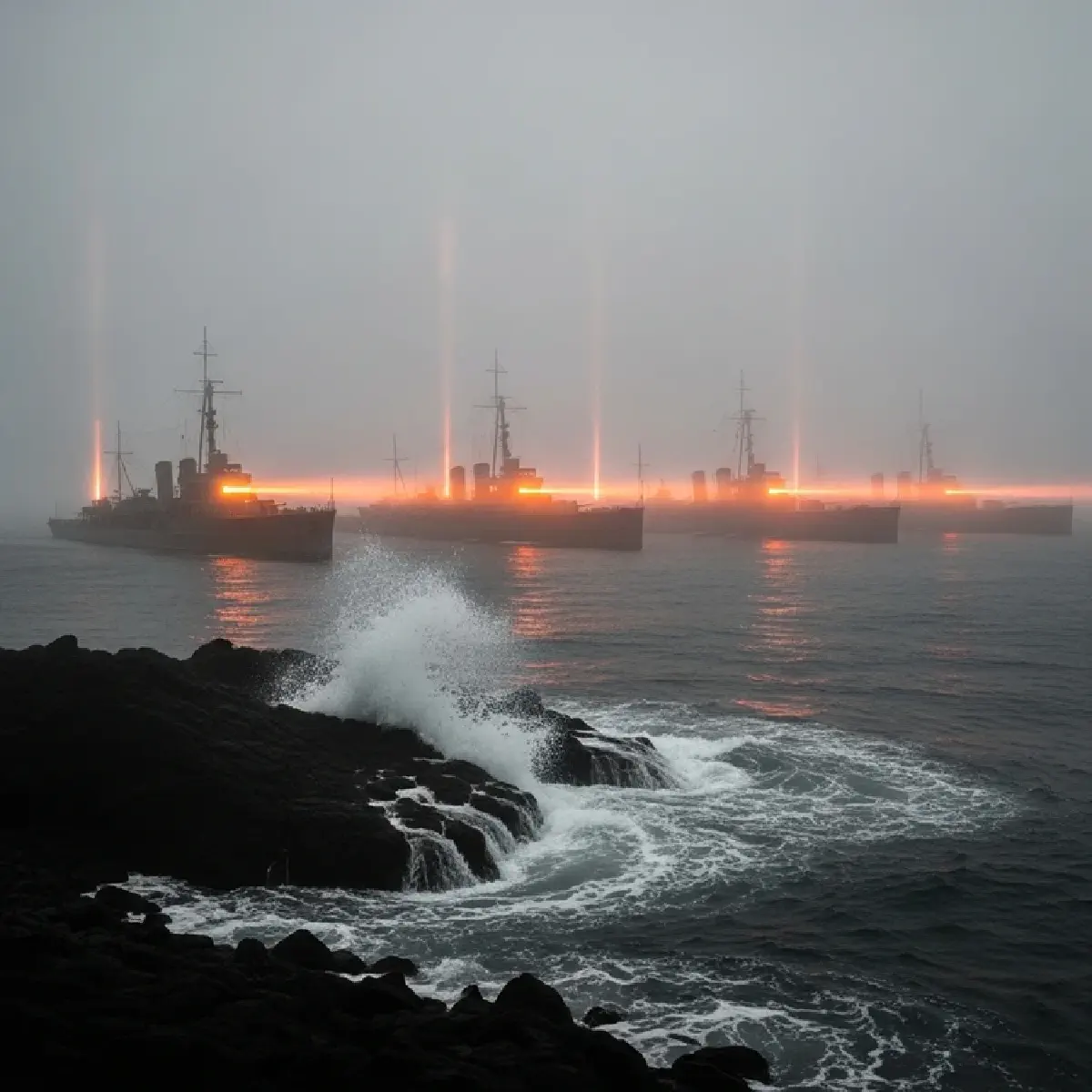
Exploring the events leading to the Honda Point disaster and the systemic failures that caused seven destroyers to wreck on the California coast.