Key Insights
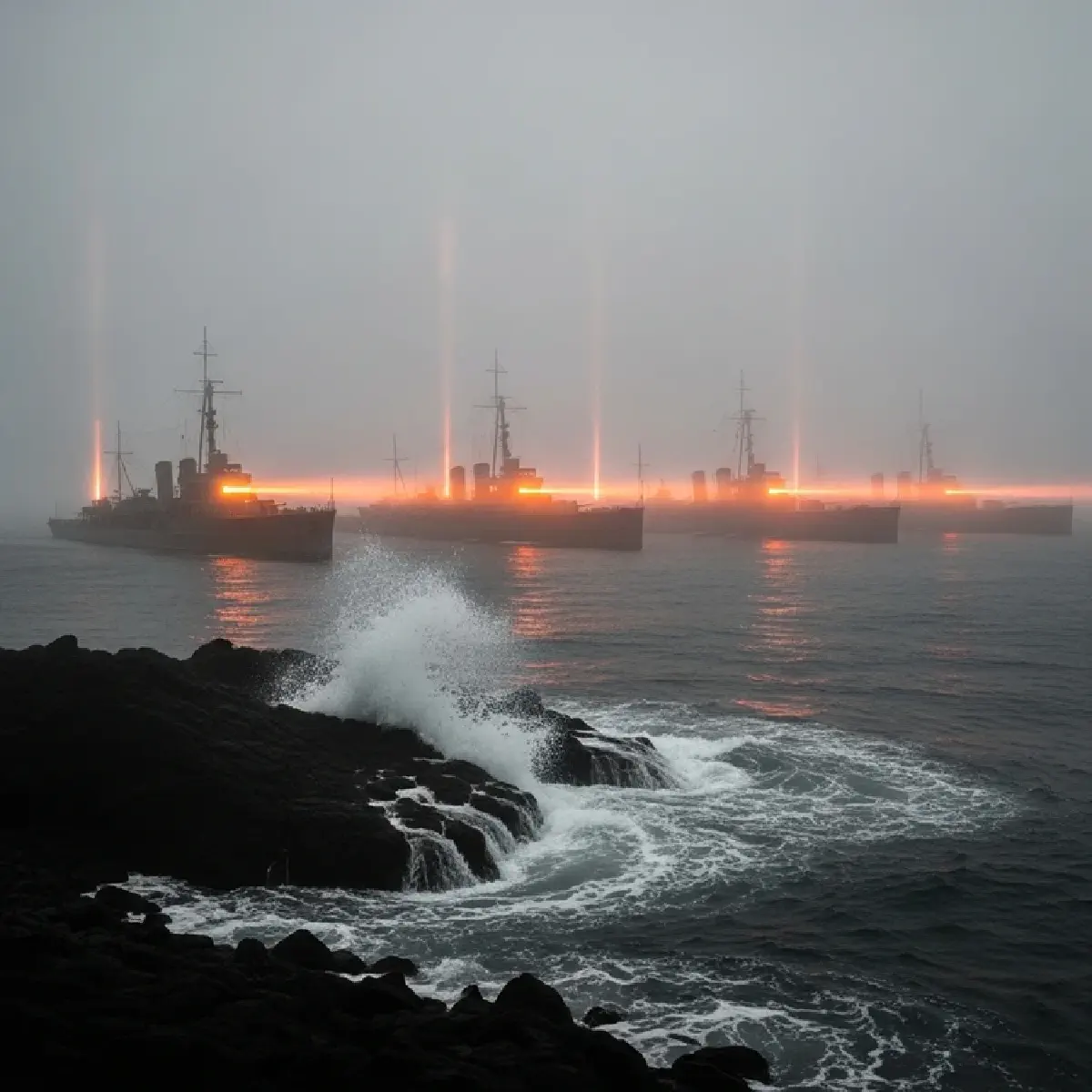
#- The Honda Point disaster demonstrates how rigid adherence to “follow-the-leader” doctrine can override critical thinking in high-stakes environments.
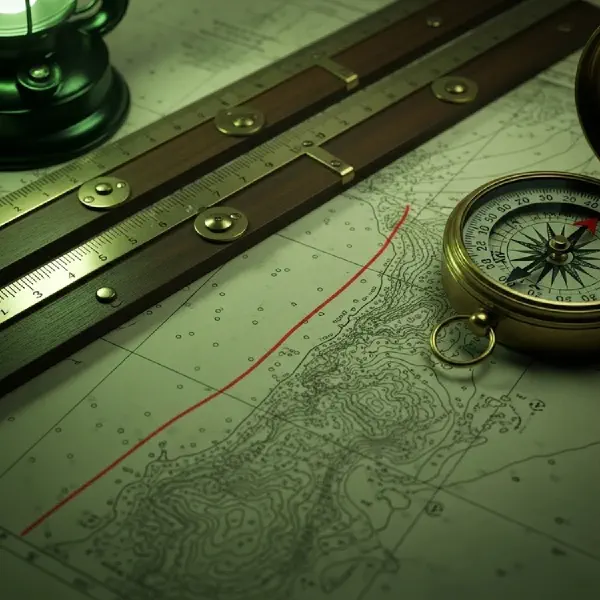
- Technological distrust and over-reliance on dead reckoning contributed to a catastrophic navigational error.
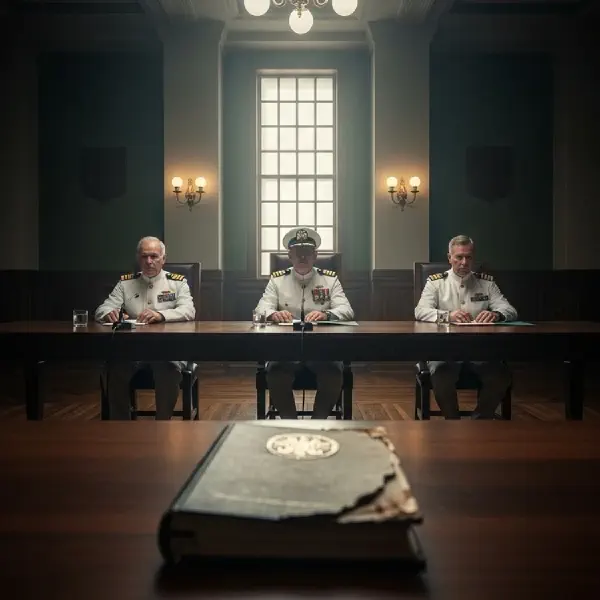
- The subsequent court martial established the “Nelsonian Imperative,” prioritizing safety and common sense over blind obedience.
- Systemic inertia in military hierarchies can amplify small errors into major tragedies.
- The disaster led to fundamental changes in naval training and operational procedures.
References
#- Lockwood, C. A., & Adamson, H. C. (1960). Tragedy at Honda. Fresno, CA: Valley Publishers.
- U.S. Navy Court of Inquiry. (1923). Report of the Court of Inquiry into the Honda Point Disaster. Washington, DC: U.S. Government Printing Office.
- Morison, S. E. (1963). The Two-Ocean War: A Short History of the United States Navy in the Second World War. Little, Brown and Company.
- Friedman, N. (2004). U.S. Destroyers: An Illustrated Design History. Naval Institute Press.
- Hone, T. C., & Hone, E. C. (2006). Battleline: The United States Navy, 1919-1939. Naval War College Press.
- Stillwell, P. (1991). Battleship Arizona: An Illustrated History. Naval Institute Press.
·851 words·4 mins
·987 words·5 mins