The Corporate Conquerors#
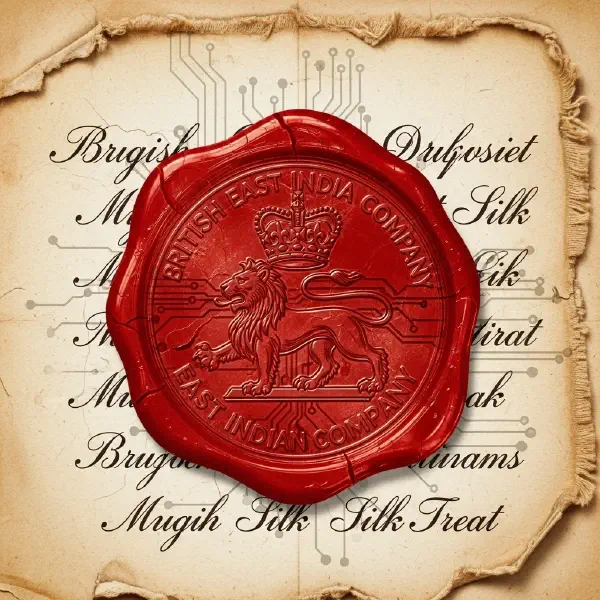
The end of the 800-year Islamic system in India did not come at the hands of a rival empire or a popular revolution. It came from a board of directors in London. The East India Company, initially a humble group of merchants granted trading rights by the Mughals, slowly transformed into a sovereign power. By 1858, they had successfully dismantled a civilization that had outlasted most European dynasties.
The Systemic Erosion of Rule#
The fall of the “Andalusia of the East” was a masterpiece of “organized injustice”. The British did not use the crude violence of the Spanish Inquisition; instead, they built a legal and economic system that made Islamic rule obsolete.
The Mechanism of Organized Injustice#
The British policy in India was defined by the phrase “organized injustice”. They did not initially seek to convert the population; they sought to bankrupt them. Through the “Drain of Wealth,” the Company extracted trillions of dollars, turning the world’s richest nation into one of its poorest. They used local taxes to buy Indian goods, effectively getting their exports for free while the Indian peasantry starved.
The Crucible of the 1857 Rebellion#
The final gasp of the old order was the Rebellion of 1857. Hindus and Muslims united under the figurehead of the last Mughal emperor, Bahadur Shah Zafar, to expel the Company. The British response was brutal; they crushed the rebellion, executed the emperor’s sons, and presented their severed heads to him on a banquet tray. This act of psychological terror marked the formal end of the Mughal Empire and the beginning of the “British Raj”.
The Cascade of Modern Identity#
The collapse of the Islamic political system led to a profound identity crisis. For the first time in 800 years, India’s Muslims were a minority without a state. This led to the eventual partition of the subcontinent in 1947, creating the modern nations of Pakistan and Bangladesh. Today, the 200 million Muslims remaining in India exist as a demographic echo of a once-dominant continental system.
The Echoes of the East#
The “Andalusia of the East” ended not with a bang, but with a colonial administrative order. Yet, the system’s influence is indelible. From the architecture of the Taj Mahal to the legal frameworks of the subcontinent, the eight centuries of Islamic rule remain the “silent foundation” of modern South Asia. We must study this 800-year journey to understand how a civilization can thrive for nearly a millennium and yet vanish into the shadows of corporate colonialism.