The Exile from the North#
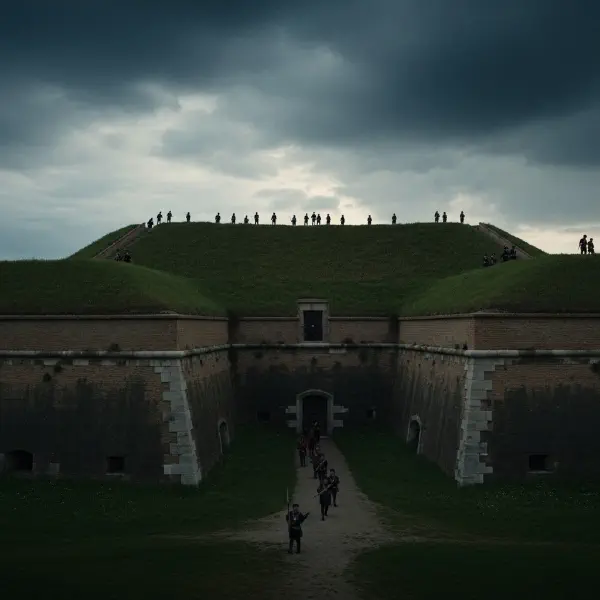
In 1526, a 43-year-old prince from the Fergana Valley (modern Uzbekistan) descended through the Khyber Pass with a small but technologically advanced army. Zahir-ud-Din Babur, a descendant of both Genghis Khan and Tamerlane, was a man without a kingdom. Having lost his ancestral lands in Central Asia, he turned his sights toward the aging Lodi Sultanate of Delhi. His victory at the Battle of Panipat did not just end a dynasty; it birthed the Mughal Empire, the most famous of all Indian Islamic systems.
The Birth of the Mughal Synthesis#
The Mughal era represented a “rebirth” of the Islamic system in India. It combined the military discipline of the Turks with the administrative sophistication of the Persians and the local traditions of India. This was the era where the “Andalusia of the East” reached its aesthetic and political zenith.
The Mechanism of Military Innovation#
Babur’s success was built on a systemic technological advantage: gunpowder. While the Indian armies relied on massive formations of war elephants, Babur introduced field artillery and matchlock muskets. This “gunpowder revolution” allowed a smaller, more disciplined force to shatter larger, traditional armies. It marked the end of the medieval era in Indian warfare and the beginning of the early modern imperial state.
The Crucible of the Fergana Aesthetic#
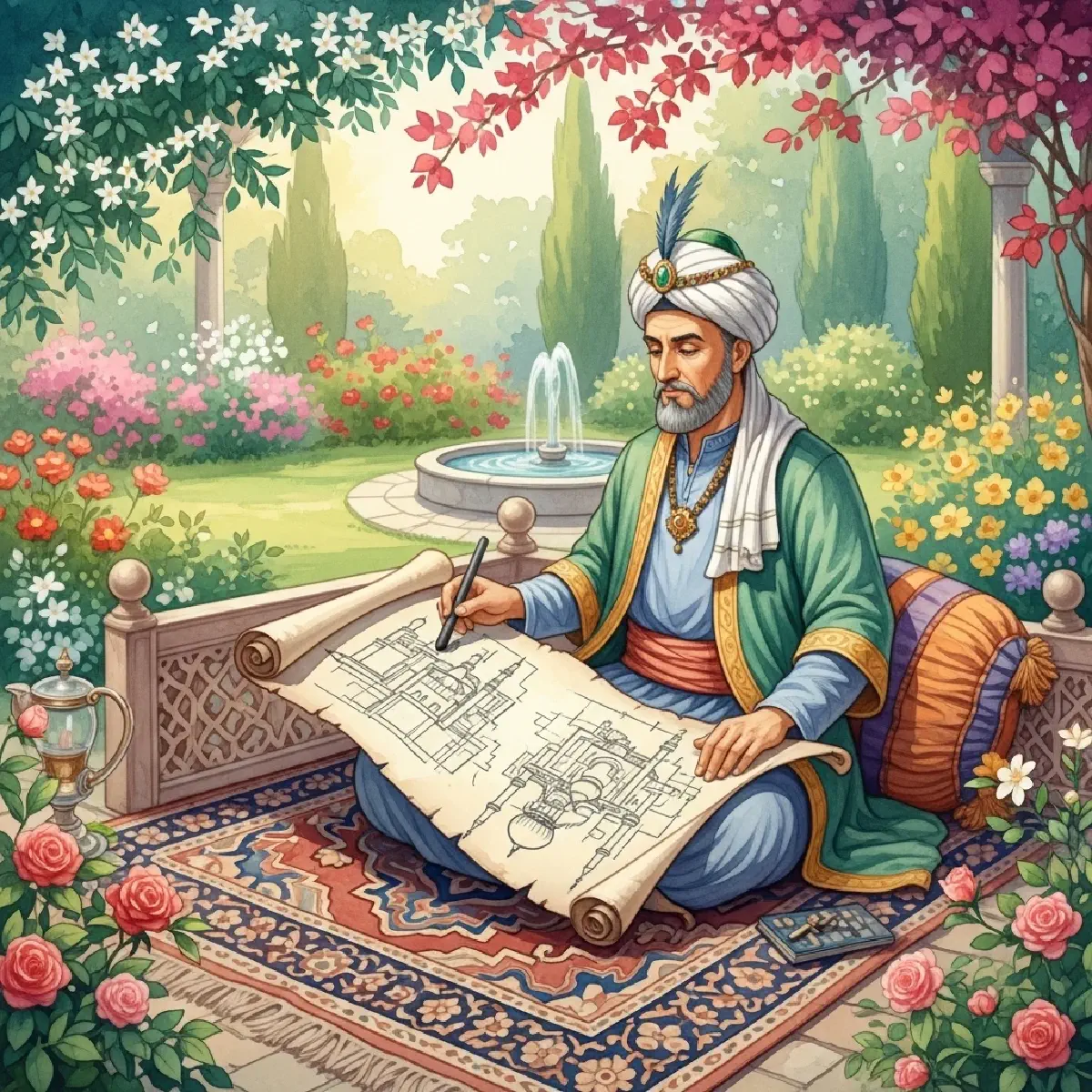
Babur was more than a conqueror; he was a refined intellectual who wrote one of the world’s first true autobiographies, the Baburnama. He brought with him a Central Asian love for symmetry, gardens, and monumental architecture. This “Fergana Aesthetic” would evolve into the signature Mughal style—seen later in the Taj Mahal—which blended Persian elegance with Indian materials. The empire was built as much on beauty as it was on bullets.
The Cascade of Imperial Bureaucracy#
Under Babur and his successor Humayun, the Mughals began to build an imperial bureaucracy that could manage a continent. They replaced the loose feudalism of the Sultanate with a centralized revenue system. This stability allowed trade to flourish, making India under the Mughals the wealthiest nation on earth. The empire became a “vortex of wealth,” attracting merchants from as far as London and Lisbon.
The Foundation of a Superpower#
Babur’s arrival was the start of a 300-year Golden Age. He had transitioned from a displaced prince to the founder of a global superpower. By the time of his death, the Mughal system was the dominant force in the East, rivaling only the Ottomans and the Safavids in power. The stage was set for the “Great Mughals” who would take this system to its absolute peak.