The Unexpected Echo of a Sunset#
History often moves in cycles where the end of one era mirrors the birth of another. The formal Islamic opening of India began precisely as the sun began to set on the Islamic presence in the West. While the Umayyad Caliphate was expanding its reach into the Iberian Peninsula, it simultaneously looked toward the riches of the Indus River. This was not a random expansion but a response to systemic friction along the Indian Ocean trade routes.
The Strategic Necessity of the Indus#
The arrival of Islam in India was a calculated response to maritime instability and political provocation. It was an attempt to secure the eastern flank of a burgeoning global empire. This era established the foundational mechanisms of governance that would persist for centuries.
The Mechanism of Maritime Retaliation#
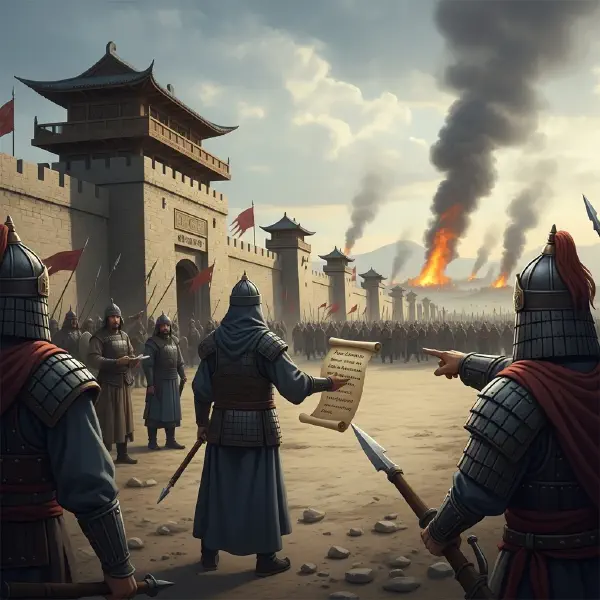
The initial impetus for military intervention was the rise of piracy in the Arabian Sea. Hindu pirates, possibly sanctioned by King Dahir of Sindh, intercepted ships carrying the families of fallen Muslim soldiers. When diplomatic requests for the release of captives were ignored, the Umayyad governor Hajjaj bin Yusuf shifted from trade to conflict. This marked the transition of the Indus from a commercial highway to a military frontier.
The Crucible of the Young Commander#
The task of stabilizing this frontier fell to Muhammad bin Qasim, a 17-year-old military prodigy. While his peers might have been preoccupied with simpler pursuits, Qasim led a disciplined force that cost the Caliphate 60 million dirhams. He successfully defeated King Dahir, establishing the first stable Islamic administrative centers in cities like Multan and Mansura. His leadership demonstrated that the Umayyad system could project power thousands of miles from Damascus.
The Transition to Civil Governance#
Following the initial conquest, the Umayyad and early Abbasid Caliphates implemented a “system of governors”. This era was characterized by a push-and-pull between central authority and local autonomy. During the reign of Umar bin Abdulaziz, diplomacy replaced the sword, as he invited local Indian kings to retain their titles in exchange for accepting Islam. This strategic flexibility allowed the faith to take root through administrative fairness rather than just military might.
The Foundation of a Continental Presence#
The era of the governors was the “seed time” for the Islamic presence in India. It transformed the Indus Valley—modern-day Pakistan—into a permanent part of the Islamic world. Although the political boundaries would shift, the cultural and religious mechanisms introduced in this period were irreversible. The first wave of the “Andalusia of the East” had arrived, setting the stage for more permanent dynasties to follow.