The Plantation of the Dead#
If the massacres of the 17th century were the sharp edge of VOC expansion, the subsequent “peace” was built on a foundation of systemic human trafficking. After Jan Pieterszoon Coen depopulated the Banda Islands in 1621, he was faced with a classic corporate problem: a lack of labor to harvest the now-monopolized nutmeg. His solution was as cold as his military strategy. The VOC repopulated the islands with Dutch colonists and an immense influx of enslaved people brought from across the Indian Ocean. This was the creation of a literal “plantation of the dead,” where the survivors of one atrocity were replaced by the victims of another.
The VOC’s ledger of human misery was vast and meticulously recorded. Between its founding and its dissolution, the Company trafficked between 650,000 and 1,130,000 enslaved people. These individuals were not incidental to the Company’s operations; they were the essential infrastructure of its wealth. From the farms of the Cape Colony in South Africa to the spice groves of Maluku, the VOC’s success relied on the total commodification of human life. This post explores the “invisible ledger”—the systemic slavery and ecological destruction that sustained the world’s first megacorporation long after the cannons fell silent.
The VOC proved that a corporation could do more than just conquer territory; it could re-engineer the very world to suit its balance sheet. By controlling who lived, who worked, and even what trees were allowed to grow, the Dutch merchants created a global system of “integrated extraction” that still haunts our current international order.
The Engineering of Infinite Dependency#
The VOC’s atrocities were not limited to the physical violence of slavery; they extended to a form of ecological warfare known as “extirpation.” This was a strategy designed to manipulate global supply by violently simplifying the natural world. To ensure that spice prices remained high in Amsterdam, the VOC had to ensure that no one else could grow them anywhere else. This required a level of environmental control that was unprecedented in human history.
The Company regularly dispatched “hongi” fleets—large flotillas of armed vessels—to islands across the Indonesian archipelago. Their mission was not to trade, but to destroy. They systematically uprooted and burned every clove and nutmeg tree that was not on a VOC-sanctioned plantation. This practice left entire islands ecologically devastated and their populations stripped of their primary means of survival. It was a deliberate creation of poverty to ensure absolute corporate dependency.
The Geography of the VOC Slave Network#
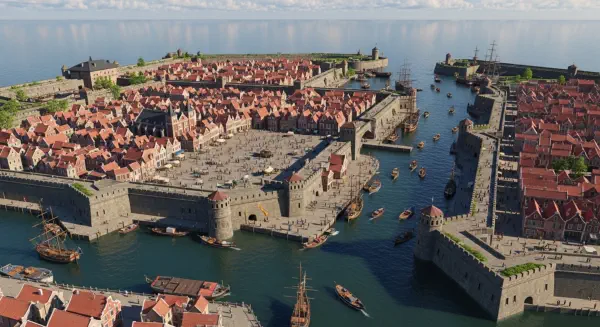
The VOC’s slave trade was a truly global operation, connecting three continents in a web of exploitation. Slaves were acquired from Africa, India, Malaysia, and China to serve the diverse needs of the Company. In Batavia, enslaved people were used to build the canals and fortifications that made the city the “Queen of the East.” In the spice islands, they replaced the populations murdered in the VOC’s early wars. This network was maintained by a social hierarchy where the white European population sat at the top, supported by a racist ideology that viewed the “Other” as either a tool or a threat. Even the “multicultural” nature of these societies was born of necessity—a lack of European women—rather than any genuine tolerance.
The Bio-Warfare of Extirpation and Forced Poverty#
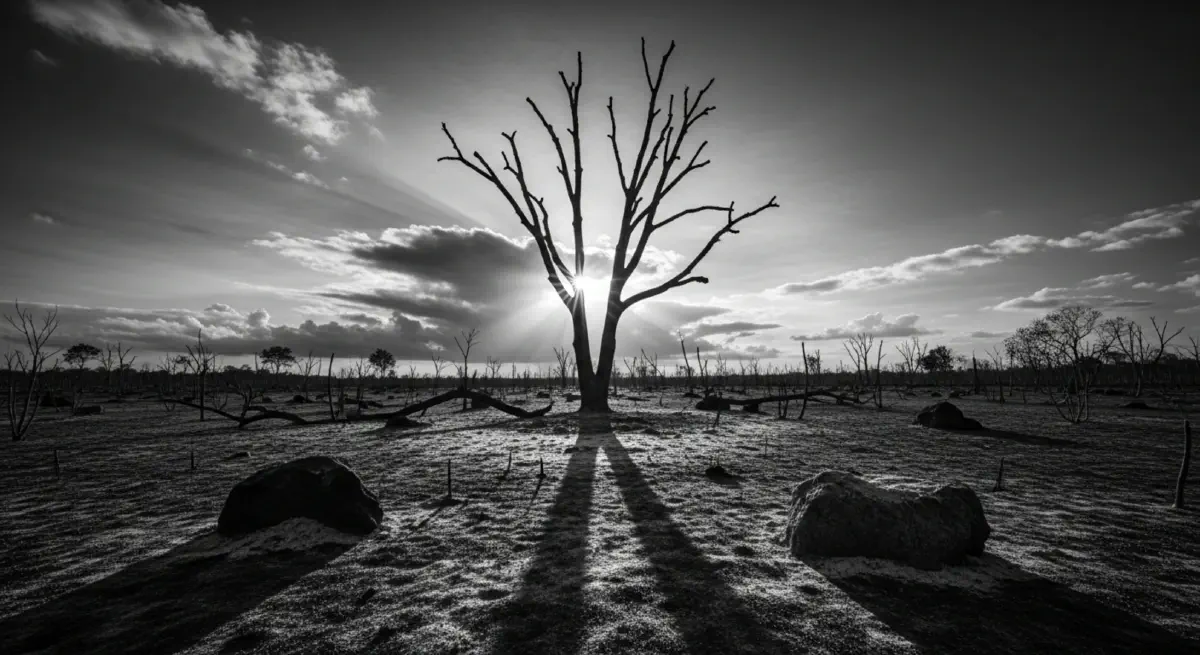
The “extirpation” campaigns were a form of biological warfare that had devastating long-term consequences. By destroying the natural biodiversity of the islands, the VOC triggered environmental disasters and left local societies “on the brink of extinction”. When the Dutch forbade locals from planting new trees and destroyed their existing groves, they were not just protecting a monopoly; they were engineering a state of permanent underdevelopment. This forced poverty was a tactical choice. A population that cannot feed itself is a population that cannot rebel. The VOC’s “profitless growth” in the 18th century was only possible because they had successfully turned self-sufficient societies into a captive labor force.
The Indifference of the Corporate Machine#
Perhaps the most haunting aspect of the VOC’s history is its profound indifference to the lives of its own employees. The Company’s mortality rate was staggering: between one-fourth and one-third of all VOC employees did not survive their term of service. They died of scurvy, tropical diseases like cholera, and the sheer physical exhaustion of maritime life. The Heeren XVII viewed these deaths with the same detachment they viewed the massacre of the Bandanese. Employees were a replaceable commodity. As long as there were enough desperate men in Europe willing to risk their lives for a chance at profit, the “company of the dead” would continue to sail. This internal neglect was the mirror image of their external violence—a total lack of appreciation for human life in the pursuit of revenue.
The Synthesis of the Ugly Reality#
The VOC was neither a “saint among devils” nor an intentionally evil entity; it was something far more dangerous: a business that searched for profit at any cost. It pioneered the modern world through the advancement of botany, cartography, and medicine, yet these “positive” side effects were built on a foundation of human and ecological erasure. The VOC showed that a corporation, when given sovereign power and a mandate for infinite growth, will inevitably move toward the most efficient form of extraction, regardless of the human cost.
The legacy of the VOC is our current global economic system. We still use the stock markets they built and the limited liability structures they refined. But we also live with the colonial scars they left behind—the racial hierarchies, the environmental degradation, and the systemic inequality of global trade. The VOC’s history is a “cautionary tale” for the 21st century. It warns us that when ambition is stripped of humanity and compassion, it leads to a dark and destructive place. As we navigate an era dominated by trillion-dollar tech giants, we must remember the Banda Islands and the invisible ledger of the VOC. We must ensure that the “greatness” we achieve as a species is not purchased with the same “ugly reality” that once ruled the eastern seas.