Key Insights
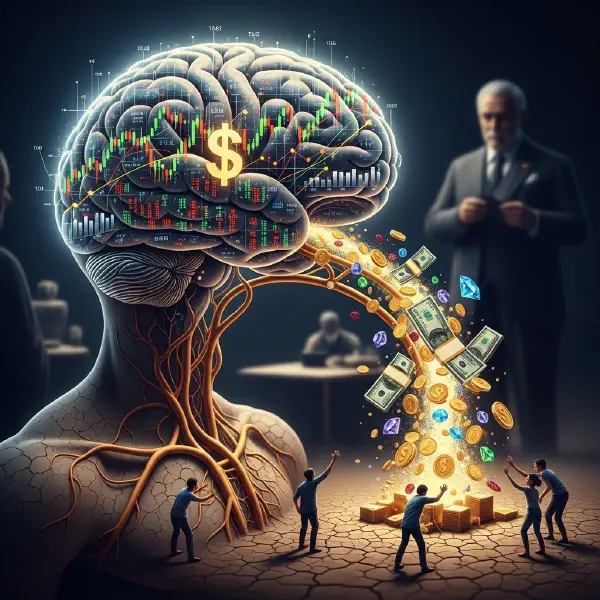
#- Free markets are often constrained by government interventions, subsidies, and regulations that distort true competition.
- Wealth inequality is exacerbated by systemic factors, including access to education, capital, and social networks.
- The myth of meritocracy overlooks structural barriers that limit social mobility for many individuals.
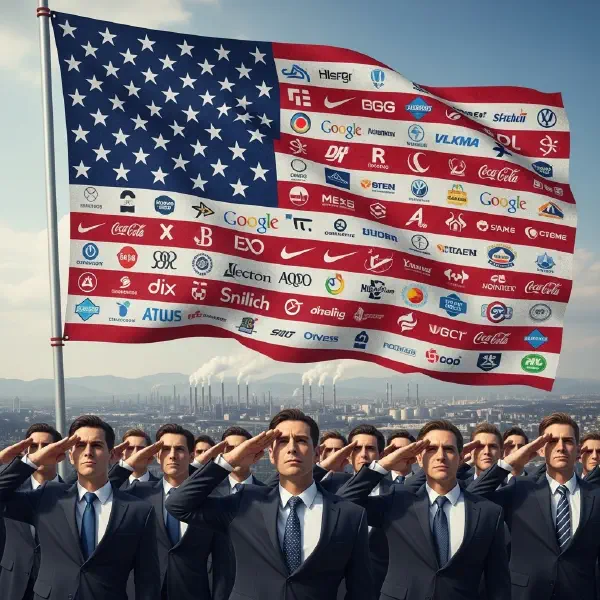
- Corporate monopolies and oligopolies undermine the ideal of consumer choice and market efficiency.
- Economic growth does not automatically translate to improved well-being for all segments of society.
References
#- Piketty, T. (2014). Capital in the Twenty-First Century. Harvard University Press.
- Stiglitz, J. E. (2012). The Price of Inequality: How Today's Divided Society Endangers Our Future. W.W. Norton & Company.
- 23 things they don't tell you about capitalism. (2018). Bloomsbury Publishing.
·874 words·5 mins
Final reckoning with the financial sector - is it serving the real economy or feeding off it?
·793 words·4 mins
Demystifying government debt - why countries are not households and deficit hysteria often does more harm than good.
·732 words·4 mins
Questioning the intellectual property system - when patents hinder innovation more than they help.
·708 words·4 mins
Challenging the belief that private is always better than public - examining the track record and limits of privatization.
·731 words·4 mins
Examining the fear of robots taking all jobs - why technological unemployment is a social choice, not an inevitable fate.
·760 words·4 mins
Challenging the doctrine that corporations exist solely to maximize shareholder value - examining alternatives and consequences.
·701 words·4 mins
Examining the claim that deregulated labor markets are better - why 'flexibility' often means insecurity for workers.
·733 words·4 mins
Debunking economic myths about immigration - examining the evidence on jobs, wages, and prosperity.
·711 words·4 mins
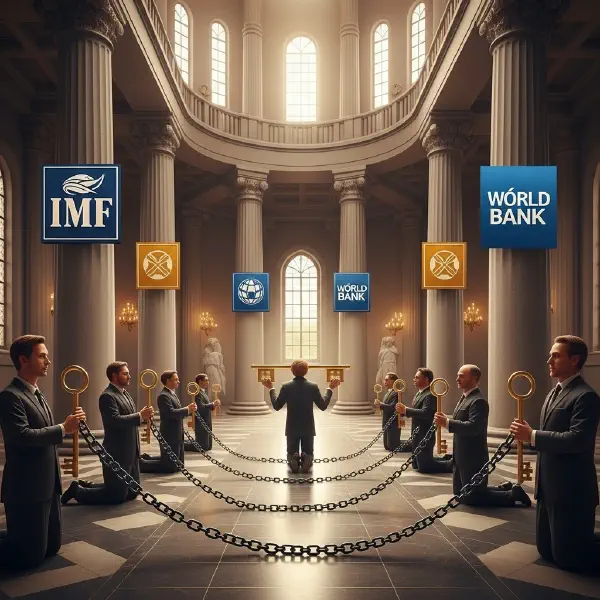
Examining the role of the IMF and World Bank in global development - when 'help' does more harm than good.
·719 words·4 mins
Questioning the gospel of endless economic growth - exploring its limits, costs, and whether we should worship GDP.
·680 words·4 mins
Piercing the veil of corporate social responsibility - why voluntary corporate virtue is no substitute for regulation and accountability.
·685 words·4 mins
Exposing the fiction of efficient financial markets - examining bubbles, crashes, and the real behavior of financial systems.
·783 words·4 mins
Deconstructing the myth of the self-made billionaire - examining how luck, inheritance, and social infrastructure create 'individual' success.
·700 words·4 mins
Exposing the externalities and hidden costs that market prices don't capture - from environmental destruction to social breakdown.
·710 words·4 mins
Challenging the assumption that consumers make rational choices - exploring how marketing, psychology, and limited information shape our decisions.
·677 words·4 mins
Examining the threat of capital flight - why the mobile capital argument is often overstated and used to justify policies that favor the wealthy.
·669 words·4 mins
Challenging the belief that inequality reflects natural differences in talent and effort - examining how institutions create and shape inequality.
·680 words·4 mins
Debunking the myth that more education automatically leads to economic prosperity - exploring the limits of human capital theory.
·1280 words·7 mins
Debunking the myth that people are purely self-interested - human motivations are complex and assuming the worst leads to worse outcomes.
·608 words·3 mins
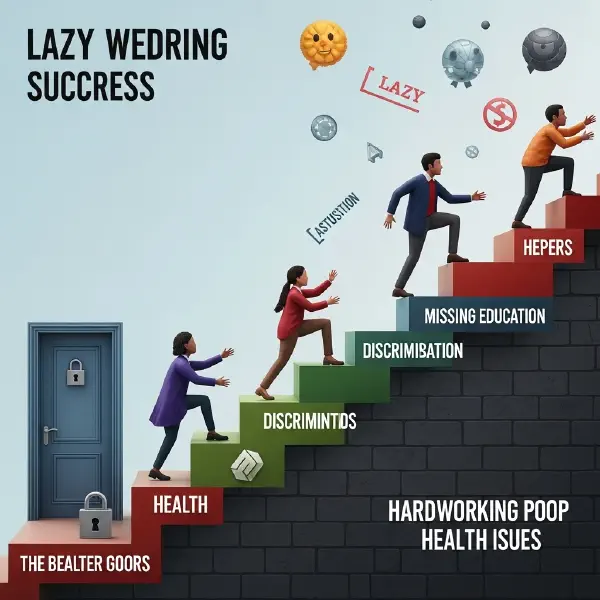
Debunking the myth that poor people are poor because they don't work hard - exploring structural causes of poverty.
·612 words·3 mins
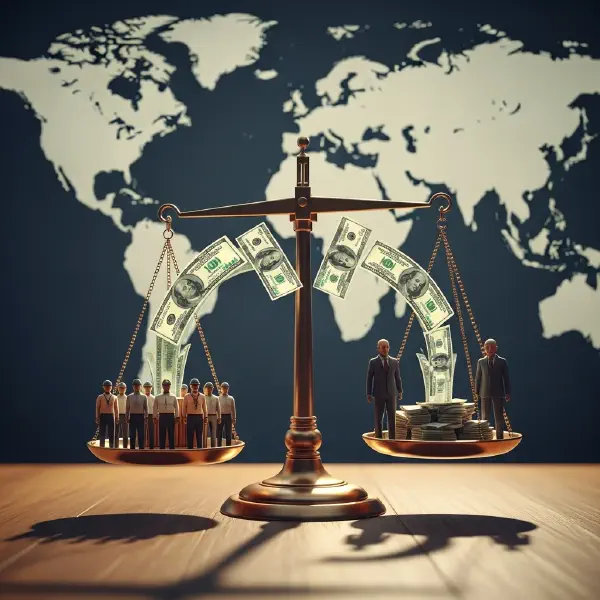
Debunking the myth that making the rich richer benefits everyone - exploring how wealth concentration harms the economy.
·546 words·3 mins
Debunking the myth that companies should be run for shareholder value - exploring how this ideology harms long-term prosperity.
·2135 words·11 mins
Debunking the myth of the free market - markets are always regulated and political decisions determine what 'freedom' means.