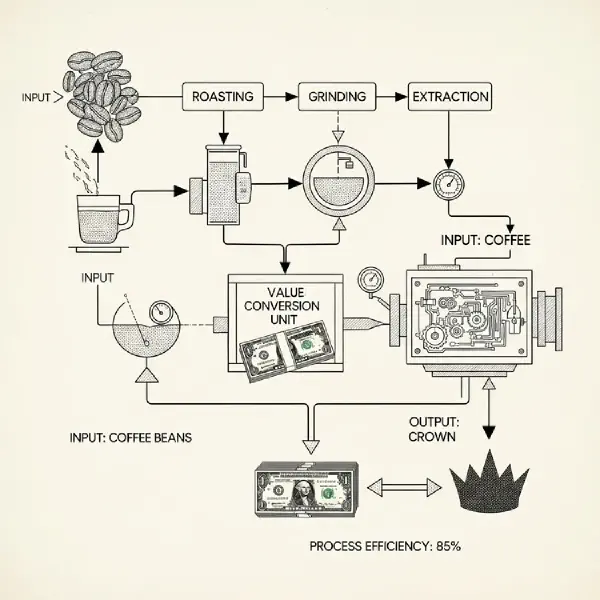
The Monopsony of the Bean: The Rwandan state utilized coffee as a primary mechanism of rural control, maintaining a monopsony that allowed the elite to extract wealth from cheap, abundant rural labor.
The Rational Dictatorship: The Habyarimana regime functioned as a rational actor, balancing loyalty and repression through the “price of loyalty” (producer prices) funded by international coffee markets.
The Logic of Collapse: When global coffee prices collapsed in the late 1980s, the regime could no longer “buy” loyalty. It pivoted to extreme repression and the mobilization of genocidal ideologies as a cheaper survival strategy.