The Future of the Human Habitat#
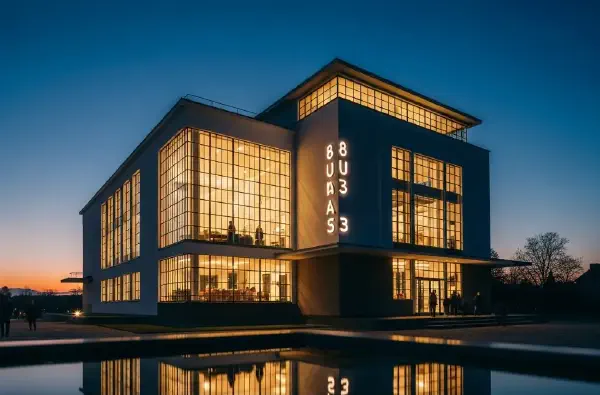
As we stand in the 100th year of the Earth’s compressed history, the “hands on the clock point perpetually to one minute before twelve”. The original Bauhaus was a response to the “mechanical age,” but we now inhabit the “Anthropocene”—a geological era defined by human artifice. We are faced with a “daunting set of problems”: global warming, resource depletion, and a “hidden mountain of waste” generated by our Kleenex culture. Design education, for too long, has been a “culture-preserving mechanism” rather than a “culture-smashing” act of discovery. The future of design must be a “radical synthesis of survival,” where we stop producing “toys for adults” and start working on the “genuine needs of man”. This requires a new kind of “Integrated, Comprehensive, Anticipatory Designer”—a dedicated synthesist capable of seeing the world as a whole.
The Thesis of Situated Responsibility#
The final thesis of this series is that “sustainable product design” is the act of (re-)learning how to make in a way that “protects the capacity for humans and other organisms to flourish together”. This matters because design is the most powerful tool given to man to “shape his environments and, by extension, himself”. We must replace “market-oriented values” with a “solution-directed search” for the common good, informed by “nature’s genius”.
The Foundation of “Situated Design”#
A new paradigm is emerging: “Situated Design Thinking,” which emphasizes a consciousness of meaning and representation in relation to context. This method moves beyond the “lone genius” to involve “diffuse design” performed by everyone affected by a problem. It requires “empathy” for the user’s lived experience, a skill that must be “curricularized” in engineering education. By adopting a “Systems Perspective,” designers can intervene at “leverage points” to produce deep, systemic change. This is the “neoteric art of design”—a practice of “new learning” that integrates disparate knowledge for a positive impact on how we live.
The Crucible of “Social Self-Tithing”#
The “ethical dilemma” of the modern designer is the conflict between profit and responsibility. To resolve this, we must embrace “kymmenykset,” or the social self-tithe: giving one-tenth of our talents and time to the needy. This is a “civil initiative” where people uphold the moral obligations that the market and governments disregard. We must design for “sustainable livelihoods,” increasing the capacity of people to use resources to determine their own lives. This is a “conducive production” model that values “human dignity” and “human rights” as the first principles of design. The crucible of our age proves that “nothing big works” unless it is built through “cooperation and mutual benefit”.
The Cascade of the “Circular Economy”#
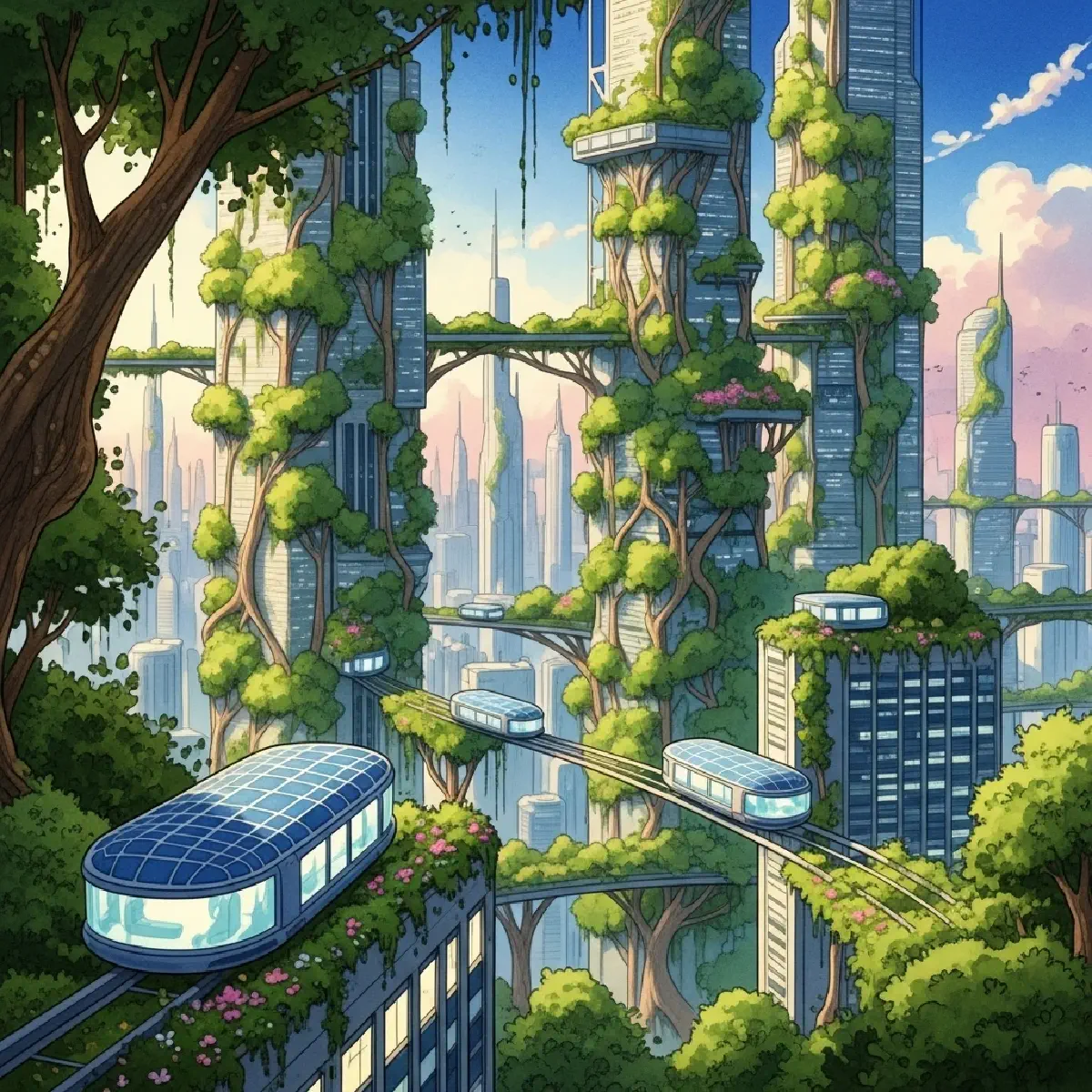
The consequence of this new making is the “Circular Economy”—a regenerative system where “waste equals food”. Designers must learn to “design for disassembly” and “remanufacturing” to ensure that technical and biological nutrients circulate in safe metabolisms. This means shifting from “ownership” to “usership,” providing access to experiences rather than accumulating stuff. This cascade of innovation can turn “product pollution” into “fertilizing agents” for a new kind of prosperity. By mimicking “Nature’s principle of least effort,” we can achieve “the most with the least,” creating a world of “sensuous frugality”.
The Synthesis of the Global Constituency#
The Bauhaus legacy concludes with a call for a “new order of existence” on our “small spaceship called Earth”. We are all “citizens of one global village” with a shared responsibility to “repair and restore” the act of making. The “Silent Architect” must now become a “Design Advocate” for the dispossessed and the environment. We must “tell lies to the young no longer” and instead show them that “survival through design” is the only path forward. Love, ecstasy, joy, and passion are not luxuries; they are the “ultimate extensions” of a life designed for survival. The series architecture of our future is ours to draft, and we must ask ourselves, “Why not?”.