The Fabric of Global Competition#
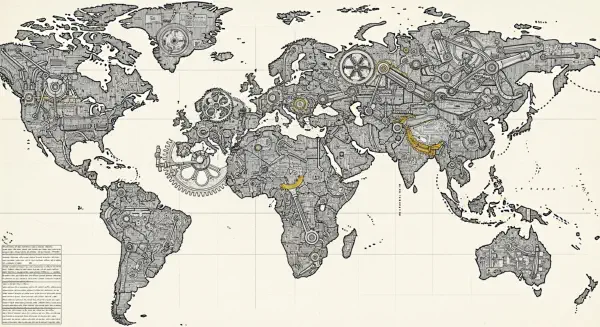
In the 18th century, the global textile market was the frontline of an economic war, and the West was losing. Indian cottons and Ottoman fabrics dominated world trade, with demand spanning four continents. The British Industrial Revolution, often cited as a triumph of internal European genius, was actually sparked by the desperate need to compete with these superior Eastern textiles. The West did not out-innovate the East at first; it studied, copied, and committed systematic industrial espionage to close the gap.
The Industrial Sabotage of the Artisan#
The West claims the “Industrial Revolution” was a singular European event, yet it was built upon the “unofficial” knowledge of anonymous craftsmen in Cairo and Aleppo. The transition from artisan to factory was not a jump in logic, but a transfer of stolen techniques.
The Crucible of Context: Weaving and Theft#
The Mechanism of Imitation#
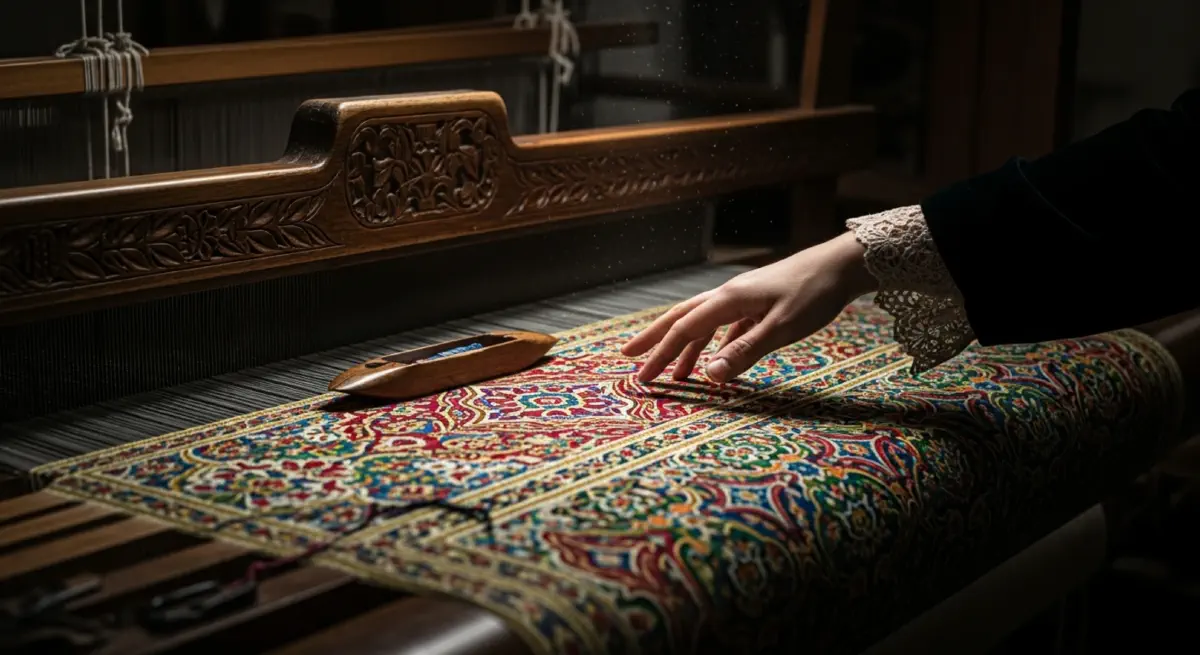
French factory owners in the 17th and 18th centuries actively sought to “copy” Indian and Ottoman designs to limit imports from the East. In Marseille, producers did not just look at finished goods; they brought in “Ottoman craftsmen” to teach them the precise techniques of printing and weaving. This was a deliberate effort to bypass the Ottoman monopoly on high-quality fabrics and “Indiennes” (printed cottons).
The Interdisciplinary Lens of Labor and Trade#
While European writers like Jomard and Denon dismissed Egyptian artisans as “fools” who only followed tradition, they simultaneously worked to document their “daily practices” for use in French industrial programs. There is a profound contradiction here: the West labeled the Eastern artisan as “stagnant” while the East’s “traditional” methods were the very thing European “innovators” were desperate to replicate. The labor structure of the Caribbean sugar plantations, which influenced Manchester’s factories, was itself a form of organizational “theft” from the non-European world.
The Cascade of Market Domination#
By the 19th century, this systematic appropriation allowed Britain to control the Egyptian economy through the cotton trade. Egypt, which had once produced high-value finished textiles for the world, was reduced to a provider of “cheap raw materials” for British factories. The $50 million in trade that once flowed through diverse partners was funneled toward a single colonial center, effectively destroying the multi-centric market.
The Forgotten Origins of the Loom#
The “Industrial Revolution” was a process of global convergence, not a European miracle. When the West raised slogans of “free trade” in the 19th century, it was only after it had spent centuries using espionage and state-backed imitation to undermine Eastern production. The modernity we see in the textile mills of Europe is a ghost of the craftsmanship of the East, its origins erased by the victors of history.