The descent from the plateau in February 1912 was a period of rapid physical deterioration. Seaman Edgar Evans died on February 17 at the foot of the Beardmore Glacier after a series of collapses. The remaining four men pushed out onto the Barrier, where they were met by a “cold snap” that dropped temperatures to -47°F [-43.8°C].
By early March, Captain Oates was suffering from severe frost-bite on his feet, which turned “blue-black”. On March 16, he walked out into a blizzard to save his companions from the burden of his slow pace. His final words, “I am just going outside and may be some time,” became a permanent record of his fortitude. Scott, Wilson, and Bowers reached their final camp on March 19, just 11 miles [17.7 km] from the One Ton Depôt.
The Biology of Failure#
Modern analysis indicates that the party was suffering from a combination of chronic calorie deficiency and the early stages of scurvy. The lack of vitamines in the sledging ration prevented their wounds from healing and weakened their resistance to the cold. The 3,600-calorie daily deficit meant their vital organs were failing by the time they reached the Barrier.
Foundation and Mechanism#
The final disaster resulted from a “perfect storm” of logistical and environmental factors. The shortage of paraffin oil in the depôts, caused by leaking leather washers, meant they could not melt enough snow for water. Without water, they became dehydrated, which accelerated the effects of frost-bite and hypothermia. They were trapped in their tent for nine days by a blizzard that never allowed them to cover the final 11 miles [17.7 km].
The Crucible of Context#
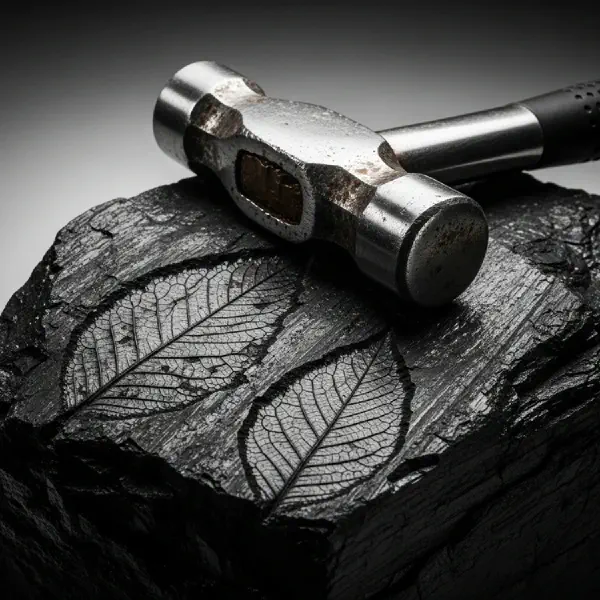
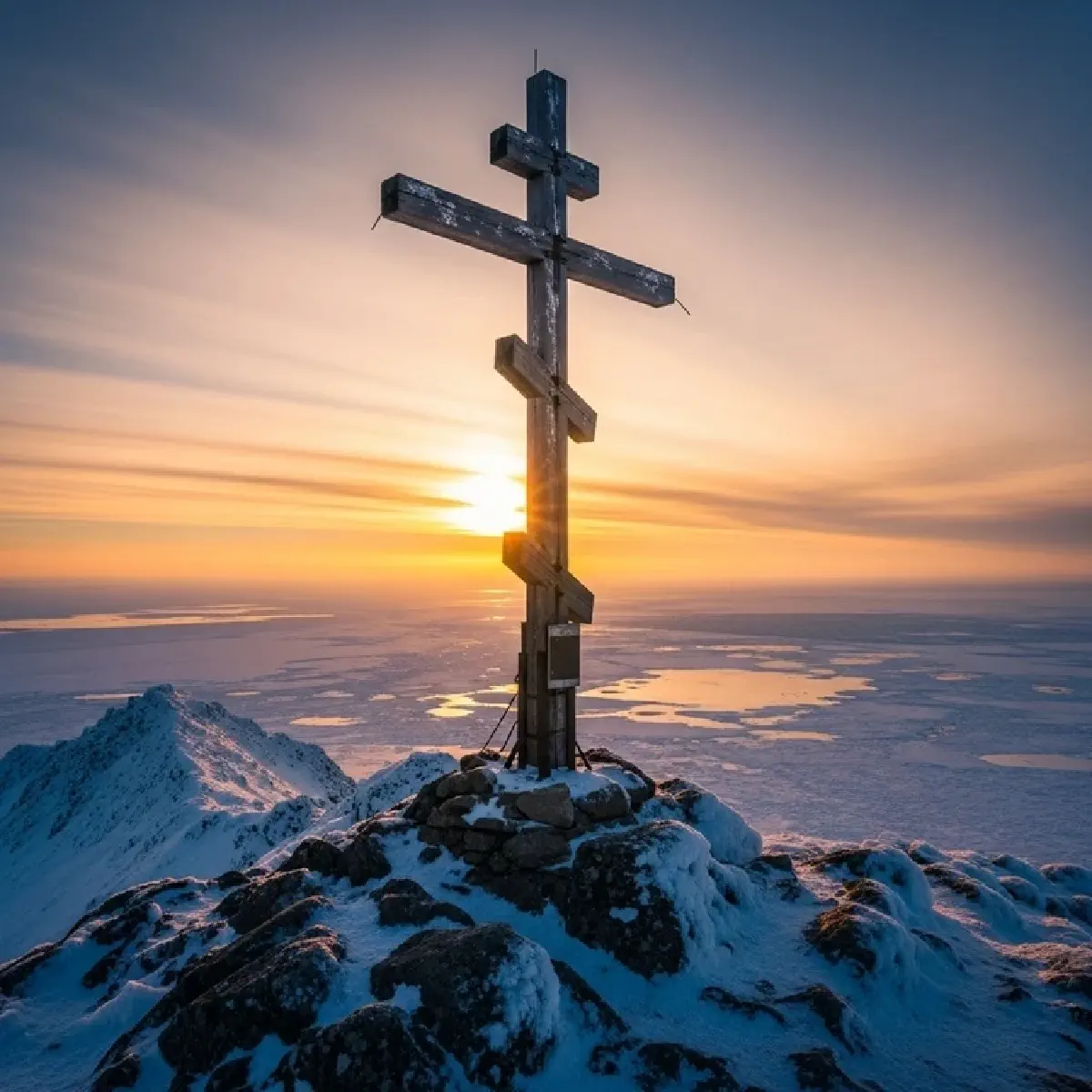
The party’s fate was unknown for eight months. In November 1912, a search party led by Atkinson discovered the tent and the bodies. They found Scott’s journals and the 30 lbs [13.6 kg] of fossils they had carried to the end. The search party built a cairn over the tent and erected a cross made of ski on Observation Hill.
Cascade of Effects#
The scientific results of the expedition were transformative. The Emperor penguin embryos provided data on avian evolution, and the fossils from Mount Buckley linked the Antarctic to the other southern continents. However, the human cost led to a complete re-evaluation of polar transport. The “school” of exploration Scott founded eventually shifted from man-hauling to the mechanized and aerial methods used today.
Synthesis: The Value of the Effort#
We must ask if the scientific knowledge was worth the five lives lost. To Scott and Wilson, the answer was always yes. They viewed exploration as the “physical expression of the Intellectual Passion”. They died not just for a flag, but for a data set that would belong to the whole world.
The story of the Terra Nova is more than a tragedy; it is a critical case study in human endurance under systemic failure. It teaches us that heroism cannot substitute for adequate calories, and that the margin between success and death in the Antarctic is measured in ounces of oil and degrees of temperature. As the cross on Observation Hill states, their legacy is the continued drive “to strive, to seek, to find, and not to yield”.