The Polar Journey began on November 1, 1911, with a tiered departure designed to maximize transport efficiency. Scott utilized ten ponies to pull the bulk of the provisions across the first 400 miles [643.7 km]. The motorized sledges started five days earlier but failed within 50 miles [80.4 km] of the base. This left the expedition dependent on biological transport and human muscle for the remainder of the 1,532 geographical mile [2,837 km] round trip [xlviii, 1506].
The Barrier stage was a battle against the “sandy” surface of the ice-cap. High temperatures, rising to +35°F [+1.6°C], turned the snow into a viscous sludge that tripled the friction on the sledge runners. The ponies, Manchurian beasts unsuited for such deep snow, sank to their bellies at every step.
The Pony Logistics#
Oates managed the pony teams with meticulous care, building snow walls at every camp to shelter them from the wind. Despite his efforts, the lack of nutritious forage caused the animals to lose condition rapidly. The compressed wheat fodder provided only bulk, not the sustained energy required for pulling 600 lbs [272 kg] per animal.
Foundation and Mechanism#
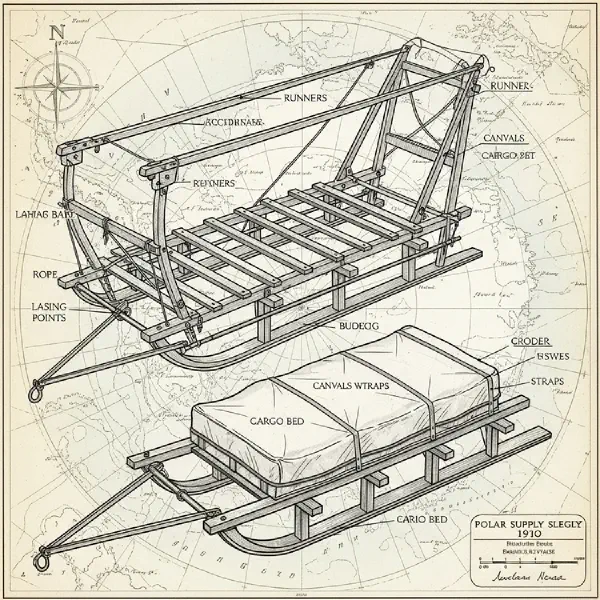
The transport chain relied on the “relay” system for the heaviest sections. When the snow was too soft, men and animals had to move half the load forward, then return for the rest, effectively tripling the distance walked. The sledges were 12 feet [3.65 m] long, designed to bridge small crevasses and distribute weight. Every four miles [7.4 km], a snow cairn was built to serve as a navigation marker for the return journey.
The Crucible of Context#
The expedition’s progress was halted for four days by a massive blizzard in early December. This was an unprecedented meteorological event for mid-summer, bringing 1.5 feet [0.45 m] of new, wet snow. The moisture soaked the tents and sleeping-bags, which then froze into rigid blocks when the temperature dropped. This delay consumed critical food reserves before the party had even reached the glacier.
Cascade of Effects#
The blizzard forced Scott to shoot the remaining ponies at “Shambles Camp” before they could reach the glacier. Their meat was depôted to feed the dog-teams and provide a protein reserve for the men. The transition to man-hauling began here, with 12 men organized into three teams of four. The delay meant they were now six days behind their calculated schedule.
The Strategy of One Ton Depôt#
The One Ton Depôt, located at 79° 29´ S, was the most critical cache on the Barrier. It contained nearly 2,000 lbs [907 kg] of supplies intended to sustain the final return from the Pole. However, during the initial depôt-laying in early 1911, Scott had been forced to leave it 30 miles [55.5 km] short of its intended 80° S location. This seemingly minor discrepancy would later become a focal point of the final disaster.
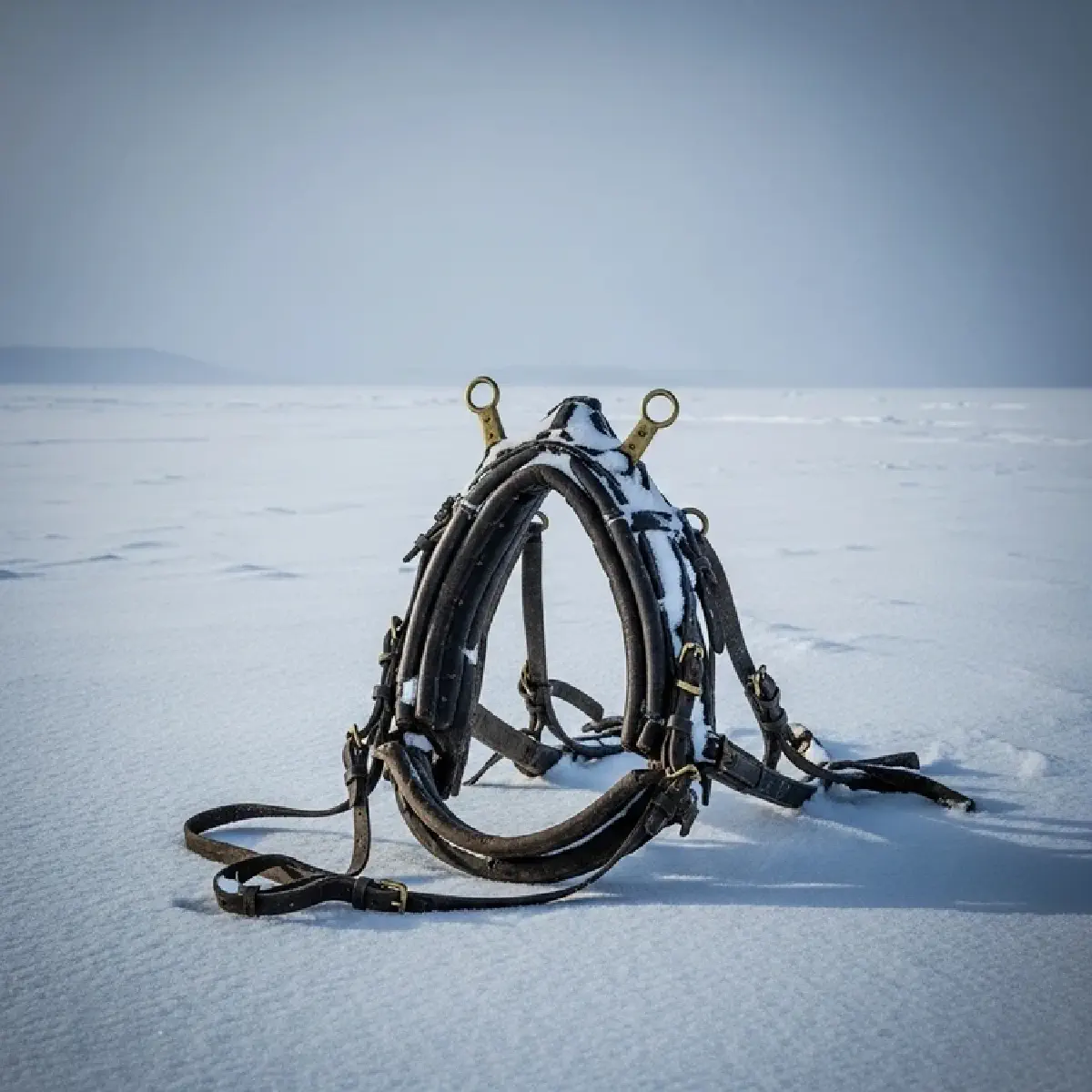
As the ponies were destroyed, the human teams took up their harnesses. They were now entering a world where every calorie mattered and every mile was won by physical pain. The “Barrier Stage” was over, but the most difficult geographical hurdle lay directly ahead. They faced the 120-mile [222.2 km] ascent of the Beardmore Glacier.