The Perilous Race for Nuclear Parity#
Control of the high seas has long served as the primary hallmark of imperial power and national supremacy. The 1950s ushered in a period of unprecedented technological one-upsmanship between the United States and the Soviet Union. When news arrived that the Americans were developing a nuclear-powered submarine, the pressure on the Kremlin reached a fever pitch. Joseph Stalin had initially banned naval nuclear reactor research to prioritize the development of atomic bombs. However, the rapid progress of the American project eventually convinced him that the Soviet Navy required its own nuclear deterrent. This desperate desire to bridge the gap led to a series of engineering shortcuts that would haunt the Soviet fleet for decades. The resulting November-class attack submarine became a testament to the dangers of prioritizing speed over safety.
The Paradox of Performance and Poison#
The Soviet Union’s first nuclear submarine project prioritized raw performance and propaganda victories over the fundamental survivability of the crew. By rushing development to match Western advancements, the Soviets created a vessel that was technologically advanced in speed but developmentally regressive in engineering integrity.
The Blueprint of a Submerged Monster#
The November-class submarine, known internally as Project 627, was originally conceived as a “doomsday sub” designed to launch a massive 100-megaton nuclear torpedo. While the insane T-15 ZAR weapon was eventually scrapped, the vessel that emerged was an absolute monster on paper. It utilized two nuclear reactors to generate roughly 140 megawatts of power, providing 70,000 shaft horsepower to its twin screws. This allowed the November class to reach staggering submerged speeds exceeding 30 knots. Its hydrodynamic hull, featuring a heavily rounded bow, significantly outclassed early American rivals like the USS Nautilus. Furthermore, the removal of the oversized torpedo tube allowed for a formidable armament of eight torpedo tubes and 20 reloads.
The Crucible of Industrial Inexperience#
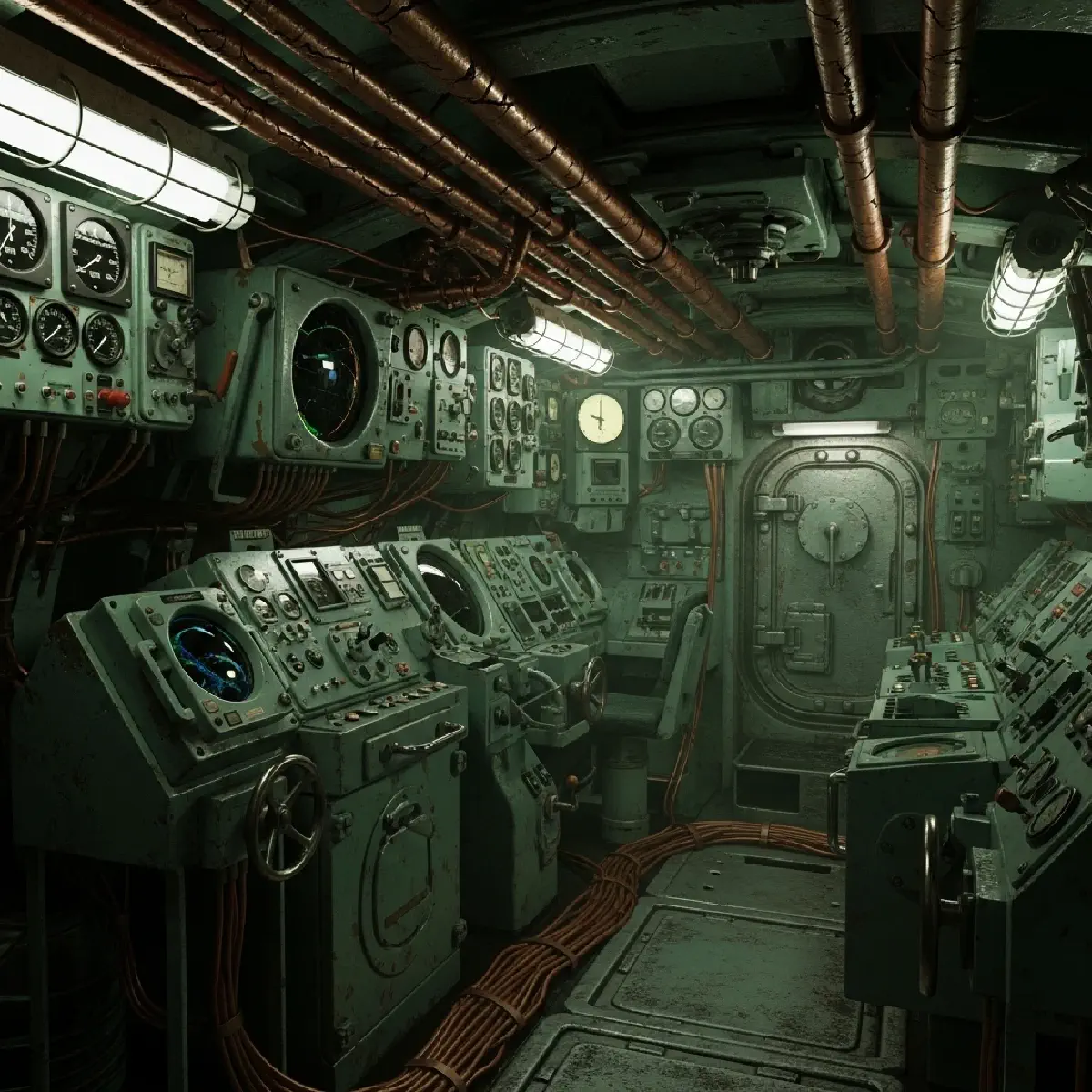
The ambitious design of the November class collided with the harsh reality of Soviet industrial limitations. Very few people in the USSR possessed the experience required to build small-scale nuclear reactors for maritime use. Construction of the lead boat, K-3, required specialized equipment from over 80 different plants, many of which had never worked with such exotic materials. The high-pressure pipelines required to direct superheated steam were manufactured to compromised standards. Engineers used the wrong type of steel for the primary cooling circuit, leading to microscopic cracking in critical components. Under the constant pressure of operation, these flaws grew until they reached a catastrophic point of failure.
The Cascade of Radioactive Failures#
The consequences of these systemic flaws were both immediate and lethal for the Soviet sailors. A November-class steam generator was only expected to last 3,000 hours—a mere 125 days—before a critical failure would occur and irradiate the crew. Poor construction extended to the wiring, leading to devastating fires, such as the one that sank the K-8 and killed 52 men. The K-3 became a propaganda icon after surfacing at the North Pole in 1962, but the victory was a hollow one. The boat was barely holding together, with one generator shut down and the crew suffering from radiation sickness caused by leaking steam. Of the 13 November-class boats built, 11 suffered radiation incidents, earning the class a dark reputation in naval history.
The Enduring Cost of the Red Banner#
The legacy of the November class is a chilling reminder that national pride is a poor substitute for rigorous engineering. While the K-3 was restored over 11 years at a cost of 50 million rubles to serve as a museum in St. Petersburg, its real story is written in the medical records of its crew. The Soviet pursuit of “breakthrough” technology ignored the fact that a weapon that poisons its user is a liability, not an asset. The November class achieved the speed the Kremlin demanded, but it failed the most basic test of any warship: the ability to bring its men home safely. As we look toward future autonomous and nuclear-powered systems, the shadow of the K-3 warns that the most dangerous flaw in any complex system is the hubris of its creators.