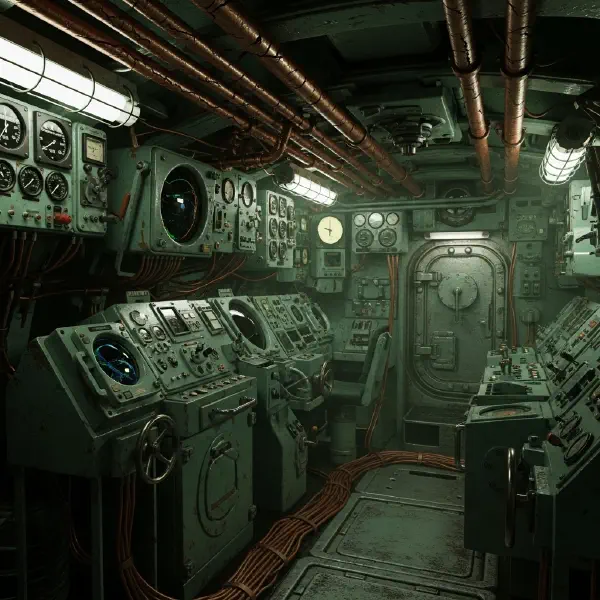
The Soviet November-class submarines sacrificed crew safety for speed, resulting in widespread radiation incidents and highlighting the perils of rushed nuclear technology.
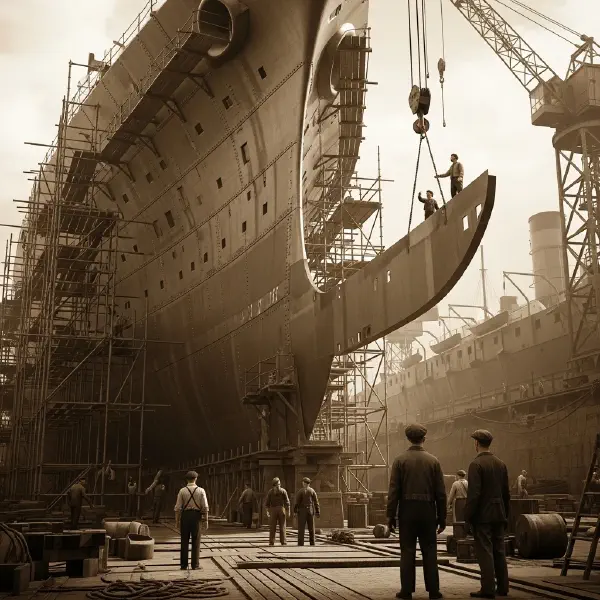
Austro-Hungarian Tegetthoff battleships prioritized firepower over protection, leaving them vulnerable to torpedoes and demonstrating how political compromises undermine engineering integrity.
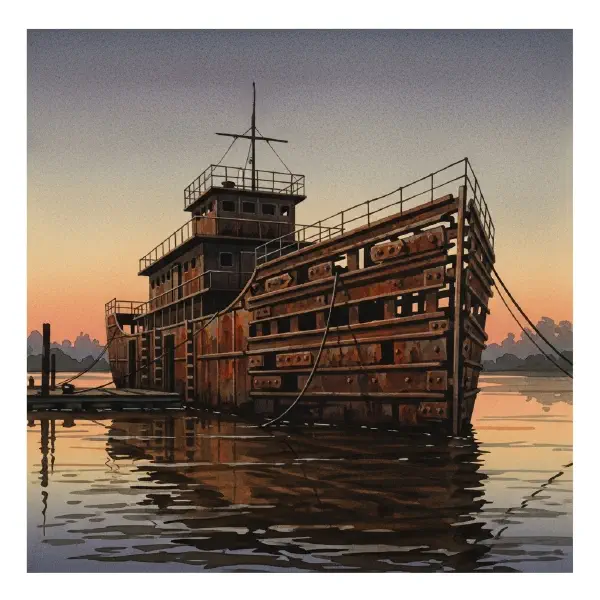
The Confederate CSS Georgia ironclad, built from railroad tracks, became a stationary relic due to industrial limitations, illustrating the consequences of improvisation in warfare.
These disasters reveal that technological hubris often leads to catastrophic failures when ambition outpaces capability and safety considerations.
Naval engineering history serves as a cautionary tale for modern systems, emphasizing the need for rigorous testing and ethical design practices.