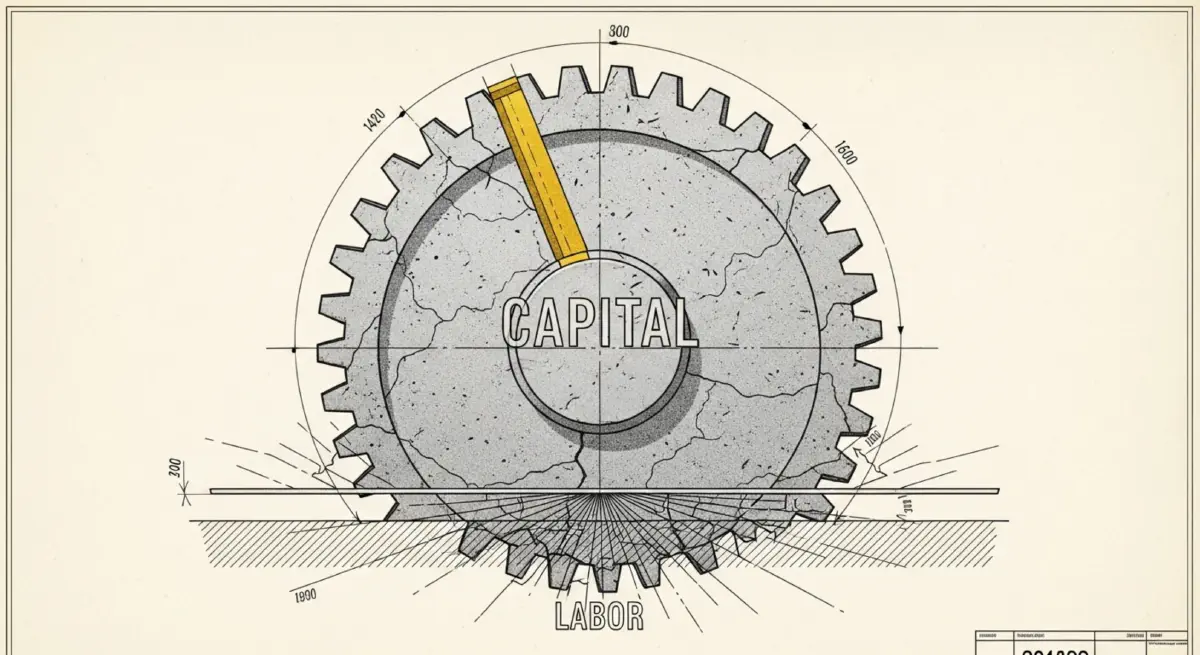
The Structural Core: Inequality is not an accident but a structural feature of capitalism defined by $r > g$ (returns on capital exceeding economic growth).
The Weight of Wealth: Low economic growth causes the capital-income ratio ($\beta$) to rise, making past accumulation far more dominant than current labor.
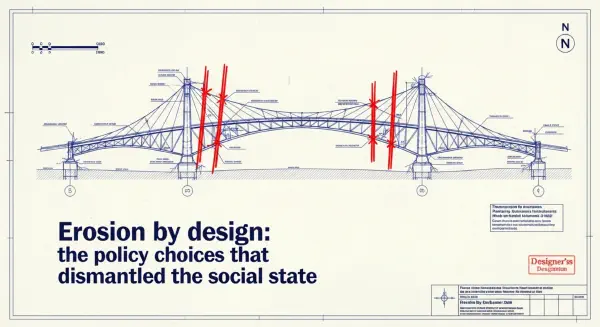
Policy as a Catalyst: The resurgence of inequality since the 1980s was accelerated by deliberate shifts away from progressive taxation and toward global tax competition.
The Death of Meritocracy: We are transitioning from a society where work and study are the routes to the top to a “patrimonial” society where inheritance is the primary determinant of prosperity.
The Democratic Risk: Extreme concentration of wealth in the hands of a “rentier” class threatens democratic legitimacy by replacing merit with birthright.
The Solution is Political: To counter the “implacable logic” of wealth concentration, coordinated international action—such as a global capital tax—is required.
Kaufmann, S., & Stützle, I. (2017). Thomas Piketty’s Capital in the Twenty-First Century: An Introduction (A. Locascio, Trans.). Verso. (Original work published 2015).
Piketty, T. (2014). Capital in the Twenty-First Century (A. Goldhammer, Trans.). Belknap Press: An Imprint of Harvard University Press.