
The Unfinished Conquest: How Colonialism Remade Africa
Series Overview#
This series will dismantle the myth that colonialism was a brief, benevolent interlude of "pacification" and development. Instead, it will reveal a prolonged assault on African sovereignty, economic autonomy, and cultural integrity that was executed through legal fraud, overwhelming technology, and the deliberate manipulation of internal divisions. Each article will combine a compelling narrative hook with rigorous, evidence-driven analysis to examine a distinct dimension of the colonial project and its enduring consequences. The series will move from the intellectual and diplomatic groundwork laid before the Scramble, through the military conquest and economic extraction, to the forms of African resistance that ultimately reshaped the continent’s political destiny.
This 6 articles series is arranged as: Article 1, “The Mapmakers Who Never Left London,” reveals how explorers, missionaries, and the Berlin Conference laid the legal and informational groundwork for conquest without firing a shot. Article 2, “The Maxim Gun and the Tax Collector,” dissects the brutal economic logic of conquest, from chartered company armies to the coercive hut tax that forced a continent into labour. Article 3, “The African Caesars Who Fought Alone,” explains why brilliant military strategists like Samori Ture and Menelik II could not save a continent from disunity. Article 4, “The Country That Never Existed,” shows how colonial borders, drawn to secure spheres of influence, created artificial states and planted the seeds of modern political crises. Article 5, “The Prophet, the Preacher, and the Press,” uncovers the hidden history of anti-colonial struggle fought not with guns but with new gods, old traditions, and the written word. Article 6, “A Banker, a Bishop, and a King,” tells why Liberia and Ethiopia escaped the Scramble and what their survival cost them.
Infographic#
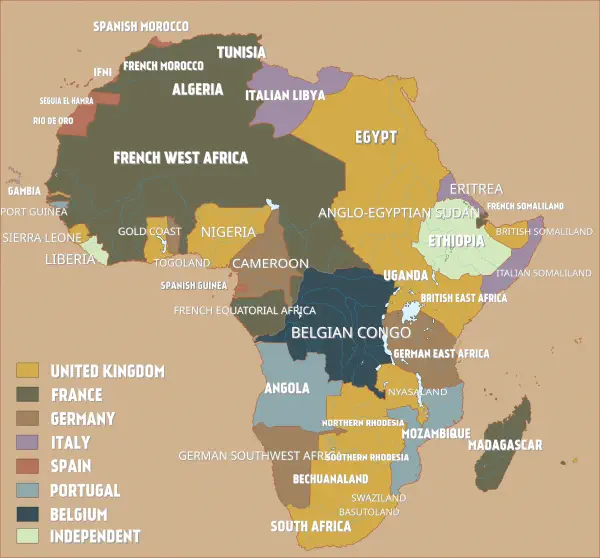
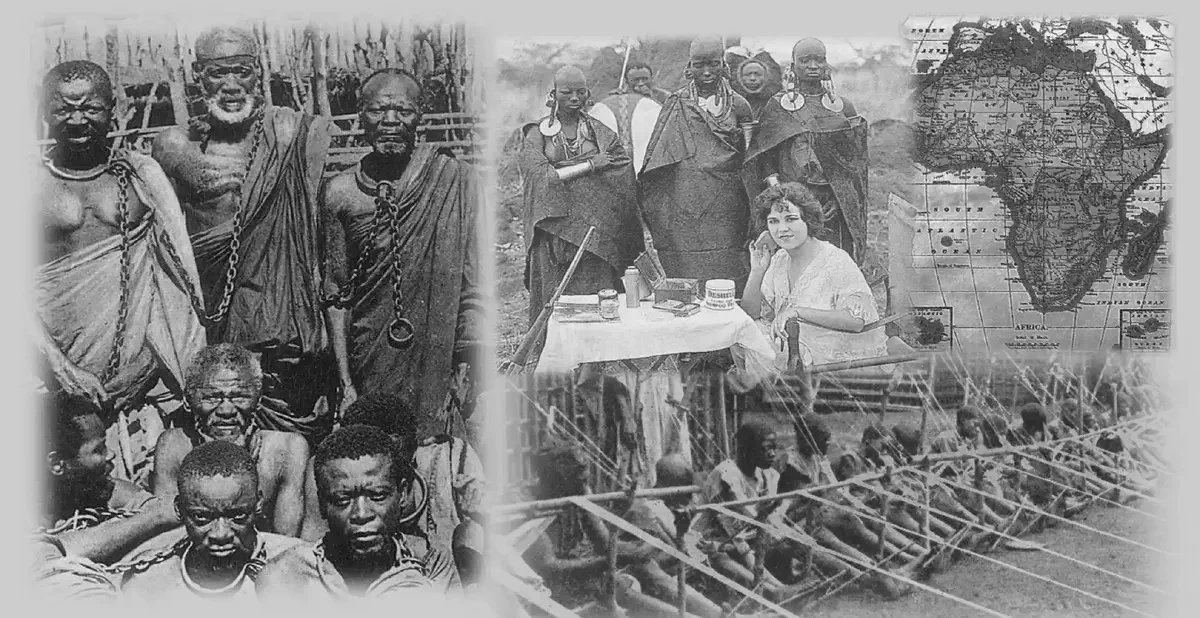
This infographic gives an overview of the series
References#
Boahen, A. A. (Ed.). (1985). Africa under colonial domination 1880–1935 (General History of Africa, Vol. 7). Heinemann; UNESCO; University of California Press. https://unesdoc.unesco.org/ark:/48223/pf0000184296
Further Reading#
Colonization has not ended by declaration of independence. Only the form has changed:
Africa Lost Sovereignty – Part 6: A Banker, a Bishop, and a King
·3532 words·17 mins
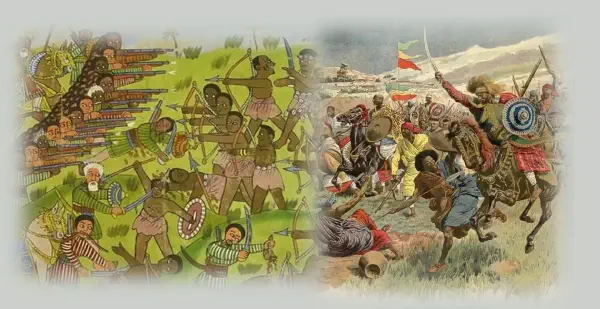
In the spring of 1891, Emperor Menelik II of Ethiopia dispatched a circular letter to the crowned heads of Europe... 'Ethiopia has need of no one; she stretches out her hands unto God.'
Africa Lost Sovereignty – Part 5: The Prophet, the Preacher, and the Press
·3804 words·18 mins
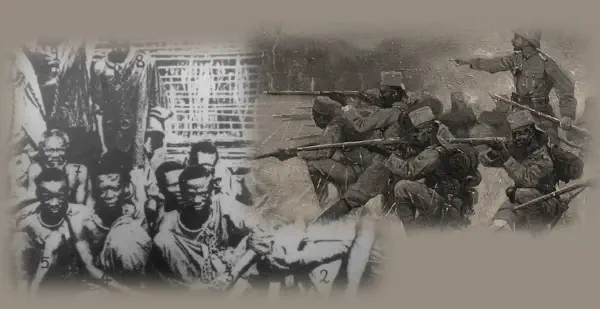
The idea had animated the rebellion—that Africans of different languages and chiefdoms could unite against a common oppressor—did not die with its prophet. It seeped into the soil of Tanganyikan politics and lay dormant for a generation, until it re-emerged in the mass nationalism of the 1950s.
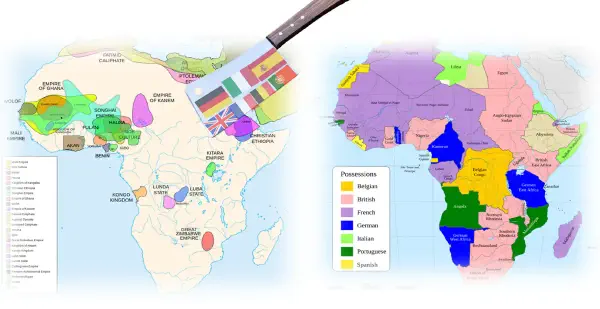
Africa Lost Sovereignty – Part 4: The Country That Never Existed
·3689 words·18 mins
When the Bakongo people first learned that they had been divided, it was not through an official proclamation or a treaty ceremony. A hunter following a familiar trail through the forest might encounter a new flagpole, a wooden post painted in the colours of Portugal, or France, or Leopold’s Congo Free State.
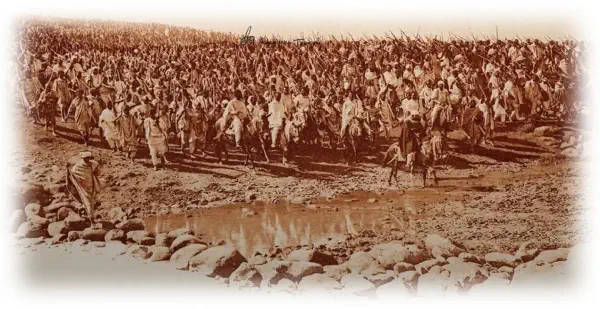
Africa Lost Sovereignty – Part 3: The African Caesars Who Fought Alone
·3243 words·16 mins
The Ethiopian army had not merely won. It had annihilated a European force in open field, something no other African army had achieved. The victory secured Ethiopian sovereignty for the next four decades and made Menelik a hero across the black world.
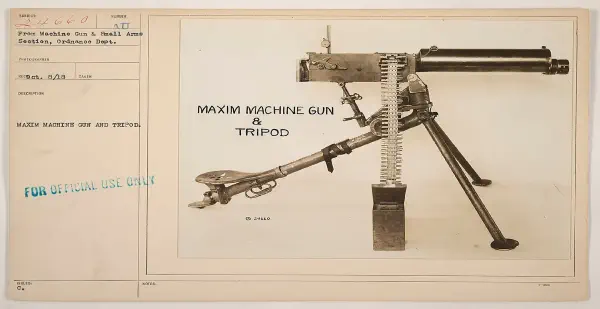
Africa Lost Sovereignty – Part 2: The Maxim Gun and the Tax Collector
·3526 words·17 mins
Much of the conquest was outsourced to limited-liability companies whose directors sat in boardrooms in the City of London, the Bourse, and the Brussels Bourse. These companies raised their own armies, signed their own treaties, collected their own taxes, and dispensed their own justice.
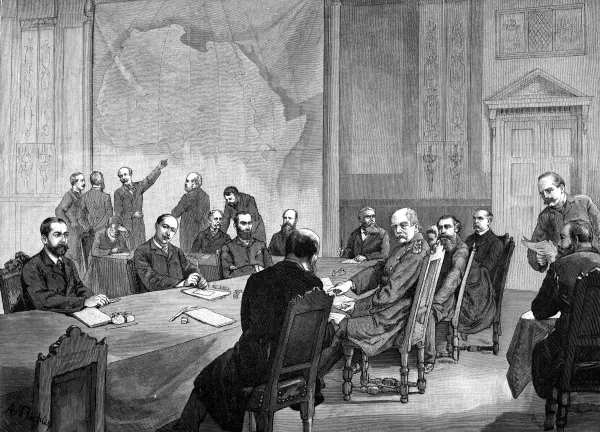
Africa Lost Sovereignty – Part 1: The Mapmakers Who Never Left London
·3393 words·16 mins
The treaties that made the conquest of Africa possible were, in Lugard's own words, 'utter fraud.' Yet they were accorded full diplomatic recognition by every European chancellery.