Sustainability and Future

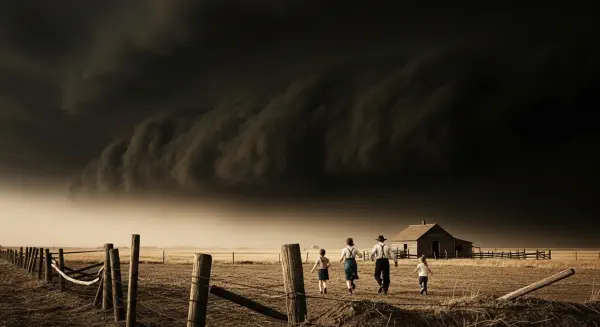
The Soil Bank – Part 3: The Underground Economy

Quantifies the biological economy of productive topsoil — one billion bacteria and 25,000 nematodes per teaspoon — and traces what industrial tillage systematically destroys in the soil infrastructure that agriculture depends on.

The Geoengineering Ledger

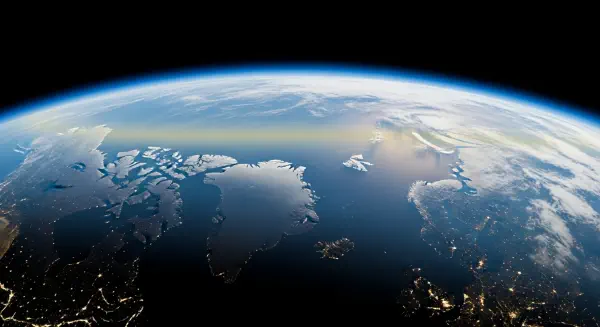
Proposed deliberate climate interventions — principally stratospheric aerosol injection — would modify the atmosphere intentionally, at scale, with substantial but unequally distributed climate effects. The Intervention Leverage Index measures the ratio of cooling benefit per unit of aerosol deployed against the probability of adverse regional precipitation disruption — and reveals why the most effective emergency lever humanity possesses is also the most politically ungovernable.

The Geoengineering Ledger – Part 4: The Governance Gap

Surveys the complete absence of international governance for climate geoengineering: no treaty, no authorising institution, no compensation framework — despite the US National Academies recommending a research programme in 2021.

The Geoengineering Ledger – Part 3: Whose Monsoon Is It?

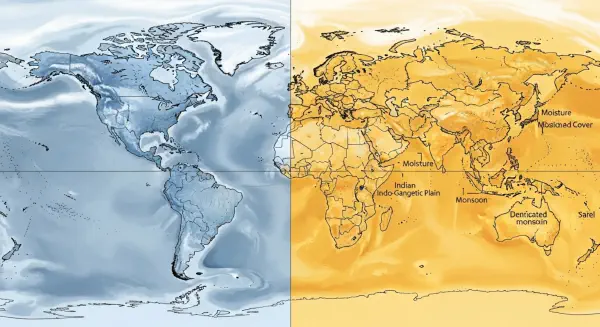
Documents modelling evidence that northern-hemisphere SAI reduces African and Asian monsoon rainfall by 5–10%, affecting the food security of 2.4 billion people in countries that are not among those most likely to initiate deployment.

The Geoengineering Ledger – Part 2: The Moral Hazard Machine

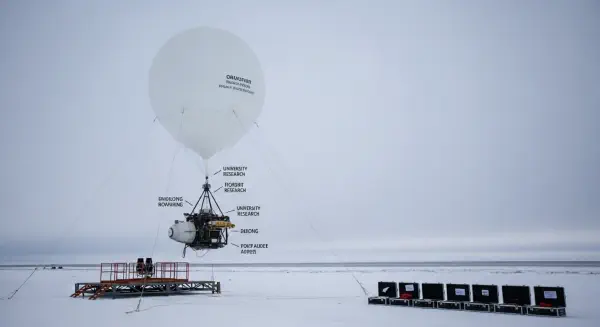
Examines the SCoPEx cancellation and the Saami Council objection as a case study in the governance vacuum, demonstrating that no existing institution has the authority to authorise, regulate, or compensate for the effects of deliberate climate intervention.

The Geoengineering Ledger – Part 1: The Emergency Lever

Uses the 1991 Pinatubo eruption as a natural analogue to introduce stratospheric aerosol injection, establishing the Intervention Leverage Index and the asymmetry between its cooling capacity and its governance requirements.

The Water Ledger

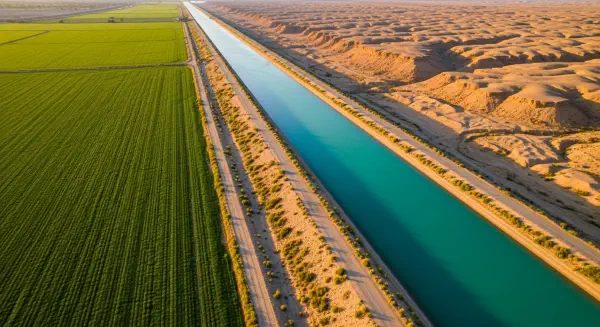
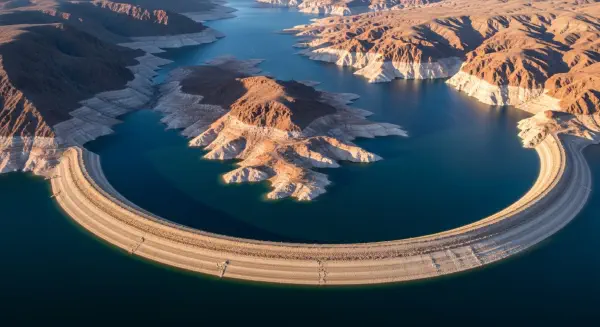
Freshwater is the binding physical constraint on food production, population geography, and geopolitical stability — yet most of it is priced at zero, measured poorly, and allocated by nineteenth-century law. The Water Productivity Gap quantifies how far below maximum efficiency the world operates, and what the gap means for a planet of 10 billion.

The Water Ledger – Part 4: Pricing the River

Examines the governance architecture of water — nineteenth-century law, political seniority allocation, and sub-economic pricing — against the arithmetic of transboundary conflict, desalination economics, and governed commons.