Sustainability and Future

The Ocean Economy

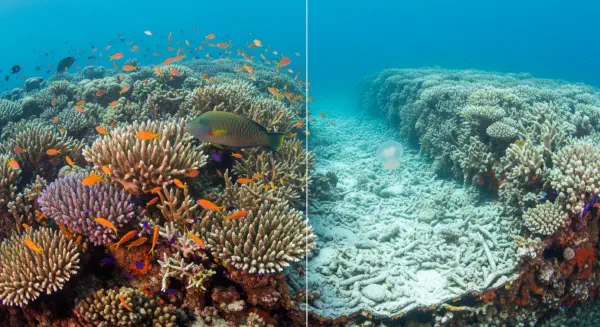
The ocean generates more economic value annually than it extracts — but it earns its revenue in services that go unpriced while its losses are recorded in fish landings and mineral royalties. The Marine Extraction Ratio compares what we take from the ocean to what the ocean generates for us, and reveals why the accounting gap is the engine of overfishing, acidification, and the now-imminent expansion of deep-sea mining.
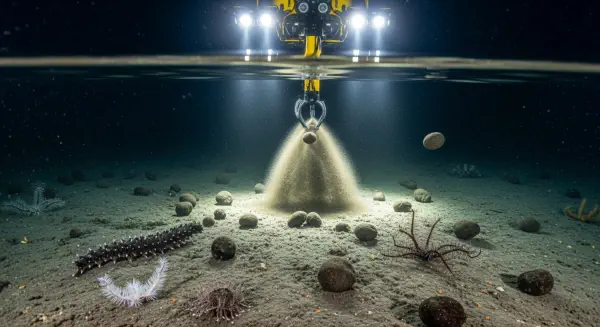
The Ocean Economy, Part 4: The Floor Below the Floor

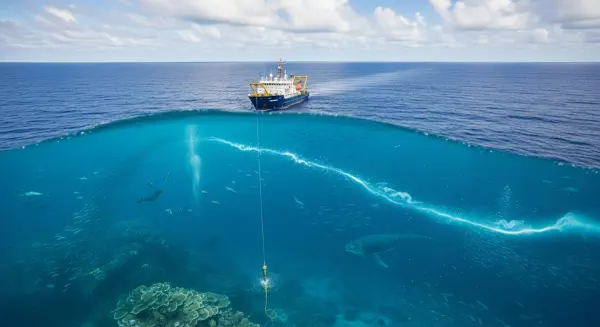
Examines deep-sea mining proposals against the Marine Extraction Ratio, documenting that the ISA has licensed exploratory access to seabed ecosystems whose service value dwarfs the mineral value being extracted — with no agreed authority to approve the transaction.

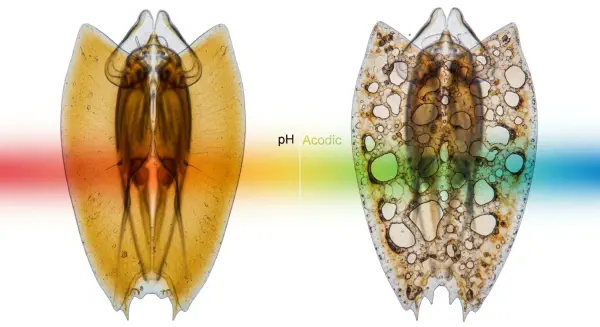
The Ocean Economy, Part 3: The Acid Account

Quantifies the economic cost of ocean acidification by tracing a 30% acidity increase against the calcium carbonate-dependent ecosystem services it is progressively destroying — a cost that has never been formally entered into any national balance sheet.

The Ocean Economy, Part 2: The Cod That Wasn't There

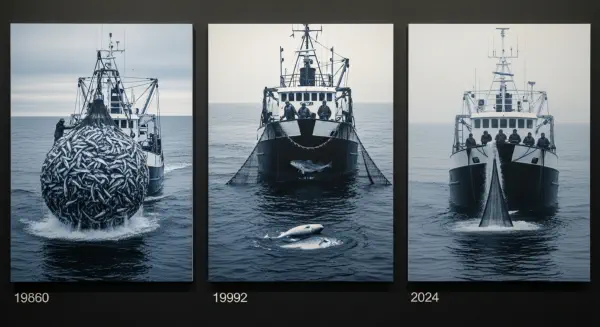
Reconstructs the arithmetic of the 1992 Northwest Atlantic cod collapse — visible decades before the moratorium — and applies it to current fishery dynamics to assess where the Marine Extraction Ratio is approaching comparable thresholds.

The Biodiversity Budget

More than half of global GDP depends on nature. The annual public and private investment in protecting that nature is measured in tens of billions. The ratio between what the economy extracts from biodiversity-supplied services and what it invests in their maintenance defines the Ecosystem Dependency Ratio — and the number reveals that the global economy runs a biodiversity subsidy at a leverage ratio that would make any corporate finance officer blanch.

The Biodiversity Budget, Part 4: Pricing Nature Before It Disappears

Audits the Kunming-Montreal 30×30 framework, TEEB offsets, and debt-for-nature swaps against the financing gap, demonstrating that the governance architecture exists but investment remains orders of magnitude below what closing the Ecosystem Dependency Ratio would require.

The Biodiversity Budget, Part 2: The Sixth Extinction Rate

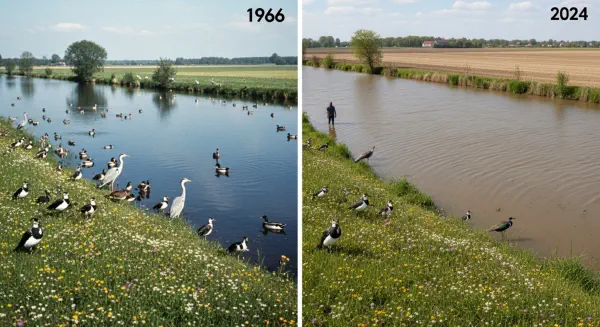
Applies the Ecosystem Dependency Ratio to documented species loss rates, showing that the IPBES-tracked decline of 1 million species is occurring while biodiversity investment remains orders of magnitude below the dependency it is supposed to finance.

The Biodiversity Budget, Part 1: The Services You Never Invoiced For

Traces the contested Costanza ecosystem service valuation and establishes the Ecosystem Dependency Ratio showing that the global economy extracts 340–1,300× more value from nature than it invests in its protection.