A critical analysis of how the green energy transition is creating new forms of concentrated power across minerals, technology, capital, geopolitics, and social inequality.
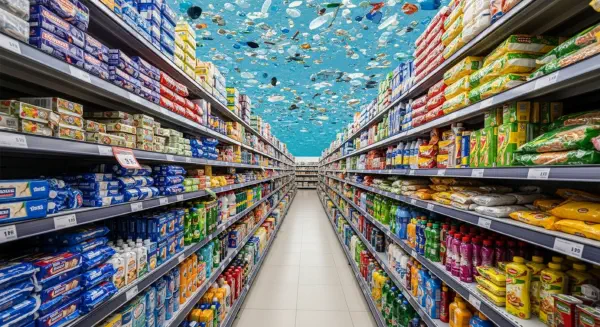
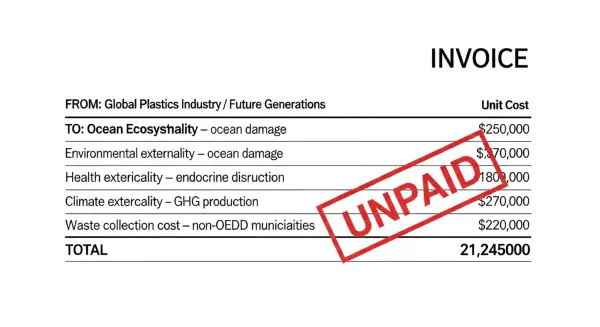
Every tonne of plastic produced carries environmental and health costs that no producer has ever paid. The Plastic Cost Coverage Ratio compares what producers actually pay to the full external cost their production imposes on the environment and on human health — consistently between 0.01 and 0.05, meaning plastic producers capture less than five cents in environmental liability for every dollar of damage their products create.
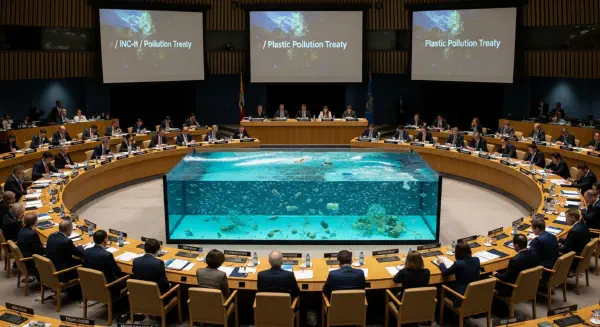
Audits the EU Plastics Strategy, Extended Producer Responsibility regimes, and the UN Global Plastics Treaty INC process against the Plastic Cost Coverage Ratio, demonstrating the gap between policy ambition and industrial accountability.
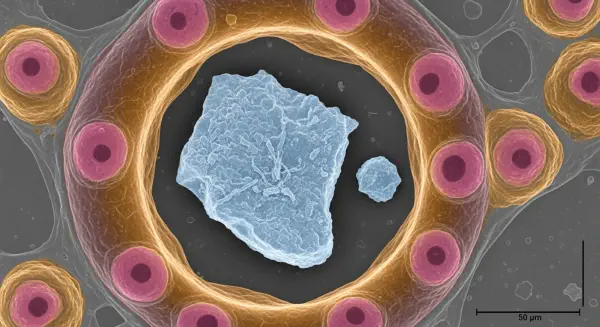
Documents the discovery of microplastics in human blood (2020) and nanoplastics in human brain tissue (2023), and applies precautionary arithmetic to the incomplete and contested epidemiology of plastic particle health effects.
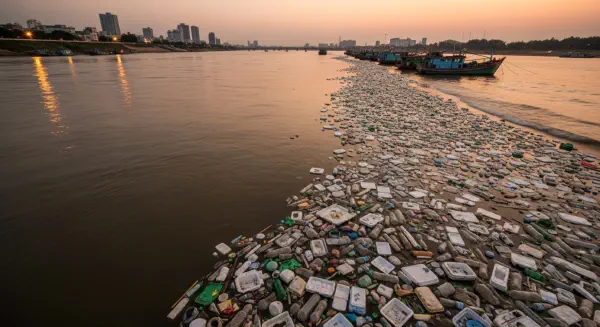
Maps the source geography of ocean plastic flows — which rivers, countries, and economic conditions deliver the most plastic to the sea — and traces the geopolitical structure of the Plastic Cost Coverage Ratio's geography.
Introduces the Plastic Cost Coverage Ratio and applies it to the Ellen MacArthur Foundation data showing that plastic producers capture less than 5 cents in liability for every dollar of environmental damage their products create.