Sustainability and Future

The Arithmetic of Decarburization - Part 4: Winning the Heat War: Insulating Our Way to Sustainable Warmth

The Thermal Sector: A Hidden Giant # Heating and cooling buildings accounts for approximately 27.2% of final energy consumption in industrialized nations. In Austria, this amounts to roughly 300 PJ annually—most of it provided by natural gas, oil, and biomass. Unlike transport, where complete decarbonization requires entirely new vehicle technologies, the thermal sector can be addressed through a combination of demand reduction and efficiency improvement.

The Arithmetic of Decarburization - Part 3: The Electric Drive: Calculating the Efficiency Revolution in Surface Transport

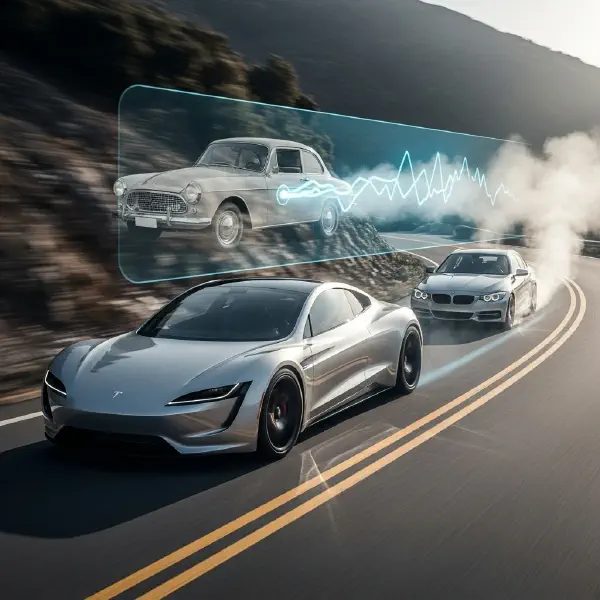
Transport: The Hard-to-Decarbonize Sector # Transport accounts for about one-third of final energy consumption in most industrialized economies, and it remains overwhelmingly dependent on petroleum fuels. In Austria, the transport sector consumed 361 PJ in 2020—virtually all from oil-derived fuels. Decarbonizing transport is therefore essential to any serious climate strategy. But which technology pathway makes the most sense from a physics standpoint?

The Arithmetic of Decarburization - Part 2: The Red Truth: Quantifying the Hidden Energy Appetite of Affluent Life

The Baseline: Human Energy Needs # Before examining modern energy consumption, we should consider the baseline: how much energy does a human body actually need? The answer is approximately 7 MJ per day (about 2,000 kcal), assuming moderate activity. This represents the absolute minimum energy throughput required for human survival.

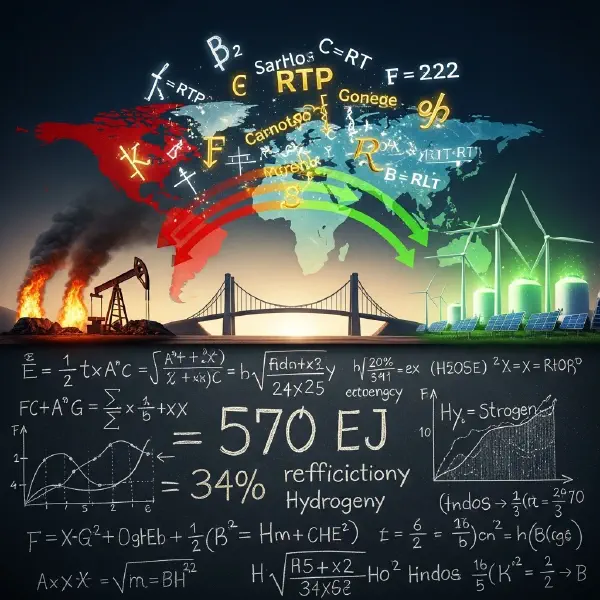
The Arithmetic of Decarburization - Part 1: The Power of Proof: Why Energy Debates Need Less Emotion and More Arithmetic

The Role of Science in the Energy Debate # If we were guided by science, there would be a lot less hot air and more informed debate around energy. Nothing in society is possible without the availability of sufficient energy. Nothing. Energy is a fundamental prerequisite of life and represents a particularly important factor of everyday life.