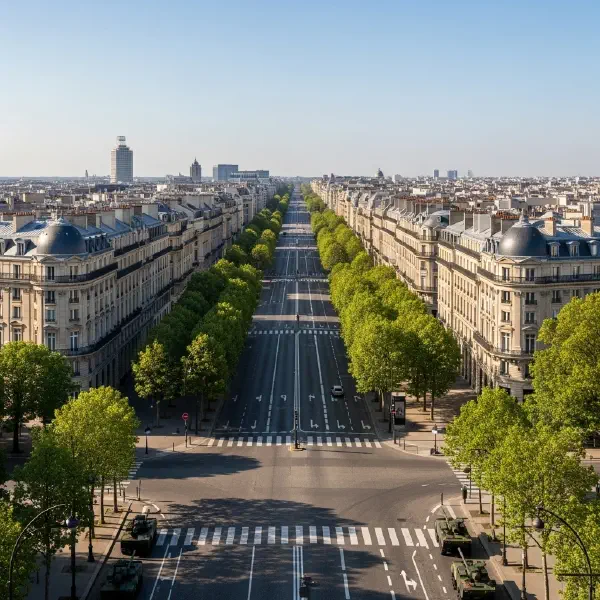
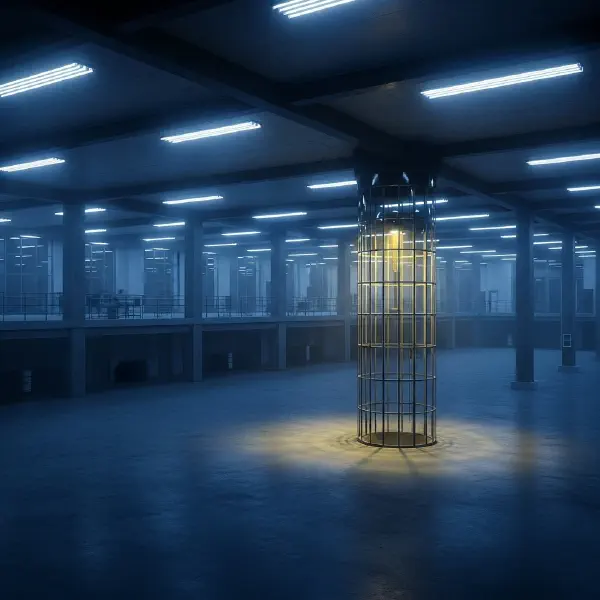
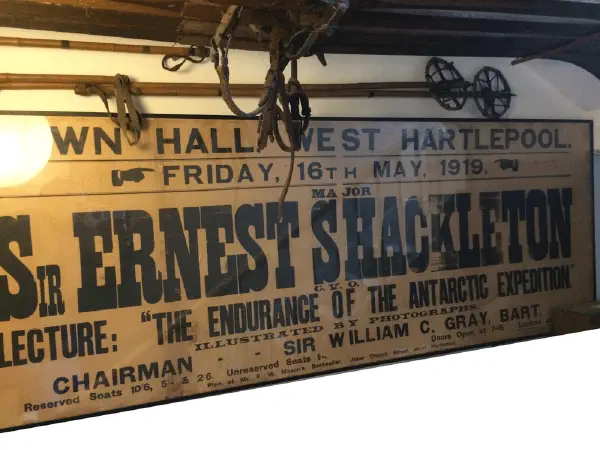
The intricate layout of city streets and architectural structures serve as material expressions of power, shaping behavior, movement, and social order. Theorists emphasize that power is relational and spatial, working by shaping behavior and limiting freedom through the specific organization of space. Urban design f...
The spaces humans inhabit profoundly shape behavior and psychological states, often working silently beneath our conscious awareness. Beyond utility, the environment communicates with its occupants, influencing emotional weight, focus, and security,. The layout of a room, the quality of light, and the texture of mat...
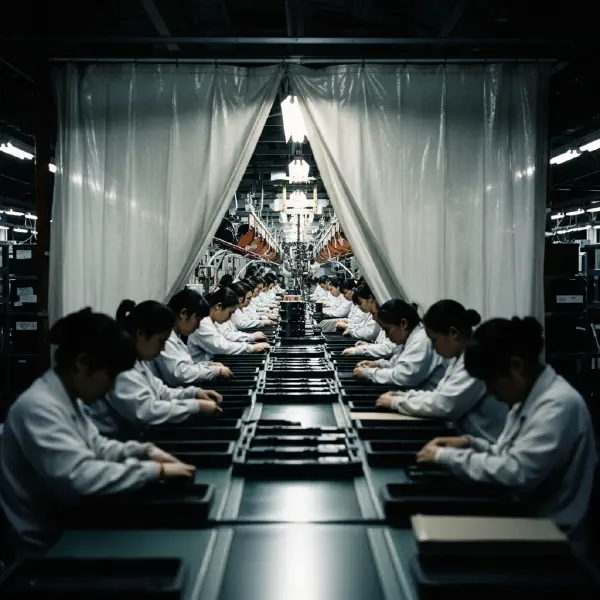
The contemporary quest for productivity often relies on a "gospel of transparency," assuming that continuous and accurate observability of work activities is the foundation for both operational control and organizational learning,. Organizations frequently implement visible systems like open workspace designs or rea...
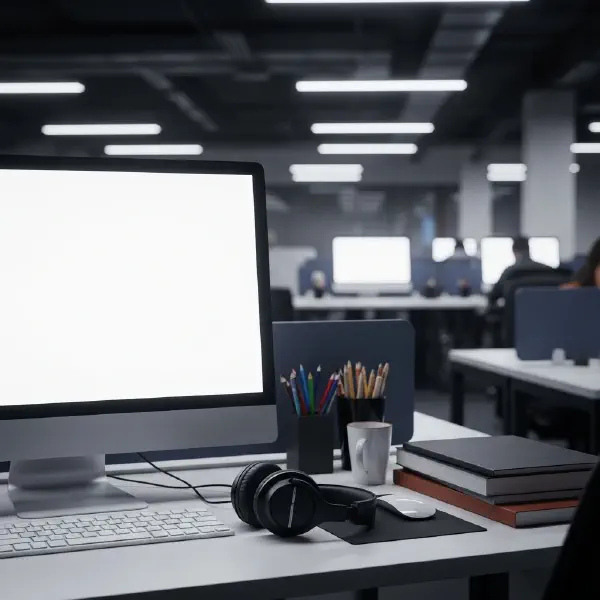
The open-plan office is often presented as the embodiment of modern organizational virtues, promising collaboration, creativity, and egalitarianism. This design, however, frequently delivers the opposite results, cultivating distraction, anxiety, and a debilitating pressure to appear productive. The shift away from ...