Human Systems and Behavior

The FDI Plantation – Part 4: The Path Forward – Rejecting the Plantation Model

The previous three parts have traced a grim continuity: from colonial plantations to Mexico’s IMMEX program to the special economic zones of Vietnam, Bangladesh, Ethiopia, and beyond. In each case, foreign capital gains access to cheap labour, tax breaks, and unrestricted profit repatriation, while the host country receives low‑wage jobs but little industrial deepening. This is not development; it is extraction.
The FDI Plantation – Part 3: The Global Reach - Vietnam, Bangladesh, Cambodia, and Beyond

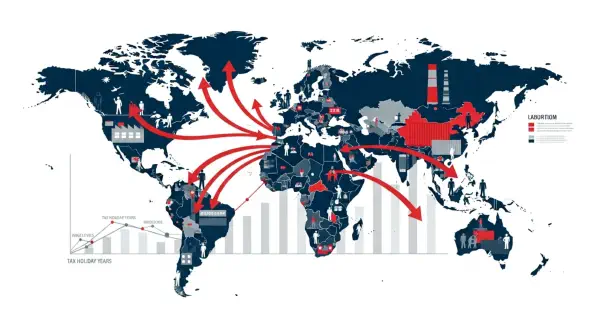
The Mexican IMMEX model did not emerge in isolation. It is one variant of a global policy template promoted by international financial institutions, bilateral donors, and development agencies since the 1980s. Today, dozens of countries operate Special Economic Zones (SEZs) and export‑processing zones (EPZs) that offer foreign investors the same deal: duty‑free imports, tax holidays, weak labour protections, and unrestricted profit repatriation. In exchange, they receive jobs – but rarely the kind of industrial deepening that builds self‑sustaining economies.

The FDI Plantation – Part 2: The Modern IMMEX Model - The Plantation Reborn

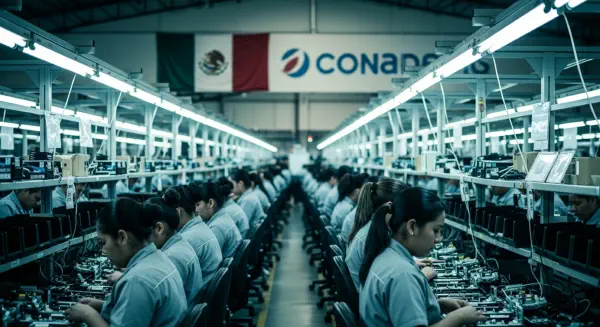
If the colonial plantation was the original extraction machine, Mexico’s IMMEX (Industria Manufacturera, Maquiladora y de Servicios de Exportación) program is its most sophisticated 21st‑century descendant. Launched in 2006 as a successor to the earlier maquiladora scheme, IMMEX now encompasses over 3,000 plants, employs more than 1 million workers, and accounts for roughly half of Mexico’s exports. Yet the economic structure remains eerily familiar: foreign ownership, low wages, minimal local value‑added, and a legal framework designed to repatriate profits rather than reinvest them.

The FDI Plantation – Part 1: The Colonial Blueprint - How the Plantation Economy Worked

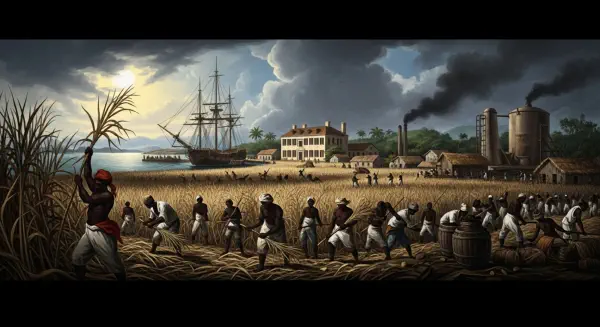
The modern enthusiasm for Foreign Direct Investment (FDI) in developing countries often overlooks a troubling historical precedent. Before the era of global supply chains and special economic zones, there was the colonial plantation system. For centuries, European powers established enclave economies in Asia, Africa, and the Americas designed for one purpose: extraction.