

️Vehicle Engineering & Lifecycle Design
The Line That Changed the World: Unpacking the Ford Model T's Century of Influence
·1450 words·7 mins
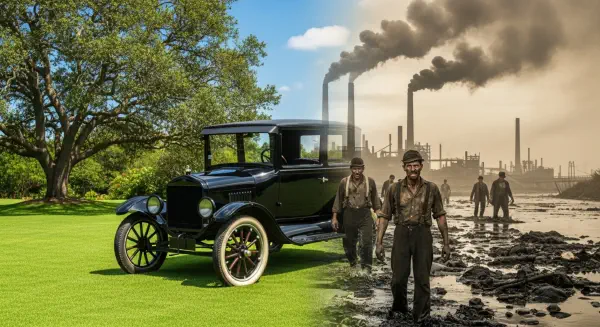
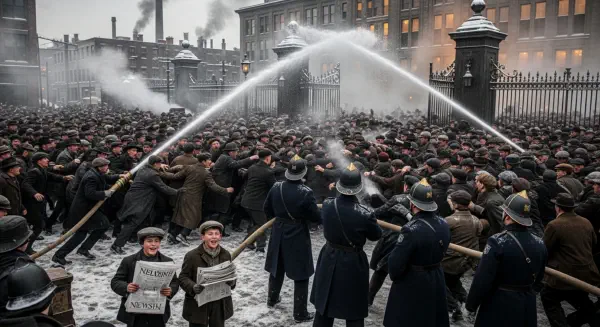
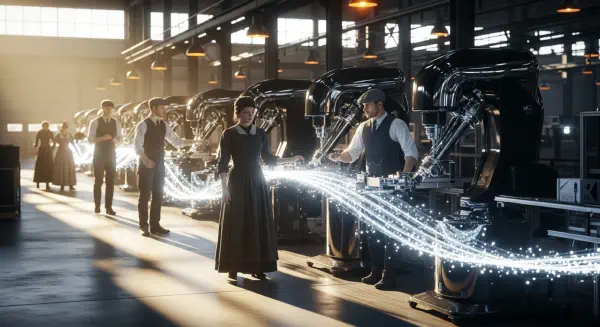
This series traces how the Ford Model T's moving assembly line reshaped not just the automotive industry but the very structure of modern industrial society, exploring its economic logic, social consequences, and technological legacy across 100 years of evolution.
The Socialist Car: How Eastern Bloc Cars Shaped the Cold War
·321 words·2 mins
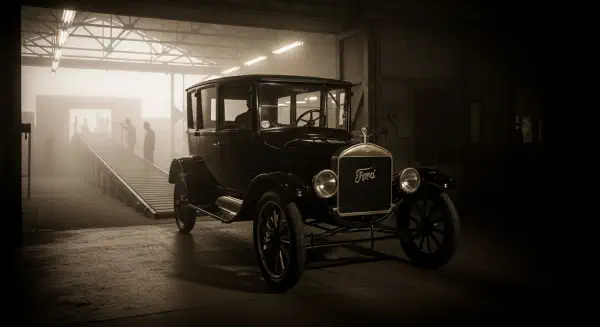
A four-part series examining the political, economic, and cultural dimensions of the Socialist Car—from the plastic bodies of the Trabant to the hierarchical engineering of Soviet vehicles—revealing how the automobile became a contested symbol of ideological competition.
The Socialist Car – Part 4: From Icon to Relic—The Afterlife of the Socialist Car
·1347 words·7 mins
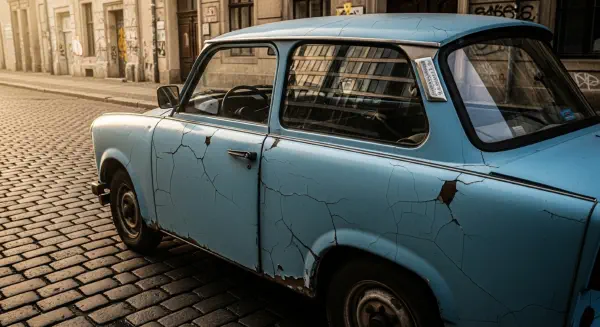
Examines the cultural trajectory of Eastern Bloc cars after 1989—from objects of ridicule to symbols of Ostalgie. Argues that their transformation reveals as much about post-Cold War identity politics as about the cars themselves.
The Socialist Car – Part 3: Engineering Under Constraint
·1431 words·7 mins
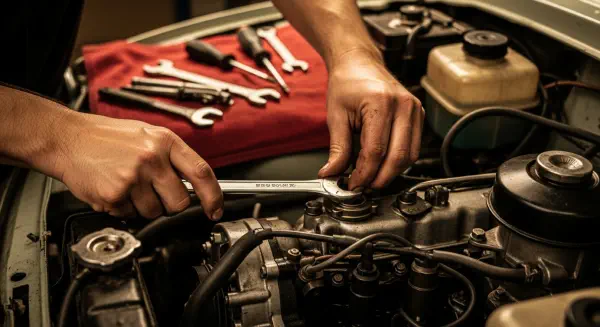
Investigates the technical choices that defined Eastern Bloc automotive engineering: the two-stroke engine, the Duroplast body, and the resistance to planned obsolescence. Shows how design trade-offs reflected deeper systemic contradictions.
The Socialist Car – Part 2: The Socialist Car as a System of Scarcity
·1315 words·7 mins
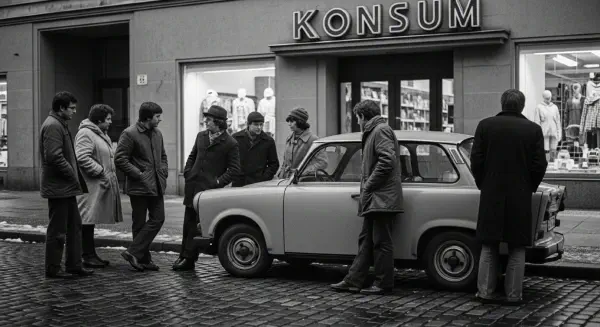
Analyzes how the planned economy shaped ownership and distribution of cars in the Eastern Bloc—from the infamous waiting lists of the GDR to the privileged allocation systems in Poland and Hungary. Uncovers how scarcity created its own logic of exchange and value.
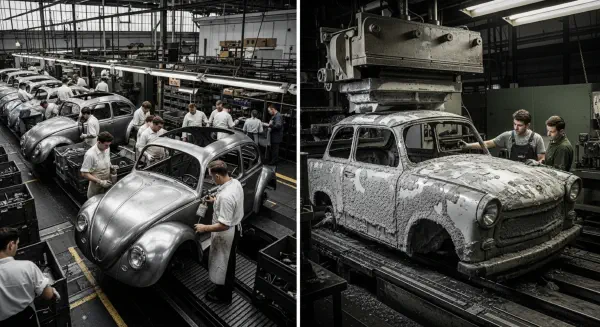
The Socialist Car – Part 1: Plastic, Steel, and the Two Germanies
·1241 words·6 mins
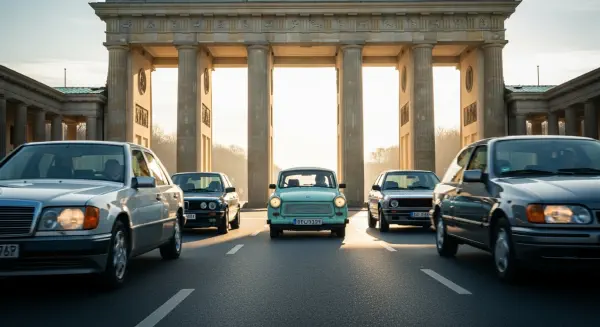
Explores the divergent paths of West and East Germany through their iconic cars: the Volkswagen Beetle and the Trabant. Examines how material shortages, political ideology, and consumer expectations forged two radically different automotive cultures on either side of the Wall.