The Weight of Power
Key Insights#
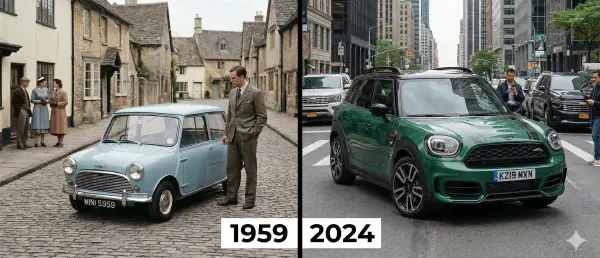
- The CAFE standards’ footprint rule created incentives for automakers to build larger vehicles to meet easier fuel economy targets, leading to systematic escalation in vehicle size and mass.
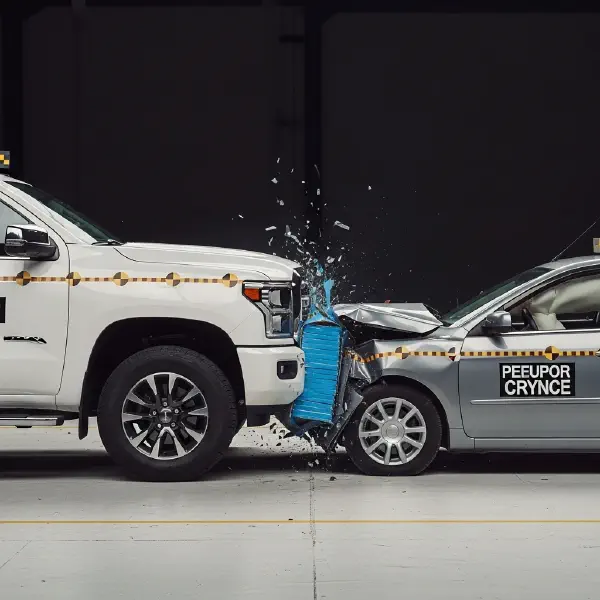
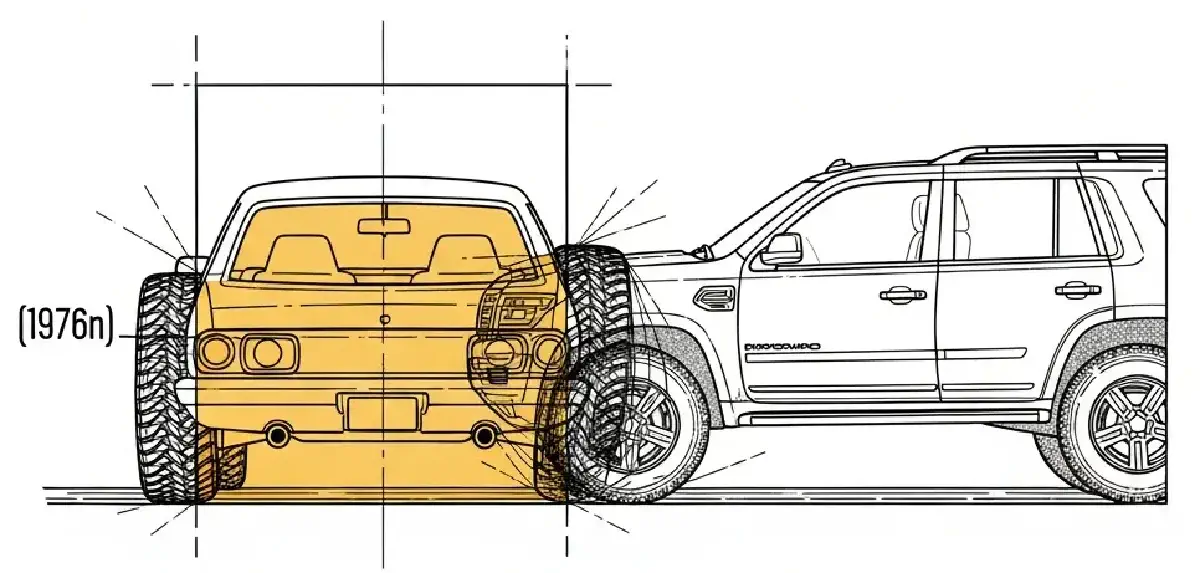
- Vehicle incompatibility in crashes disproportionately increases fatality risks for occupants of smaller vehicles and pedestrians, as heavier vehicles override safety structures.
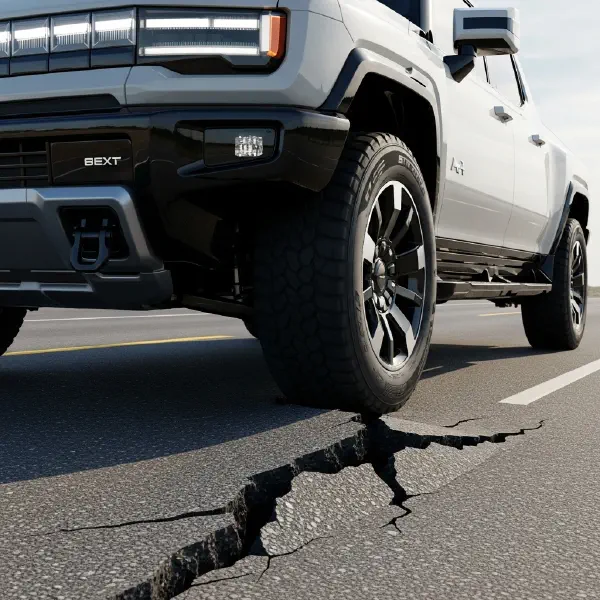
- The exponential relationship between vehicle weight and road wear means modern heavy vehicles inflict disproportionate damage on infrastructure, socialized as public costs.
- The shift to electric vehicles has not reduced the trend toward mass; instead, battery weight has enabled even heavier vehicles, compounding environmental and safety issues.
References#
- National Highway Traffic Safety Administration. (2020). CAFE Standards for Model Years 2021-2026. U.S. Department of Transportation.
- Insurance Institute for Highway Safety. (2023). Vehicle size and weight. Status Report, 58(4).
- American Society of Civil Engineers. (2021). Infrastructure Report Card: Roads. ASCE.
- National Academies of Sciences, Engineering, and Medicine. (2016). The Fourth Power Law: How Vehicle Weight Affects Pavement Damage. In Critical Issues in Transportation.
- Consumer Reports. (2023). Front Blind Zone Tests Reveal Danger to Pedestrians.
- Environmental Protection Agency. (2023). The Automotive Trends Report: Greenhouse Gas Emissions, Fuel Economy, and Technology since 1975.
- Gohlke, D., & Zhou, Y. (2022). Weight, Power, and Safety: A Preliminary Assessment of Electric Vehicles. Argonne National Laboratory.
- Banzhaf, H. S., & Lavery, N. (2019). Can the New Fuel Economy Standards Help Us Live Longer? Journal of Health Economics, 68.
- International Energy Agency. (2022). Global EV Outlook 2022.
- Platchkov, L. M., & Pollitt, M. G. (2011). The Economics of Electric Vehicles. The Energy Journal, 32(4).