
The Fluidity of Storytelling#
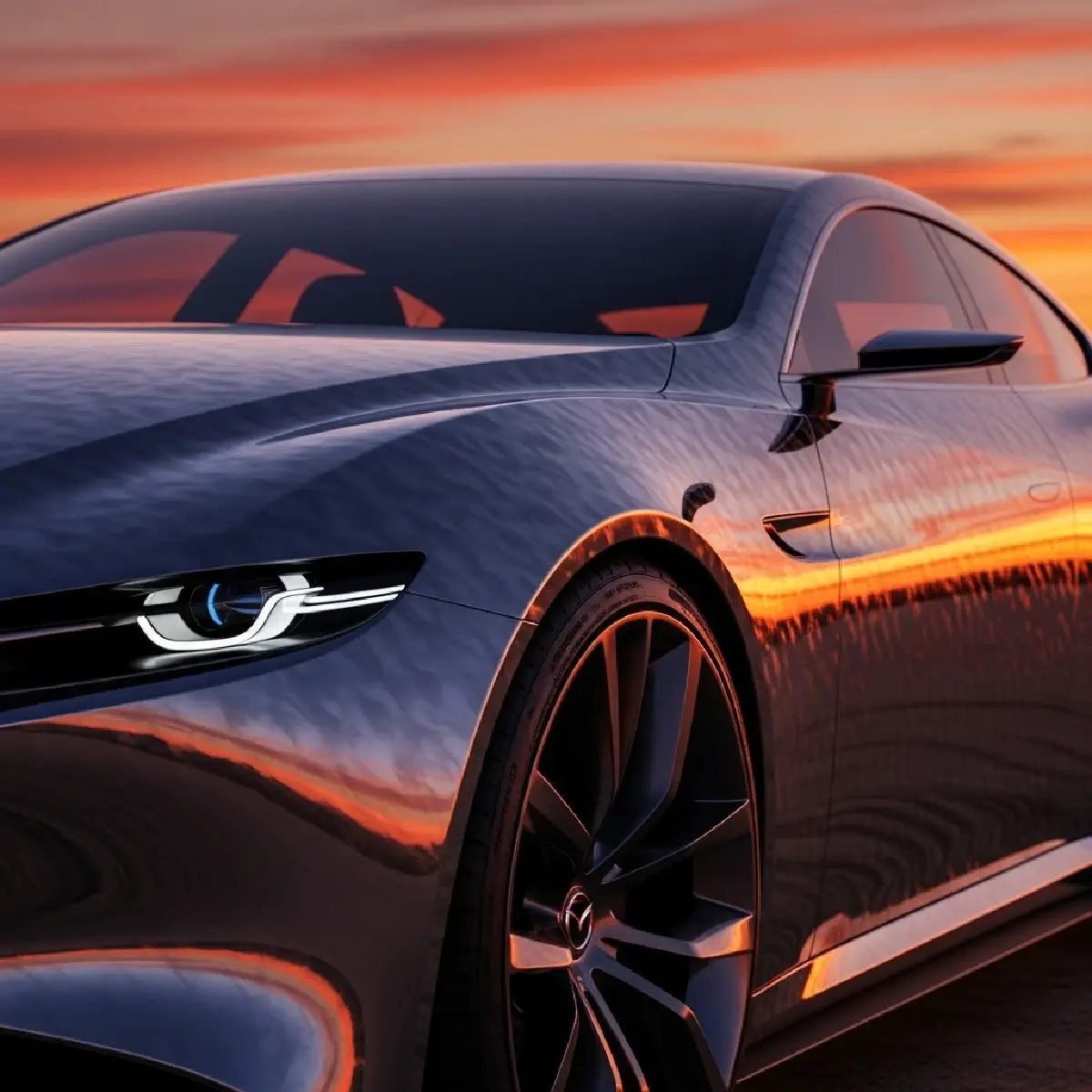
A narrative in the design process is more than a spoken account; it is a visual means of organizing functional and emotional attributes to maximize meaning for the user. In 2006, Mazda introduced the “Nagare” DNA—the Japanese word for flow—taking inspiration from wind-shaped sand and water-carved stone to communicate power and efficiency. This aesthetic language evolved through concept cars like the Ryuga and Taiki, eventually culminating in the Furai, which unified unique textures with high-performance technical functions. By using storyboards to map out “intended usage,” designers concentrate their energy on illustrating why an idea is used before a single line is sketched. This stage marks the transition of a project from a technical exercise to one that possesses a true human element and motive.
The Thesis of Narrative Motivation#
The central claim of this analysis is that humans are psychologically hard-wired to remember stories more easily than numbers or equations, meaning a vehicle must follow a “script” for the user to truly enjoy the experience. This matters because without a coherent narrative, even a technically superior product will fail to resonate with the deep-seated emotional triggers of the consumer.
The Mechanism of the Design Brief#
The design brief functions as a mission statement for a specific project, succinctly clarifying goals regarding budget, timing, and aesthetic assumptions. It must align the project with the brand’s corporate vision, such as Mazda’s “Celebrate Driving,” which promises confidence and pride beyond mere performance. A robust brief identifies available technical resources and specifies a “margin for deviation” for engineers to work within. It acts as a conceptual compass, safeguarding against the delays and miscommunications that plague large, complex vehicle development teams. Fidelity to this brief is what separates an iconic product from an eyesore, as a well-followed script ensures the final result honors the brand’s promise to the user.
The Crucible of Archetypal Context#
Designers often rely on the work of psychologists like Carl Jung to decode the “collective unconscious” and the 12 key archetypes that dominate human personas. Users who embody the “Rebel” archetype, for instance, are drawn to aggressive, tough designs that set themselves against the status quo. This is complicated by the “Three Common Tensions” of vehicle energy: the aggressive versus the sexual (Thanatos vs. Eros), the dark versus the light (Spiritual Energy), and chaos versus order (Physical Energy). Because we subconsciously believe vehicles are “alive” due to their independent movement, these tensions create the emotional triggers that connect machines to people. Furthermore, designers must navigate different generational tendencies, where a “Baby Boomer Explorer” requires a radically different narrative than a “Gen Y Caregiver”.
The Cascade of Brand Fidelity#
When a narrative is not true or coherent, it loses its ability to seduce and may create aversion if it leans too heavily into “dark” archetypal fears. Mazda’s motorsports success provides a case study in coherence, where the brand maintains a 53% market share in amateur racing because its street cars deliver on the “Jinba Ittai” experience—the oneness between driver and machine. In contrast, a brand that fails to adjust to evolving user needs loses its trust, which is the foundation of any relationship. The impact of poor storytelling is visible in “ugly” vehicles that result from flawed briefs or a lack of discipline in following them. Conversely, successful storytelling through concept cars like the LM 55 extends a brand’s soul to new generations of virtual gamers.
The Synthesis of Contextual Clarity#
To deliver emotionally meaningful experiences, designers must have absolute clarity regarding the world we live in, the customer’s motivations, and the design concept itself. We must see the world today as if it were the first day we arrived on Earth, unencumbered by the filters of the past. The customer can never tell a designer exactly what to create, but their dreams of the aspirational self provide the blueprint for the designer’s vision. As we move toward zero emissions and autonomy, the challenge is keeping the passion in the product rather than designing the “best compartment for a La-Z-Boy”. Designers must act as the caretakers of a single vision, curating alignment within a team to ensure the finished result is consistent and emotionally enriching. The engine of design is narrative, and the next step is to give that story its physical architecture.