Sheet-Metal Sorcery: The Strategic Architecture of Transportation Design
Key Insights#
- Vehicle design is a calculated synthesis of personal vision, business viability, and deep empathy for user emotional journeys, where success often addresses “latent needs” customers don’t yet know they possess.
- Narrative and brand fidelity are psychologically hard-wired into human memory, making coherent storytelling essential for transforming technical superiority into emotional resonance with consumers.
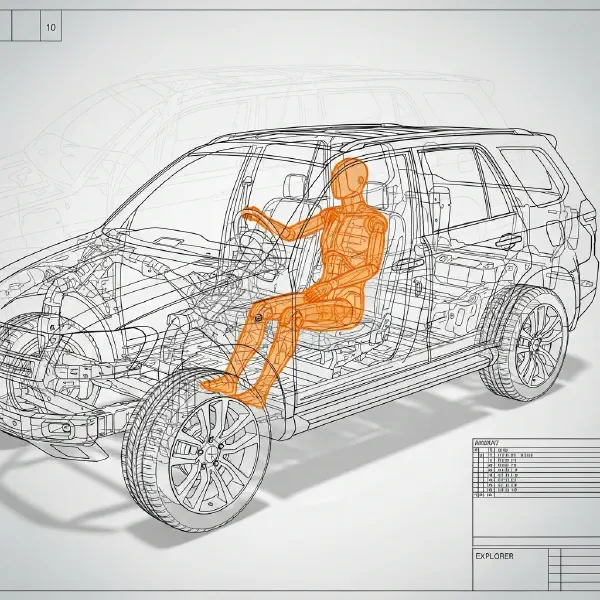
- The H-point (hip point) architecture is foundational to vehicle proportions, determining both the mechanical success and the first visual impression that communicates “affordance” to users.
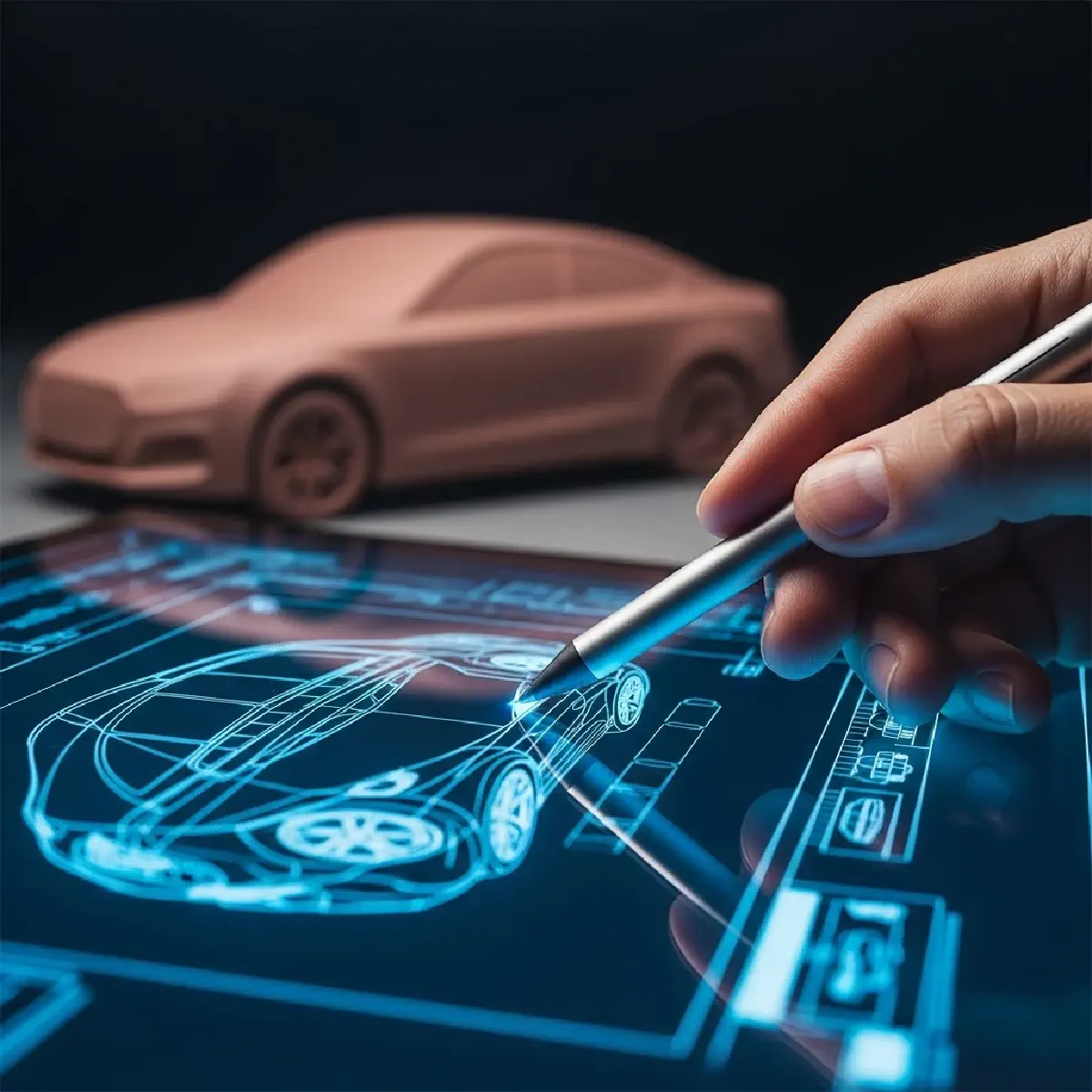
- The modeling loop—from 2D sketching through virtual 3D development, CNC milling in clay, and handwork refinement—is where theoretical concepts are validated against physical reality and manufacturing feasibility.
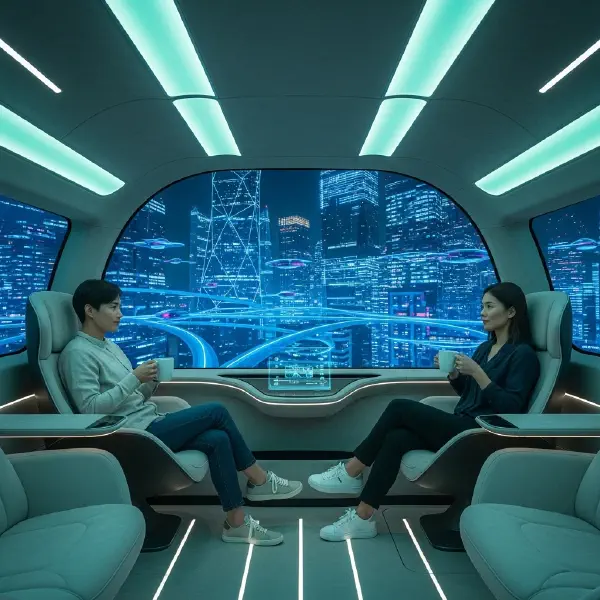
- Autonomous mobility represents a paradigm shift that eliminates steering wheels, center consoles, and traditional constraints, forcing designers to rethink ingress, seating arrangements, and the entire user experience of transportation.
References#
- Meadows, J. (2018). Vehicle Design: Aesthetic Principles in Transportation Design. Routledge.