
The Fracture Points: When Automotive Systems Fail
Key Insights Across the Series#
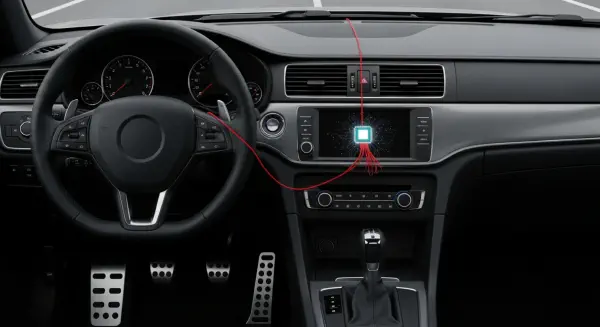
- Integration Creates Systemic Fragility: The modern automobile’s deeply integrated digital architecture eliminates mechanical redundancies, transforming a local component failure into a potential system-wide seizure of primary controls. Efficiency has been traded for resilience.
- Global Supply Chains are Contagion Networks: The lean, just-in-time, and hyper-concentrated automotive supply chain is optimized for cost and efficiency, not stability. A disruption at a single chokepoint (a chip fab, a battery material processor) propagates instantly and globally, paralyzing production.
- Infrastructure Dictates and Locks In Dependency: Massive sunk investments in roads, parking, and fueling ecosystems create overwhelming political and economic inertia—an “infrastructure trap.” This spatial and financial lock-in stifles alternatives and makes societies exquisitely vulnerable to any failure within the automotive system itself.
- Fail Cascade Across Interdependent Systems: The automotive system is not isolated. It is tightly coupled with the electrical grid, digital networks, and global logistics. A failure in one (a blackout, a cyberattack, a port closure) triggers immediate, catastrophic failures in the others, creating society-scale crises.
- Vulnerability is Socially Stratified: Systemic failures disproportionately impact those in “mobility poverty”—individuals with total dependence on the fragile system and no buffer. The cascade of dependency turns logistical disruptions into humanitarian crises for the most vulnerable, amplifying social inequity.
References#
- National Highway Traffic Safety Administration (NHTSA). (2011). Technical Assessment of Toyota Electronic Throttle Control Systems. NHTSA Report.
- U.S. Department of Commerce. (2022). The Semiconductor Supply Chain: A Review of National Security Risks. Bureau of Industry and Security.
- International Energy Agency. (2021). The Role of Critical Minerals in Clean Energy Transitions. IEA Publications.
- Norton, P. D. (2008). Fighting Traffic: The Dawn of the Motor Age in the American City. The MIT Press.
- Perrow, C. (1999). Normal Accidents: Living with High-Risk Technologies. Princeton University Press.