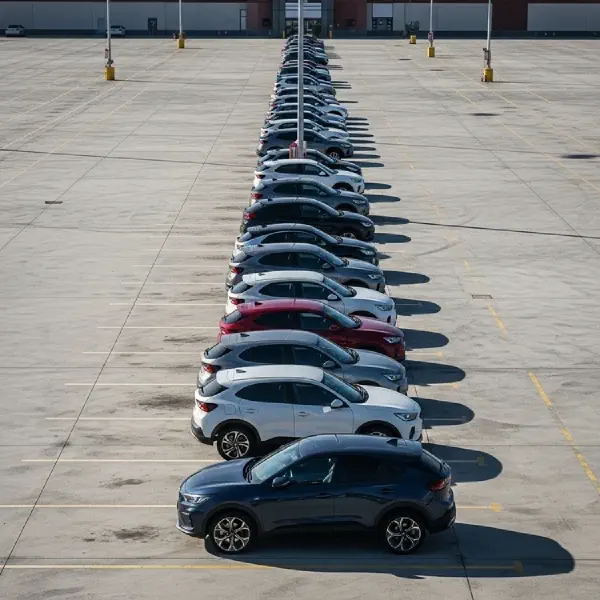
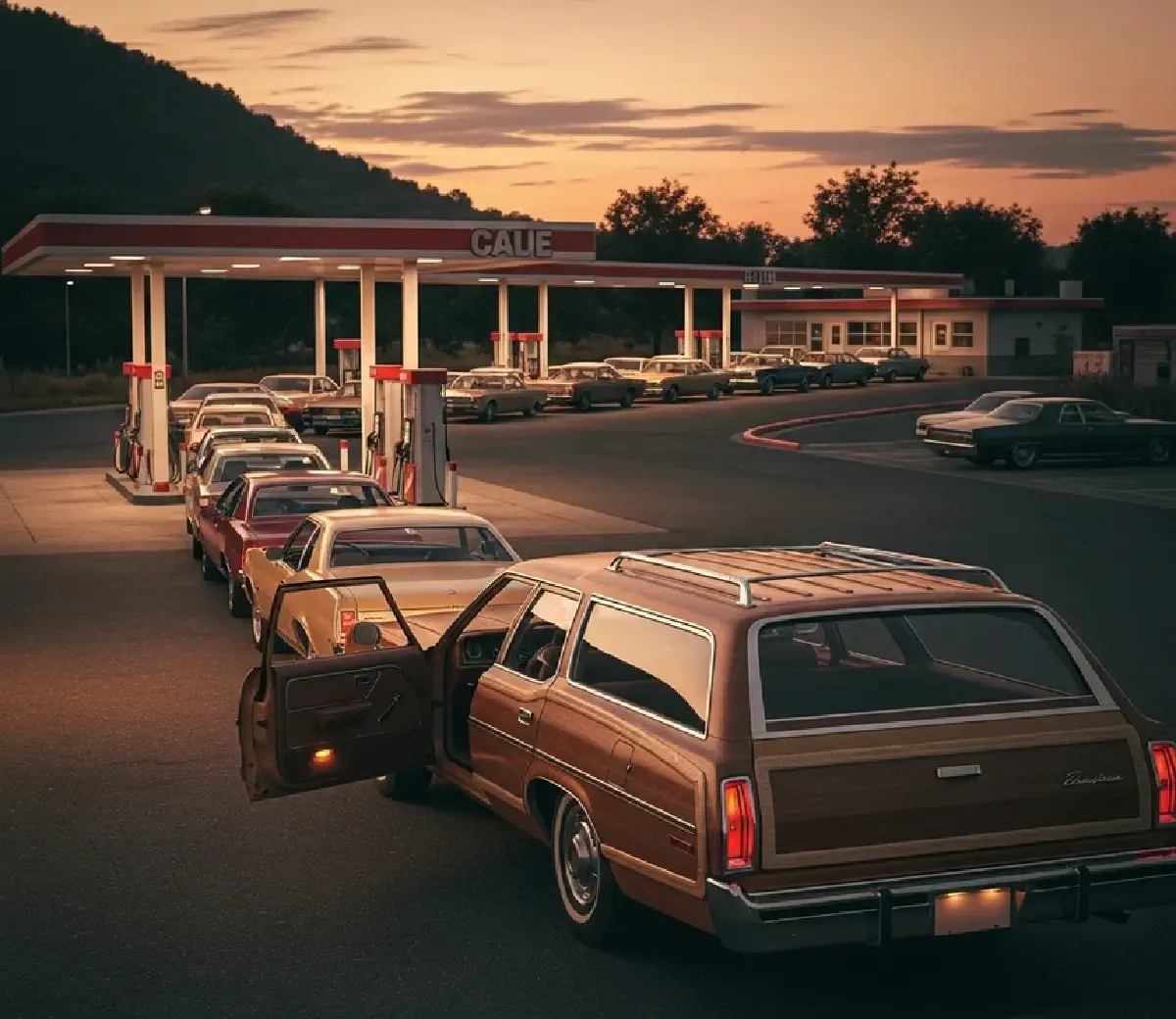
The SUV originated from a 1975 regulatory loophole in CAFE standards, allowing truck-based vehicles to evade stricter fuel economy and safety rules for passenger cars.
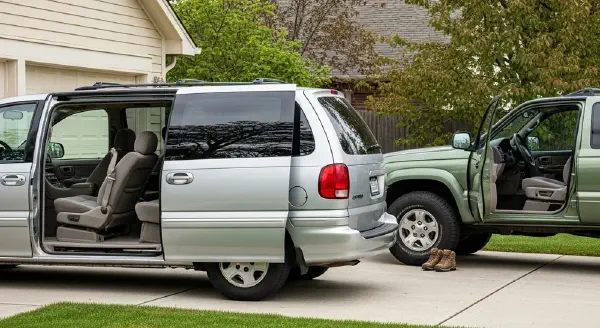
Marketing transformed the SUV from a utilitarian workhorse into a symbol of adventure and safety, fueling a mass migration from sedans and minivans.
The crossover SUV evolution completed the shift, blending car platforms with SUV aesthetics while maintaining high profit margins and contributing significantly to global CO2 emissions.
National Highway Traffic Safety Administration. (1992). An Evaluation of the 1990 Chevrolet Suburban and GMC Suburban. U.S. Department of Transportation.
White, M. J. (2004). The "arms race" on American roads: The effect of sport utility vehicles and pickup trucks on traffic safety. The Journal of Law and Economics, 47(2), 333-355.
Bento, A. M., Goulder, L. H., Jacobsen, M. R., & von Haefen, R. H. (2009). Distributional and efficiency impacts of increased US gasoline taxes. American Economic Review, 99(3), 667-99.
Davis, S. C., & Boundy, R. G. (2021). Transportation Energy Data Book: Edition 39. Oak Ridge National Laboratory.
Knittel, C. R. (2011). Automobiles on steroids: Product attribute trade-offs and technological progress in the automobile sector. American Economic Review, 101(7), 3368-99.
Gladwell, M. (2004, January 12). Big and Bad: How the S.U.V. ran over automotive safety. The New Yorker.