
The Pickup Paradox: From Farm Implement to Luxury Financial Instrument
Key Insights#
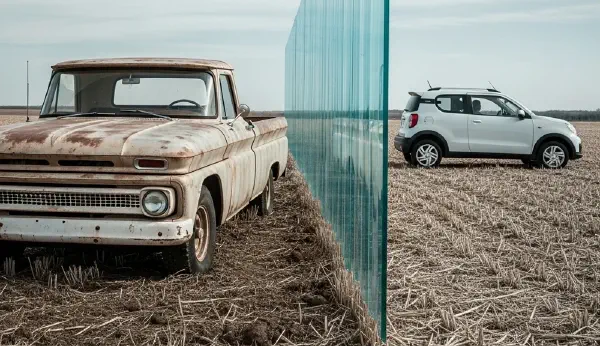
- The 1963 Chicken Tax created a protected market that allowed American pickups to evolve in isolation, prioritizing size and power over efficiency and leading to their transformation from farm tools to luxury vehicles.
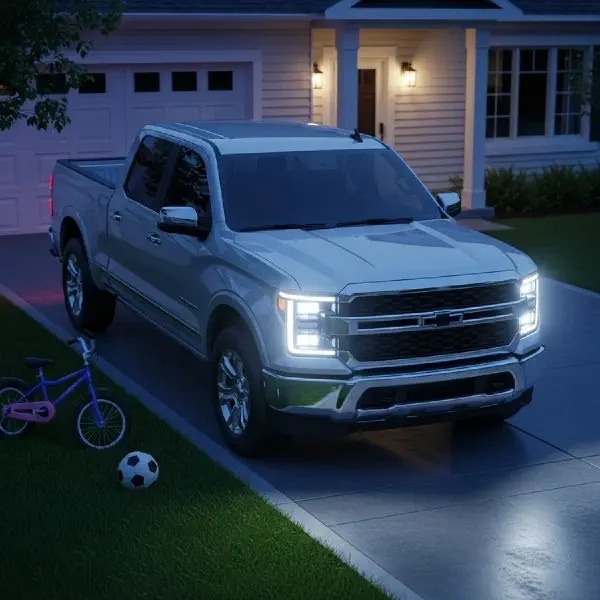
- Marketing and design shifts in the 1990s turned pickups into symbols of status and safety, fueling an arms race for larger, more luxurious models that became the profit engines of the auto industry.
- The pickup’s dominance has global ripple effects, creating safety incompatibilities, infrastructure strain, and economic distortions while subsidizing the industry’s transition to electrification.
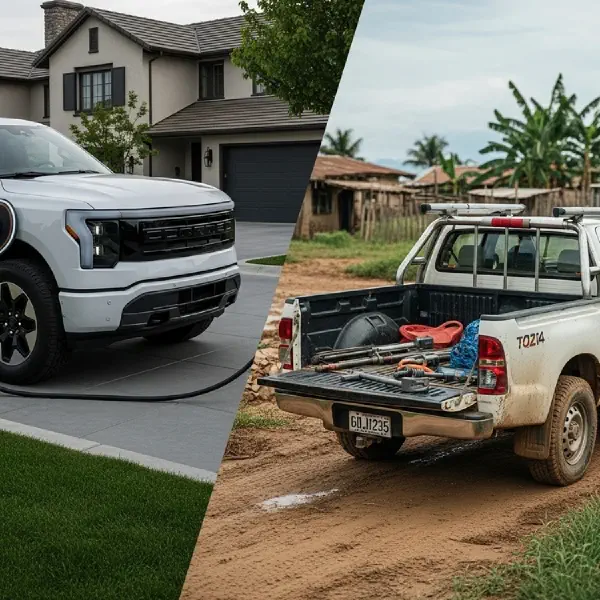
- Modern pickups represent a paradox: vehicles classified as commercial equipment but sold as personal luxury items, with high profits masking significant societal externalities like road damage and pedestrian safety risks.
- Electrification is extending the paradox, with electric pickups maintaining the oversized, powerful ethos rather than embracing efficiency, perpetuating the cycle of policy-driven evolution.
References#
- Bratt, C. (2018). The Chicken Tax: A Strange Case of Protectionism. The International Trade Journal, 32(3), 279-295.
- Levin, D. P. (2019, August 15). The $50,000 Pickup Truck: How Detroit Is Betting Its Future on Luxury Haulers. The Wall Street Journal.
- National Highway Traffic Safety Administration. (2022). CAFE Standards for Model Years 2024-2026. U.S. Department of Transportation.
- Insurance Institute for Highway Safety. (2023, February). Pickup trucks, SUVs pose growing risk to pedestrians. Status Report, 58(2).
- Davis, S. C., & Boundy, R. G. (2023). Transportation Energy Data Book: Edition 41. Oak Ridge National Laboratory.
- Platchkov, L. M., & Pollitt, M. G. (2011). The Economics of Electric Vehicles. The Energy Journal, 32(4), 1-28.
- Gibbs, N. (2021, May 20). The Ridiculously Profitable, All-American Pickup Truck. Bloomberg Businessweek.
- American Society of Civil Engineers. (2021). Infrastructure Report Card: Roads. ASCE.
- International Council on Clean Transportation. (2020). Effects of the United States’ Chicken Tax on the light-duty vehicle market.
- Ford Motor Company. (2023). Annual Report 2022 (Form 10-K). United States Securities and Exchange Commission.