The Lease Lifecycle: How Financial Engineering Invented the 3-Year Car
Key Insights#
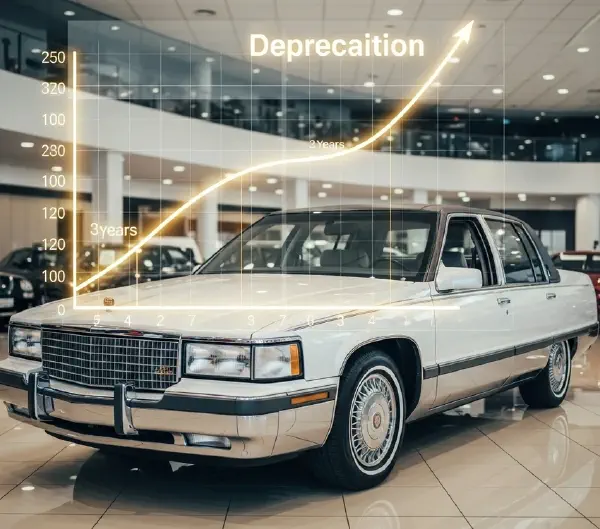
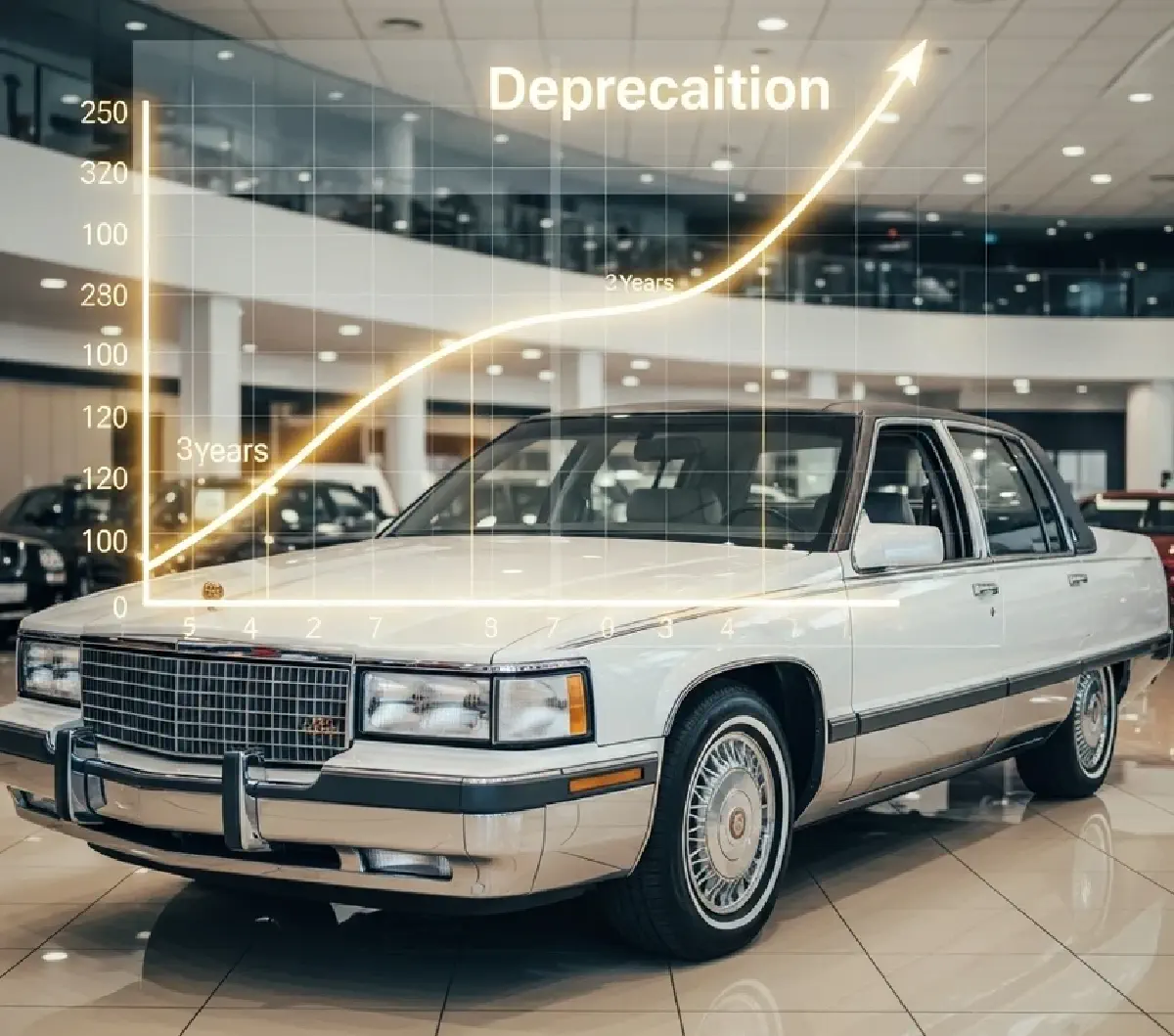
- Automotive leasing emerged in the 1990s as a financial innovation that shifted the industry from selling durable goods to managing predictable depreciation cycles, creating a 36-month lifecycle that optimized for short-term profits over long-term ownership.
- The residual value system allows automakers to artificially inflate lease affordability by forecasting future resale values, creating a subsidy from captive finance arms to sales divisions and enabling access to luxury vehicles for mainstream consumers.
- Leasing has engineered a psychological shift from ownership pride to upgrade cycles, conditioning consumers to view mobility as a monthly subscription rather than an asset-building exercise, while creating systemic fragility through dependence on predictable return waves.
- The model generates significant externalities, including accelerated vehicle depreciation, increased material throughput, and environmental costs from frequent manufacturing, while concentrating power in captive finance arms that influence policy and consumer protection.
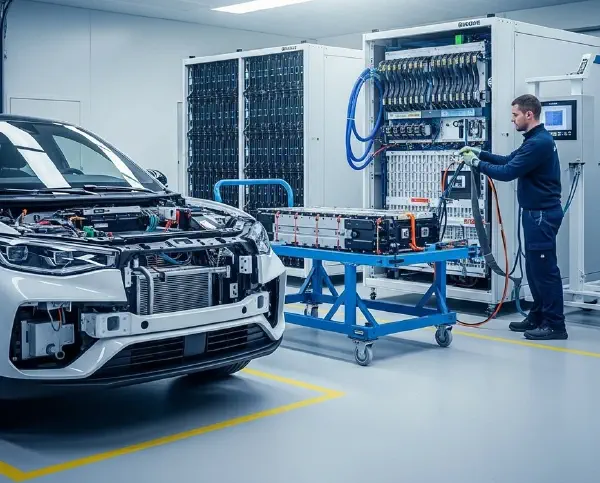
- Electric vehicles challenge the leasing paradigm with volatile residual values and battery ownership issues, potentially enabling circular economies for battery packs but requiring fundamental adaptations to the 36-month machine.
References#
- Johnson, M. D. (2005). The Evolution of the Automotive Lease and its Impact on New Vehicle Sales. Journal of Retailing and Consumer Services, 12(2), 139-150.
- National Automobile Dealers Association. (2023). NADA Data: Annual Financial Profile of America’s Franchised New-Car Dealerships.
- International Council on Clean Transportation. (2021). Effects of Vehicle Leasing on the Environmental Performance of the Light-Duty Fleet.
- General Motors Financial. (2022). Annual Report (Form 10-K). United States Securities and Exchange Commission.
- Bank of America Merrill Lynch. (2020). Global Automotive Primer: The ABCs of EVs, AVs, and Shared Mobility.
- Ellen MacArthur Foundation. (2019). The Circular Economy Opportunity for Urban & Industrial Innovation in the Car Industry.
- Consumer Financial Protection Bureau. (2017). Consumer Voices on Automobile Financing.
- Cox Automotive. (2023). Manheim Used Vehicle Value Index.
- Platchkov, L. M., & Pollitt, M. G. (2011). The Economics of Electric Vehicles. The Energy Journal, 32(4).
- Alliance for Automotive Innovation. (2022). Auto Innovators: Trends in Automotive Finance.