
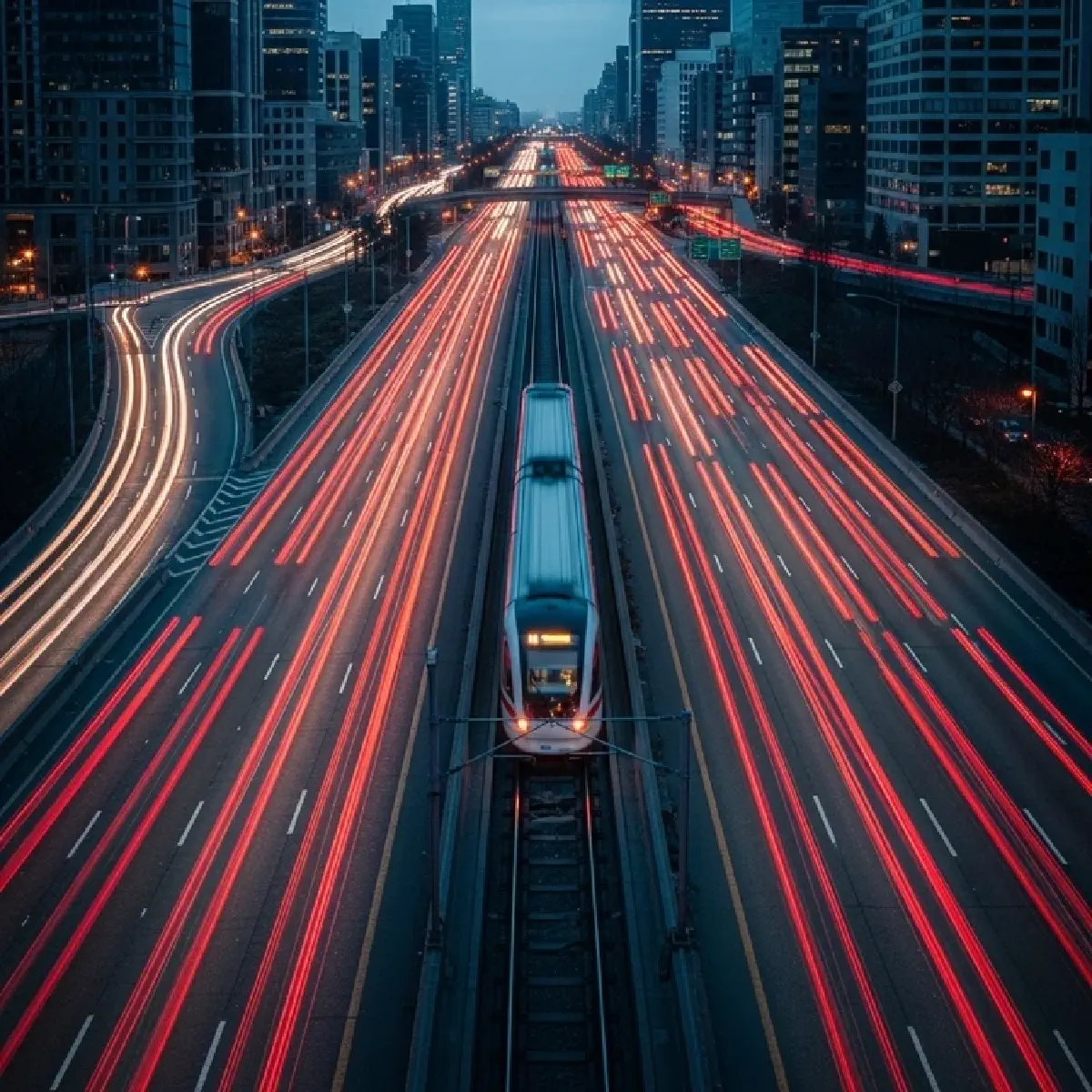
The triumph of the automobile-transit complex created a system of profound path dependence. Cities spread out, driven by cheap land and new highways. The low-density, single-use suburban model that resulted—residential subdivisions separated from shopping and jobs—was inherently hostile to efficient public transit. It is geometrically and economically impossible to provide frequent, convenient bus or rail service to a dispersed population.
This created a vicious cycle of auto-dependency. More sprawl required more roads. More roads enabled further sprawl. Each turn of the cycle degraded the potential viability of transit, increased per-capita infrastructure costs for sewer and water lines, and locked millions of households into a lifestyle requiring multiple cars and thousands of dollars in annual transportation costs. The initial policy choice—to fund only roads—had engineered a landscape that made any alternative seem impractical, even absurd.
The externalities of this system were massive and displaced. Air pollution from tailpipes became a public health crisis. Traffic fatalities soared, accepted as the “price of progress.” The social costs of isolation for non-drivers—the elderly, the young, the poor—were borne privately. The environmental and national security costs of oil dependence were socialized and deferred. The gasoline tax pact had built a civilization with a hidden, ballooning balance sheet of negative consequences.
The Hollowing Out and the Resilience Deficit#
The systemic fragility of this arrangement became glaringly apparent over time. Cities that lost their transit spines saw their urban cores hollow out, as wealth and commerce fled to highway-accessible suburbs. This eroded the municipal tax base at the very moment the city was left with aging infrastructure and a higher concentration of poverty. The resulting fiscal crises in cities like New York, Cleveland, and St. Louis in the 1970s were not merely economic downturns; they were the direct consequences of a structured disinvestment in multi-modal urbanity.
This auto-dependent system also proved brittle in the face of shocks. The 1973 OPEC oil embargo created gas lines and economic panic, exposing the vulnerability of a nation tied to a single fuel for mobility. Decades later, Hurricane Katrina demonstrated the catastrophic failure of a car-dependent evacuation plan, as thousands were stranded without a functioning transit system. Each crisis highlighted the resilience deficit built into a transportation monoculture.
The Modern Paradox and the Electric Reckoning#
Today, the gasoline tax pact is failing on its own terms. The rise of fuel-efficient and electric vehicles is steadily eroding the per-gallon tax base, creating a funding crisis for the very roads the pact was meant to sustain. Attempts to shift to mileage-based user fees face political and technical hurdles. The system is eating itself.
Simultaneously, there is a costly, belated attempt to rebuild the transit infrastructure that was destroyed. Cities are spending billions to dig subway tunnels and lay light-rail tracks—often along the exact corridors where efficient streetcars once ran. This is not innovation; it is catastrophically expensive remediation for a past strategic error. The public is now paying once to dismantle a system and again, at vastly higher cost, to rebuild a facsimile of it.
The transition to electric vehicles poses a final, ironic twist. It is framed as a clean break from the past. But without a concurrent restructuring of the funding model and urban form, it risks perpetuating the same path-dependent system—congestion, sprawl, resource intensity, and social inequity—merely swapping the energy source. An electric car in a traffic jam is still a symptom of a dysfunctional mobility system.
Conclusion: The Pact’s Legacy#
The story of the gasoline tax and the streetcar is a foundational case in Lifecycle Economics & Industrial Power. It demonstrates how a dedicated funding mechanism, coupled with corporate consolidation, can dictate technological winners and losers, not through merit, but through financial and political engineering.
The displaced externalities—environmental, social, and economic—have accumulated for a century. The systemic fragility and path dependence are now baked into our cities and lifestyles, resistant to change. The pact created more than a network of roads; it created a nation whose identity, economy, and daily rhythms are inseparable from the automobile. Understanding this history is not about nostalgia for streetcars, but about recognizing the power of policy to shape worlds, and the staggering cost of closing off alternatives. The road we took was not the only one possible, but the pact ensured it became the only one we can see.