The Cost of Motion: The Hidden Economics of Automobility
Key Insights Across the Series#
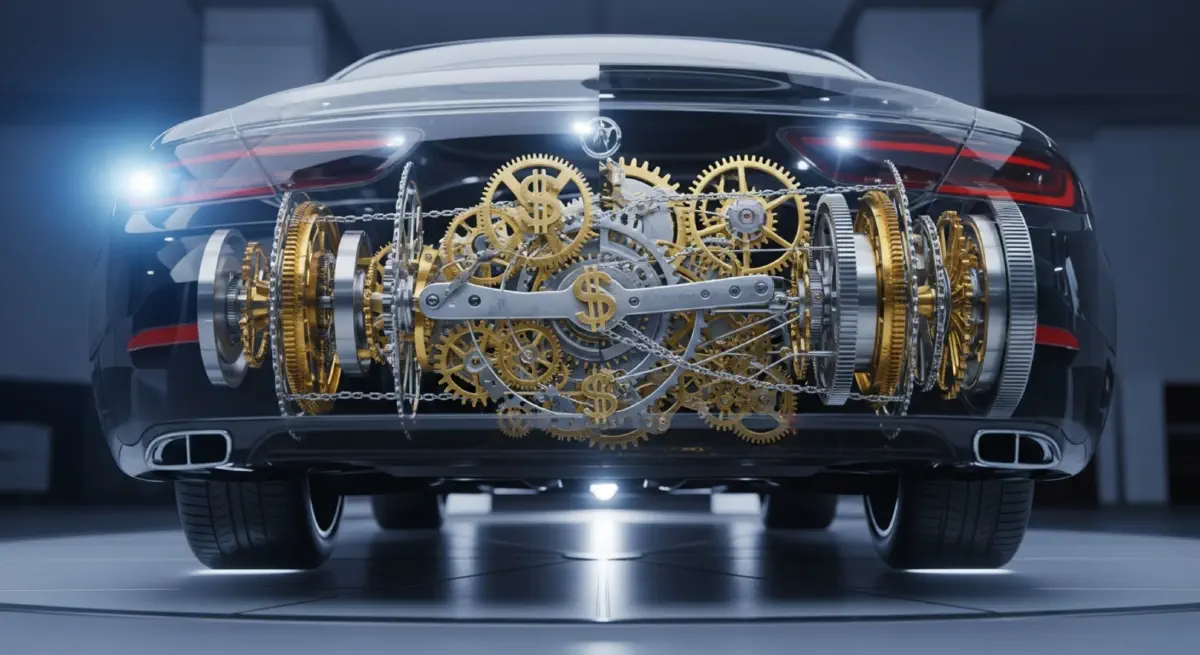
- Ownership is a Financial Relationship, Not an Asset Transfer: The purchase of a new vehicle is the initiation of a decades-long revenue extraction stream for manufacturers, spanning financing, controlled depreciation, and monopoly repair. The sticker price is a strategic entry fee, not the total cost.
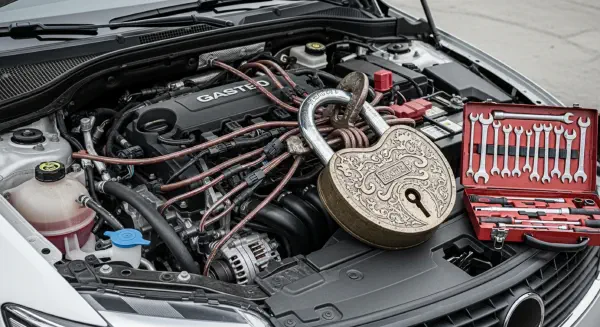
- The Repair Market is a Battleground for Control, Not Convenience: Modern vehicles are designed with digital locks (software, parts pairing, data hoarding) that systematically dismantle independent repair. This is a deliberate strategy to monopolize the high-margin aftermarket and lock in customers, inflating the lifetime cost of ownership.
- Vehicle Longevity is Economically Suppressed: A powerful “Obsolescence Machine”—fueled by cultural marketing, lease-centered finance, and policy mandates—actively shortens the economic and functional lifespan of vehicles to drive perpetual turnover. This churn is central to the industry’s growth model.
- Policy is a Primary Driver of Obsolescence: Environmental and safety regulations, while delivering public benefits, are applied almost exclusively to new vehicles. This deliberately devalues the existing fleet, creating regulated obsolescence that forces scrapage and new purchases, a dynamic supercharged by the ICE-to-EV transition.
- The System Optimizes for Corporate Cash Flow, Not Consumer Equity or Systemic Resilience: The entire economic architecture is designed to generate predictable, recurring revenue and manage risk for manufacturers and financiers. It externalizes costs (debt risk, waste disposal, repair deserts) onto consumers and society, creating a fragile, dependency-rich system vulnerable to credit, supply, and regulatory shocks.
References#
- National Automobile Dealers Association. (2023). NADA Data: Annual financial profile of America’s franchised new-car dealerships. NADA.
- Auto Care Association. (2023). The Economic Impact of the Automotive Aftermarket Industry. Auto Care Association.
- U.S. PIRG Education Fund. (2022). Fighting for the Right to Repair: A Survey of Advocacy and Legislation. U.S. PIRG.
- European Environment Agency. (2022). End-of-life vehicles: A technical report on the management of ELVs in Europe. EEA Report No 12/2022.
- Slade, G. (2006). Made to Break: Technology and Obsolescence in America. Harvard University Press.