Beyond the Tailpipe: Unmasking the EV Revolution
Key Insights#
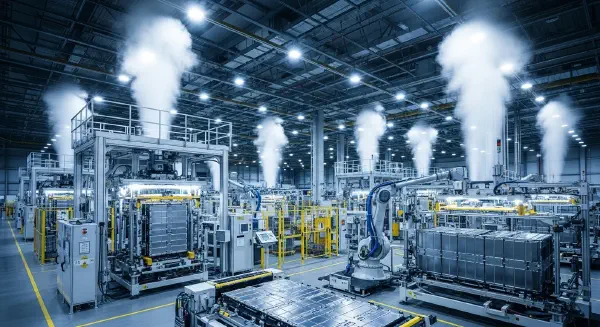
- EV production has higher environmental impact than ICE vehicles
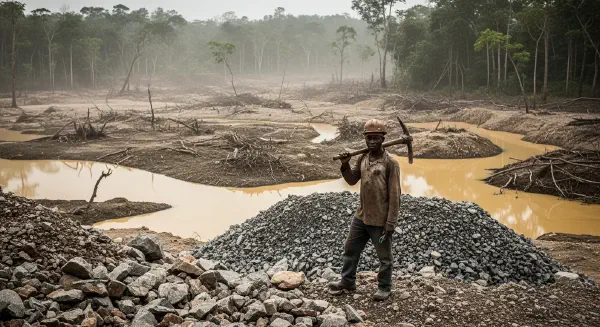
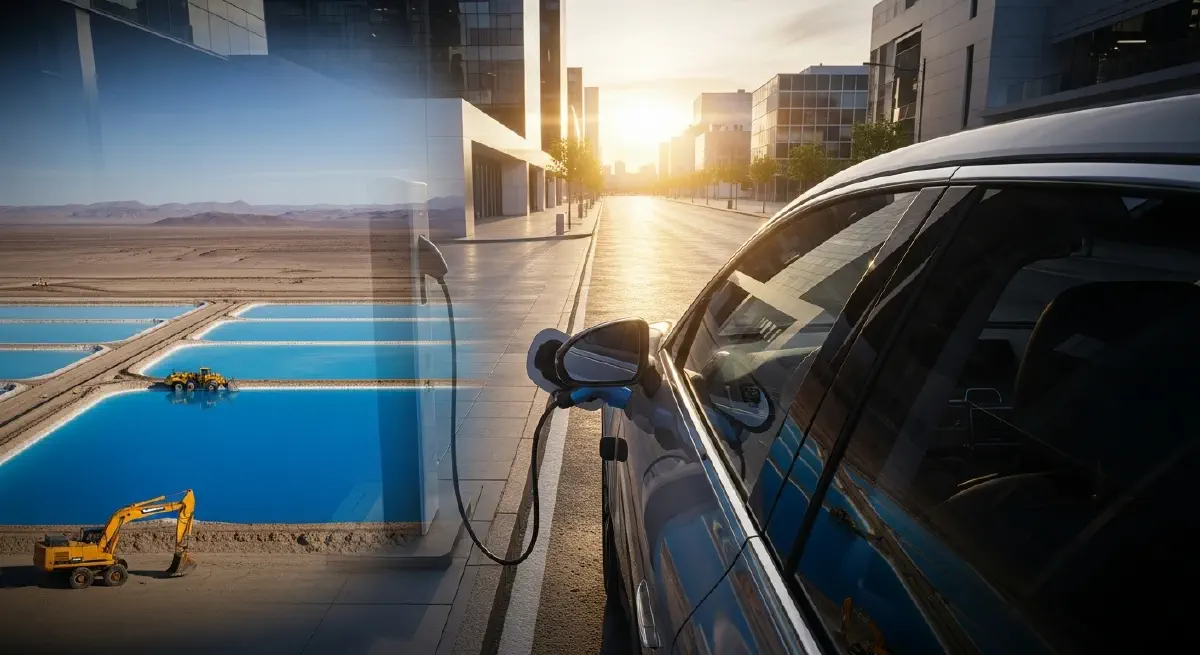
- Critical minerals for batteries come with significant ethical and environmental costs
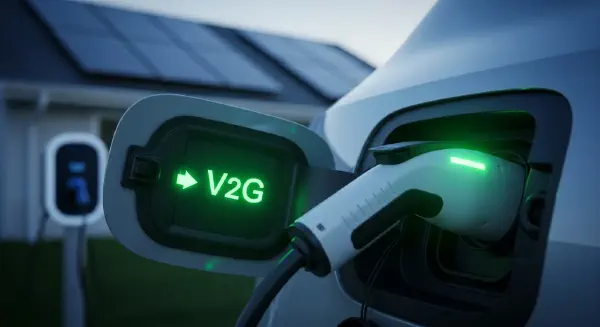
- Infrastructure demands create new challenges
- Public transit may offer better climate solutions than individual EV ownership
- Technological improvements could address current limitations
References#
- Hawkins, T. R., et al. (2012). Comparative environmental life cycle assessment of conventional and electric vehicles. Journal of Industrial Ecology, 17(1), 53-64.
- Notter, D. A., et al. (2010). Contribution of Li-ion batteries to the environmental impact of electric vehicles. Environmental Science & Technology, 44(17), 6550-6556.
- Olivetti, E. A., et al. (2017). Lithium-ion battery supply chain considerations: Analysis of potential bottlenecks in critical metals. Joule, 1(2), 229-243.
- Dunn, J. B., et al. (2015). The significance of Li-ion batteries in electric vehicle life-cycle energy and emissions and recycling’s role in its reduction. Energy & Environmental Science, 8(1), 158-168.
- Ellingsen, L. A., et al. (2014). Life cycle assessment of a lithium-ion battery vehicle pack. Journal of Industrial Ecology, 18(1), 113-124.