The Balance Sheet of Motion: Energy, Emissions, and the Uncounted Costs
Key Insights Across the Series#
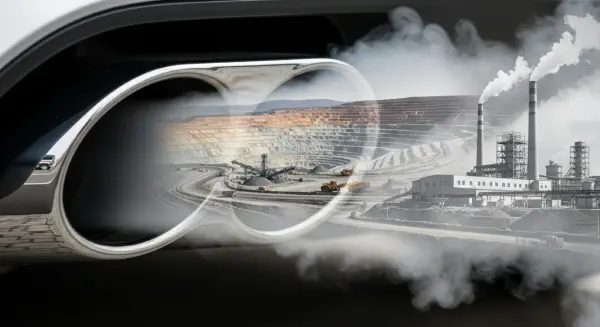
- The Tailpipe is a Deliberate Analytical Blind Spot: A century of focus on tailpipe emissions has created a powerful incentive to displace environmental burdens to earlier (mining, manufacturing) and later (disposal) lifecycle phases. True accounting requires mandatory cradle-to-grave analysis.
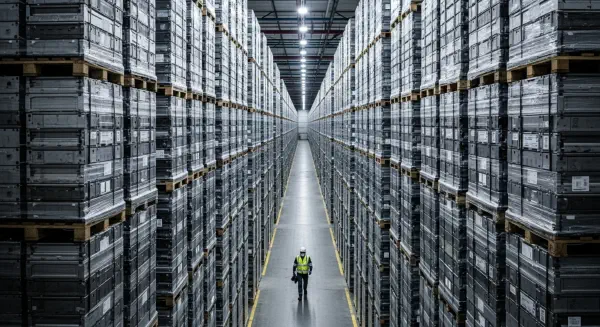
- The EV Battery is a Carbon Debt Instrument: The electric vehicle’s climate benefit is not guaranteed; it is a variable function of the carbon intensity of its battery production. This “upfront debt” can range from modest to massive, making the greening of gigafactories as critical as the greening of the electrical grid.
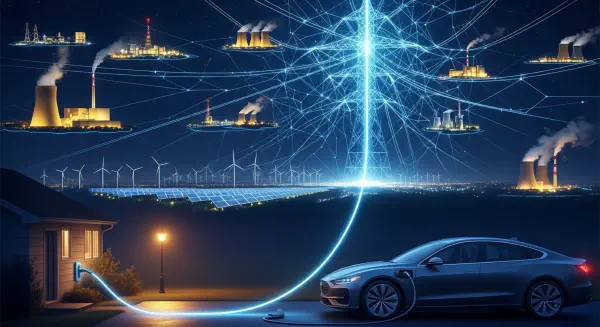
- An EV’s Cleanliness is a Real-Time Function of the Grid: The “zero-emission” claim is a contingent promise, dependent on the electricity source. The critical metric is marginal emissions, not average grid mix, making when and where you charge decisive for the vehicle’s lifetime ledger.
- Systemic Risks Are the Unaccounted Columns of the Ledger: Traditional lifecycle assessment fails to capture geopolitical supply chain concentration, future recycling liabilities, and the fragility of hyper-optimized global systems. These “unaccountables” represent the largest potential threats to a sustainable transition.
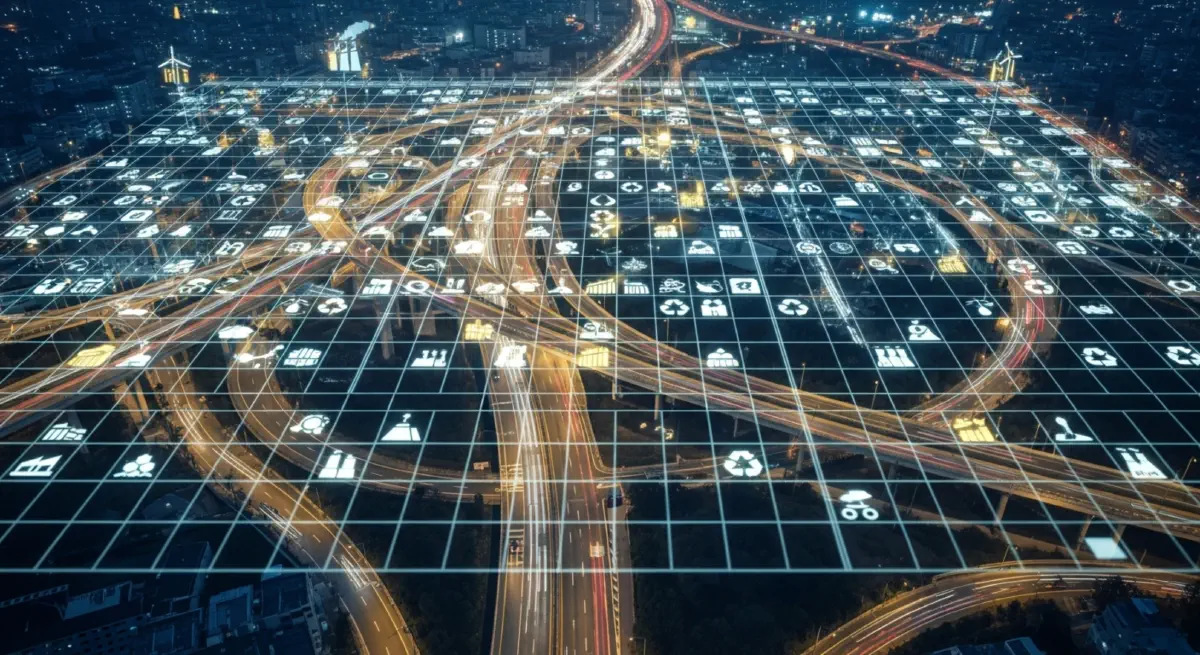
- Sustainability is a Property of Systems, Not Products: No vehicle can be “sustainable” in isolation. Its impact is an emergent property of interconnected systems for energy, materials, and manufacturing. Therefore, effective policy must target these systemic nodes (grid decarbonization, circular supply chains, diversified mineral sources) rather than just subsidizing end products.
References#
- International Council on Clean Transportation. (2023). Effects of battery manufacturing on electric vehicle life-cycle greenhouse gas emissions. ICCT Briefing.
- Cicala, S. (2020). The Unintended Consequences of “Clean” Energy Mandates. National Bureau of Economic Research Working Paper No. 28055.
- University of California, Berkeley, Goldman School of Public Policy. (2020). 2035 Report: Plummeting costs and dramatic improvements in batteries can accelerate our clean transportation future.
- International Energy Agency. (2021). The Role of Critical Minerals in Clean Energy Transitions. IEA Publications.
- European Environment Agency. (2022). Electric vehicles from life cycle and circular economy perspectives. EEA Report No 13/2022.