The Automotive Ledger: Accounting for Energy, Emissions, and Illusions

Key Insights Across the Series
#

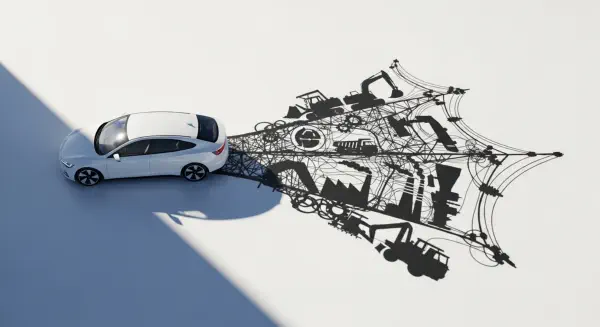
  • The Tailpipe is a Distraction: The singular focus on tailpipe emissions has created a century of optimized illusions, displacing environmental burdens to mining operations, industrial processing, and future waste streams. True accounting requires a cradle-to-grave perspective that captures these hidden chapters.
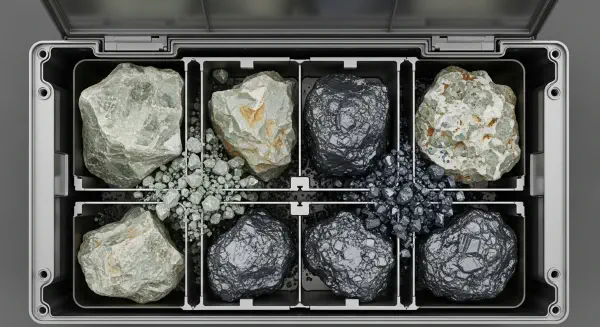
  • The Battery is a Conditional Advantage: The electric vehicle’s climate benefit is not inherent; it is a variable function of its battery’s production energy and material sourcing. A battery made with coal power carries a heavy carbon debt that can negate much of the operational advantage, turning the EV’s promise into a contingent bargain on greening industrial manufacturing.
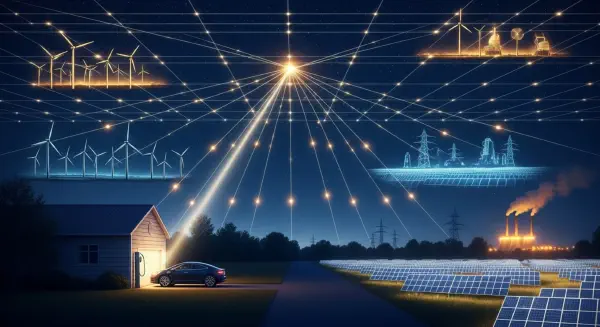
  • Clean Cars Demand a Clean, Smart, and Strong Grid: The EV’s ultimate dependency is on the electrical grid. Its environmental impact is dictated in real-time by the grid’s marginal power source. Mass EV adoption without a concurrent, massive investment in grid modernization, decarbonization, and intelligent management risks overloading infrastructure and locking in fossil-fueled charging, undermining the entire transition.
  • Sustainability is a Systemic Property, Not a Product Feature: The series conclusively demonstrates that an automobile’s environmental impact cannot be judged in isolation. It is an emergent property of a vast, global system encompassing geopolitics, industrial policy, energy markets, and material science. “Sustainable mobility” is therefore a challenge of system redesign, not merely vehicle engineering.
  • Every Optimization Creates a New Displacement: From aluminum light-weighting shifting pollution to smelting centers, to high-nickel batteries trading cobalt concerns for carbon-intensive refining, the pursuit of one environmental metric (e.g., efficiency, range, cost) invariably shifts burdens elsewhere. Honest accounting must vigilantly trace these displacements to avoid solving one problem by amplifying another.

References
#

  1. International Energy Agency. (2023). Global EV Outlook 2023. IEA Publications.
  2. International Council on Clean Transportation. (2021). Effects of battery manufacturing on electric vehicle life-cycle greenhouse gas emissions. ICCT Briefing.
  3. Cicala, S. (2020). The Unintended Consequences of “Clean” Energy Mandates. National Bureau of Economic Research Working Paper No. 28055.
  4. University of California, Berkeley, Goldman School of Public Policy. (2020). 2035 Report: Plummeting costs and dramatic improvements in batteries can accelerate our clean transportation future.
  5. International Energy Agency. (2021). The Role of Critical Minerals in Clean Energy Transitions. IEA Publications.