Beyond the Tailpipe: Unmasking the EV Revolution

Key Insights
#

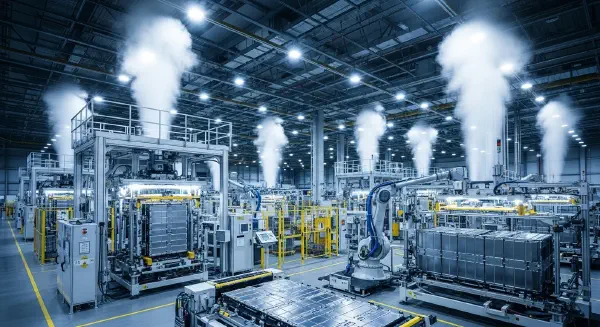
  • EV production has higher environmental impact than ICE vehicles
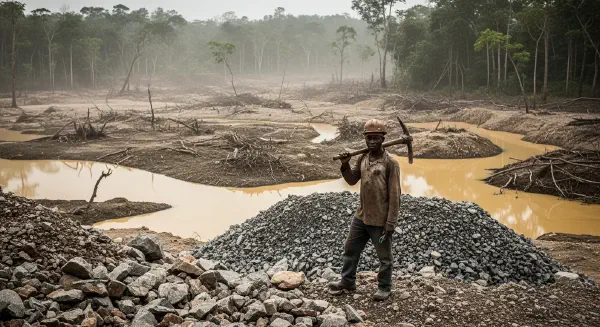
  • Critical minerals for batteries come with significant ethical and environmental costs
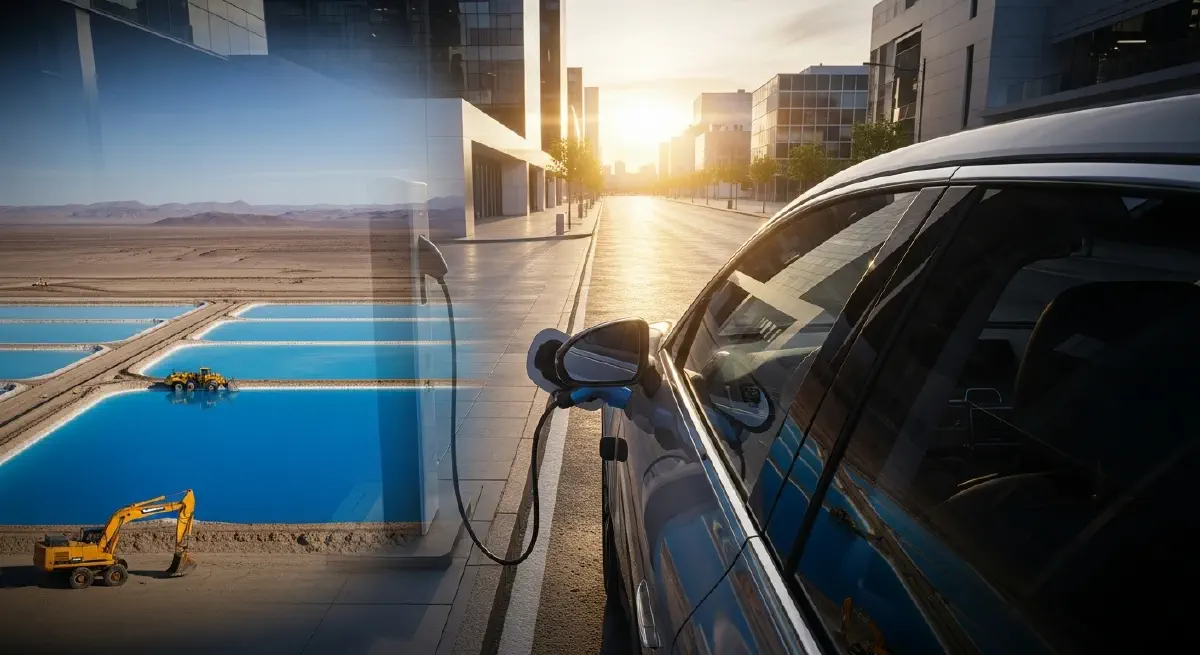
  • Infrastructure demands create new challenges
  • Public transit may offer better climate solutions than individual EV ownership
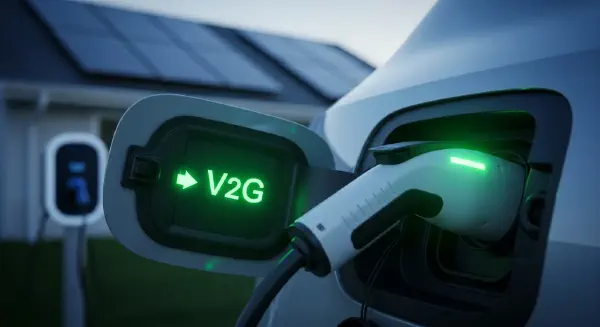
  • Technological improvements could address current limitations

References
#

  1. Hawkins, T. R., et al. (2012). Comparative environmental life cycle assessment of conventional and electric vehicles. Journal of Industrial Ecology, 17(1), 53-64.
  2. Notter, D. A., et al. (2010). Contribution of Li-ion batteries to the environmental impact of electric vehicles. Environmental Science & Technology, 44(17), 6550-6556.
  3. Olivetti, E. A., et al. (2017). Lithium-ion battery supply chain considerations: Analysis of potential bottlenecks in critical metals. Joule, 1(2), 229-243.
  4. Dunn, J. B., et al. (2015). The significance of Li-ion batteries in electric vehicle life-cycle energy and emissions and recycling's role in its reduction. Energy & Environmental Science, 8(1), 158-168.
  5. Ellingsen, L. A., et al. (2014). Life cycle assessment of a lithium-ion battery vehicle pack. Journal of Industrial Ecology, 18(1), 113-124.

Beyond the Tailpipe: Unmasking the EV Revolution - Part 2: From Congo to Charger: Who Really Pays the Price for Clean Driving?

Investigate the human and environmental toll of mining critical minerals for electric vehicles, exposing how clean driving shifts burdens to vulnerable communities in the Global South.

Beyond the Tailpipe: Unmasking the EV Revolution - Part 1: The Electric Lie? Unpacking the Hidden Carbon Cost of Manufacturing Your EV Battery

Examine the hidden carbon footprint of electric vehicle battery manufacturing, revealing how production emissions create a substantial environmental debt before EVs ever hit the road.