AutoLifecycle: Automotive Analysis Framework

AutoLifecycle


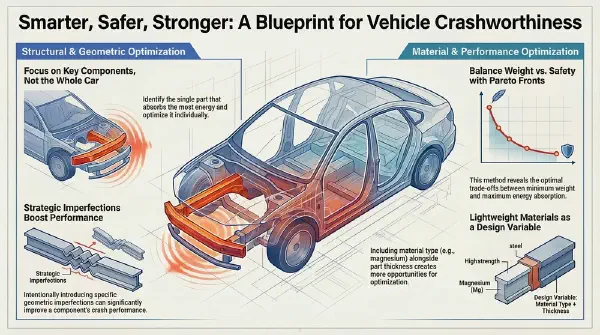
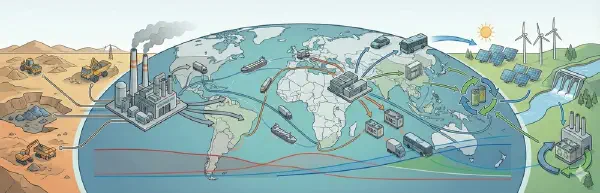
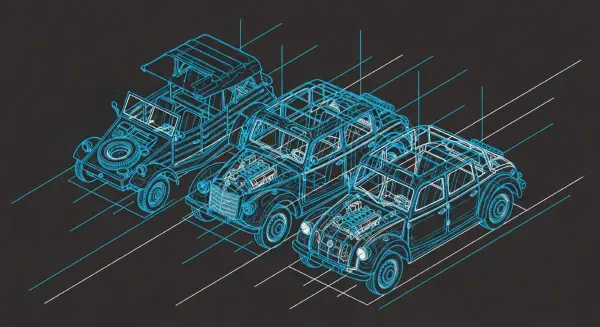
Cars are nodes in a complex web of engineering trade-offs, industrial economics, environmental costs, and human behavior. This category dissects the automotive world through a systems lens, covering vehicle architecture, manufacturing economics, lifecycle emissions, driver behavior, and the cascading consequences of design failure.

Series & Articles
#

The Lion of Nairobi: How the Peugeot 404 Conquered the Developing World

This series traces how Peugeot's 404 sedan evolved from a stylish family car into a symbol of resilience and reliability across Africa, Asia, and South America, exploring its engineering innovations, rally-proven durability, and enduring legacy in the developing world.

The Powertrain Ledger: A Comparative Audit of Mobility's True Costs

A three-part series conducting rigorous, comparative lifecycle assessments of gasoline, hybrid, battery-electric, and hydrogen fuel cell vehicles, exposing how accounting boundaries shape technological winners and losers.

The Accounting Wars: How Rules Shape Reality

A three-part forensic series exposing how lifecycle assessment is not neutral science but a contested political arena, where methodological choices determine winners, hide impacts, and shape trillion-dollar transitions.

The Leapfrog Doctrine: China’s Automotive Rise from Industrial Policy to Global Dominance

This series traces how China transformed its auto industry from a fragmented, state-run sector into a global powerhouse through a 70-year campaign of deliberate industrial policy, strategic maneuvering, and technological leapfrogging, ultimately positioning itself as the world's dominant force in both production volume and the new energy transition.

The Lada Paradox: How a 'Terrible' Car Became One of History's Greatest Success Stories

The Lada was mocked in the West yet beloved by millions. Discover how a car built from 1960s Fiat designs became the world's third best-selling platform, and why its story mirrors Russia's fraught relationship with the West.

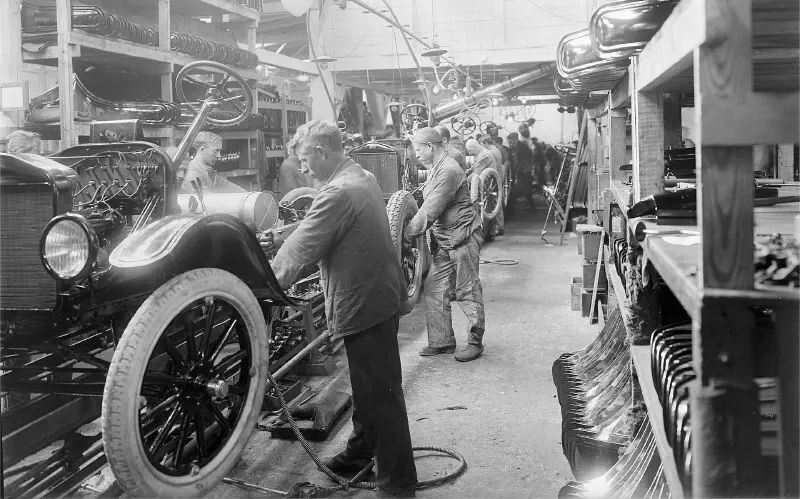
The Line That Changed the World: Unpacking the Ford Model T's Century of Influence

This series traces how the Ford Model T's moving assembly line reshaped not just the automotive industry but the very structure of modern industrial society, exploring its economic logic, social consequences, and technological legacy across 100 years of evolution.

The Pickup Paradox: From Farm Implement to Luxury Financial Instrument

This series traces how the American pickup truck evolved from a protected farm tool into a global luxury financial instrument, reshaping industries, economies, and societies through policy, psychology, and profit.

The Right to Repair War: Who Owns the Machine?

An exploration of the right to repair movement, examining how manufacturers use software locks and proprietary designs to control product lifecycles, from tractors to smartphones, and the battle for ownership rights.

The Rare Earth Gambit

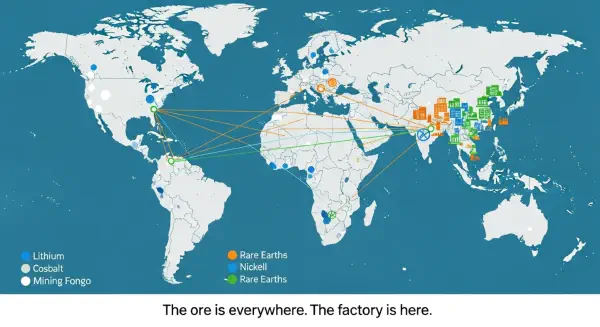
A four-part forensic series introducing the Processing Concentration Index (PCI) to reveal that the critical mineral supply chain's true vulnerability sits in the processing layer — a chokepoint three times more concentrated than mining, and one that current mineral security policy was designed not to measure.
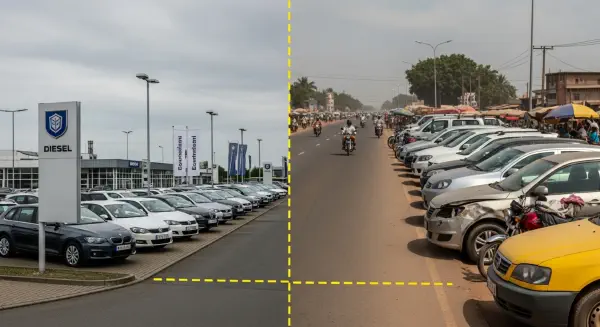
The Scrappage Circuit: End-of-Life Vehicle Flows and the Global Aftermarket

A four-part forensic series introducing the Scrappage Displacement Ratio to demonstrate that government vehicle scrappage programmes produce net global emission increases when the vehicles they retire are not destroyed but exported — displacing the remaining emissions and safety failures southward along established arbitrage trade routes.

The Labor Displacement

A three-part forensic series introducing the Displacement-Adjusted Job Count (DAJC) metric to demonstrate that EV transition investment announcements systematically overcount job creation by excluding the drivetrain supply chain displacement they create.

The Battery Balance Sheet: A Lifecycle Audit of EV's Central Promise

A four-part forensic series introducing the Battery Break-Even Mileage metric and applying it to expose the grid-dependent, chemistry-dependent, and degradation-adjusted arithmetic that point-of-sale EV claims systematically omit.

The Insurance Architecture: How Mandatory Premiums Became Automotive's Most Regressive Tax

A three-part forensic series introducing the Mobility Premium Burden metric to expose how mandatory auto insurance functions as a regressive mobility tax whose incidence falls heaviest on the populations with the fewest alternatives.

The Asphalt Ledger: Road Infrastructure, Hidden Subsidies, and the Induced Demand Trap

A three-part forensic series introducing the Road Subsidy Multiplier to quantify how every dollar of highway expansion generates more than one dollar in future public obligation — revealing the compound fiscal trap that standard infrastructure cost-benefit analysis is designed not to calculate.

The Socialist Car: How Eastern Bloc Cars Shaped the Cold War

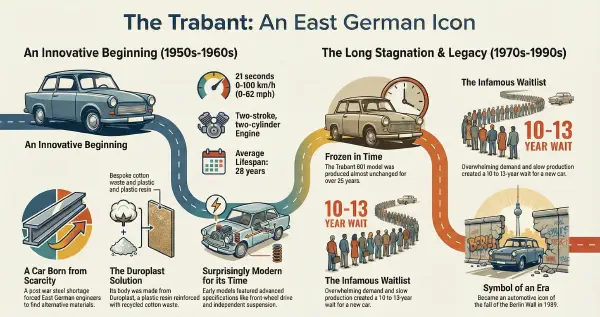
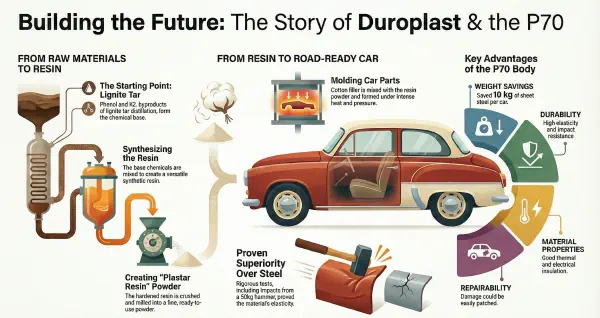
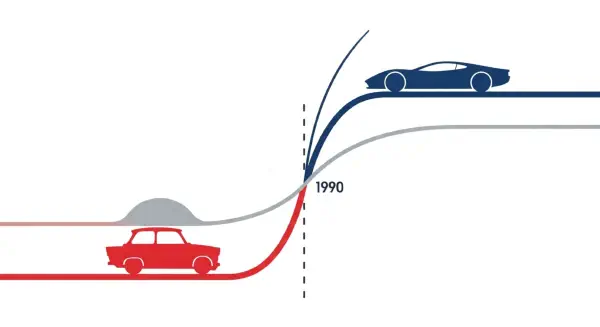
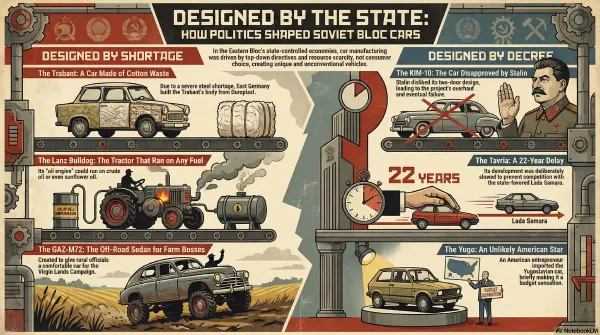
A four-part series examining the political, economic, and cultural dimensions of the Socialist Car—from the plastic bodies of the Trabant to the hierarchical engineering of Soviet vehicles—revealing how the automobile became a contested symbol of ideological competition.

The Particulate Account

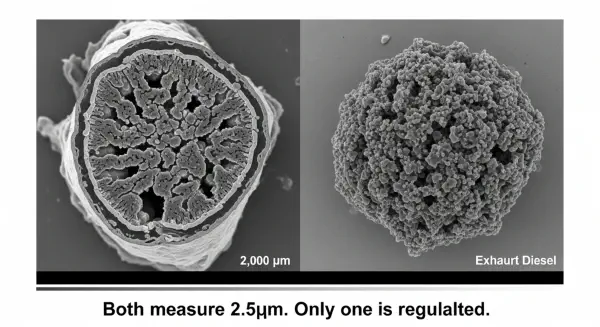
A four-part forensic series applying the Non-Exhaust Particulate Fraction (NEPF) metric to expose the tire, brake, and road abrasion emissions that dominate automotive PM₂.₅ output in both combustion and electric vehicles — entirely outside the regulatory frameworks that defined the transition to clean vehicles.

How to Build an Automotive Industry: Lessons from Malaysia, Mexico, and East Asia

Across the developing world, governments share a common ambition: to build a globally competitive automotive industry. The promise is immense—thousands of high-quality jobs, deep industrial linkages, technological spillovers, and a pathway to high-income status. Yet for every country that has succeeded, many more have failed. Worse, they have failed in ways that are systematic and predictable.

The Gasoline Tax Pact: How America Fueled Cars and Stranded Transit

An exploration of how the gasoline tax created a dedicated funding stream for roads while systematically undermining transit, leading to auto-dependent cities and the Great Streetcar Scandal.

The Unbreakable Tool: Toyota Hilux and the Anatomy of Indifference

This series argues that the Toyota Hilux is the purest real-world expression of the “Unbreakable Tool” archetype. Its legendary status is engineered through a ruthless prioritization of Network Resilience and Cultural Transparency over all else.

The Diesel Reckoning: Europe's Carbon Miscalculation and the Stranded Asset Crisis

A three-part forensic series examining how EU regulatory design, industry lobbying, and a permanently flawed test cycle produced 250 million stranded assets and an unpaid public health invoice of historic scale.

The Red Standard: Why the Routemaster Outlasted the Future

An exploration of how the AEC Routemaster bus, born from aviation technology and designed for London's unique demands, outlasted two generations of modern replacements through innovative engineering, modular maintenance systems, and human-centric design principles.

Beyond Zero Emissions: The Global Resource Footprint and Geopolitical Weight of the EV Battery

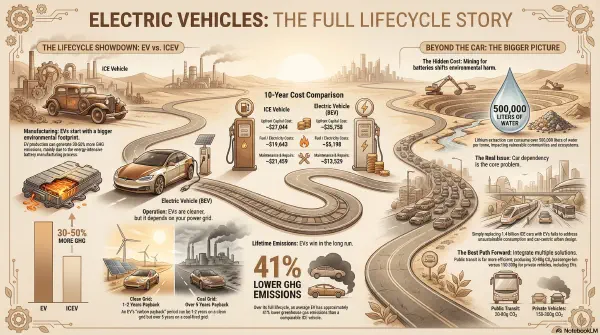
The electric vehicle revolution promises zero tailpipe emissions, but the true environmental cost lies in the global battery supply chain. This analysis reveals how mining, refining, and manufacturing shift carbon burdens to developing economies, and explores strategies for genuinely sustainable electric mobility.